Legendary investor and financial historian Peter Bernstein has provided a crucial distinction between market volatility and true investment risk. According to reports from The Economic Times, Bernstein stated that 'Volatility is often a symptom of risk but is not a risk in and of itself'. He emphasized that volatility obscures the future but does not necessarily determine it, suggesting that temporary market fluctuations should not be confused with permanent market danger. As Bernstein noted, 'Volatility is often a symptom of risk but is not a risk in and of itself. Volatility obscures the future but does not necessarily determine the future'. The quote offers a powerful reminder for investors navigating uncertain and rapidly changing markets, where fear often takes control of decision-making during periods of sharp market swings.
Bernstein's insight becomes particularly relevant during periods of market corrections or global crises, as reported by The Economic Times. The investor noted that 'Volatility shows market ups and downs. True risk comes from weak fundamentals or debt'. This distinction is crucial for investors who may focus solely on short-term market movements and exit positions prematurely during volatile periods. As Bernstein explained, 'Volatility shows market ups and downs. True risk comes from weak fundamentals or debt'. The quote highlights that volatility simply reflects fluctuations in prices, the ups and downs seen in stocks, bonds, commodities, or currencies over short periods. These movements can create anxiety because they make the future appear uncertain, yet uncertainty alone does not guarantee permanent loss or failure.
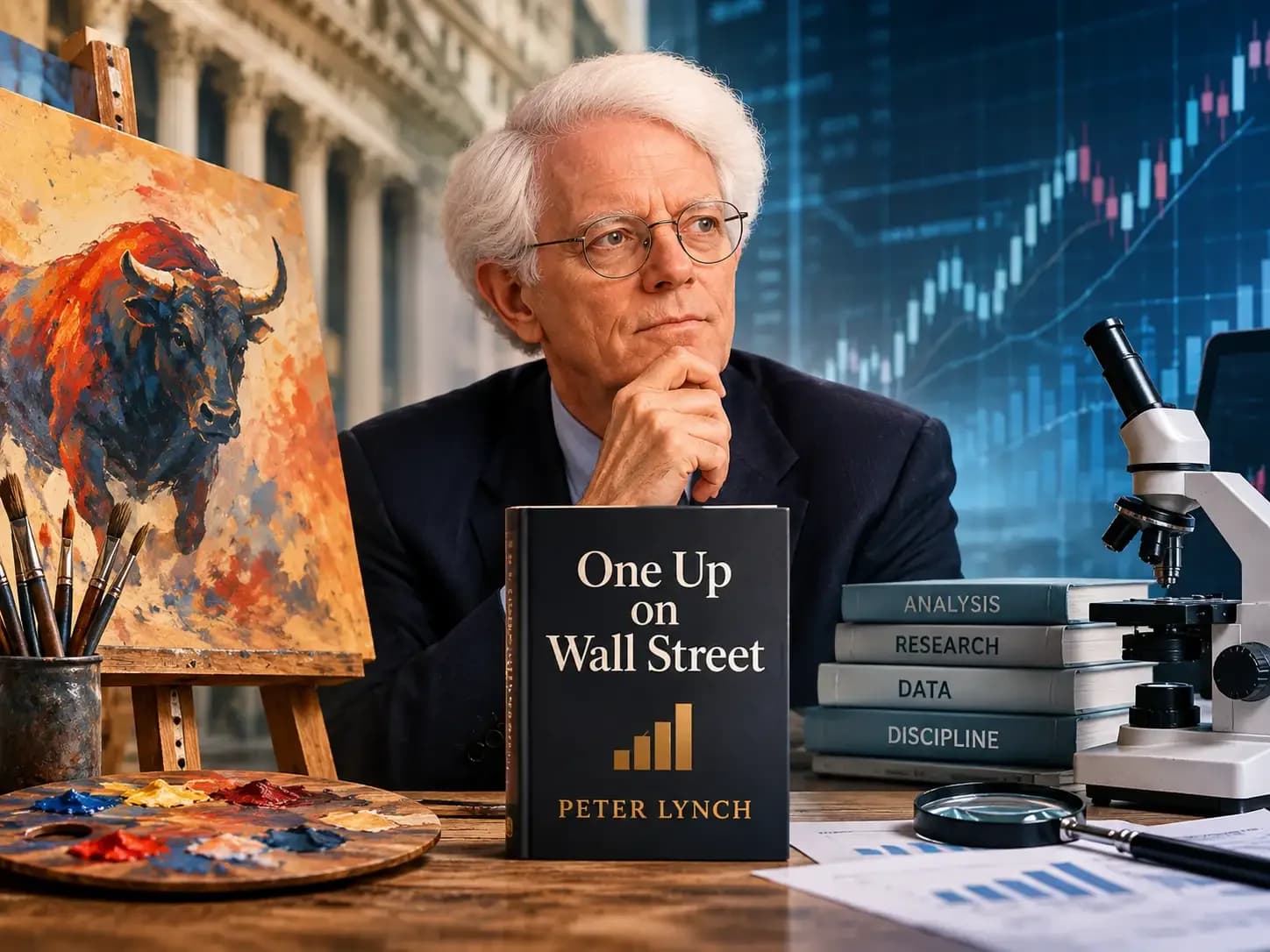
Legendary investor Peter Lynch reinforces Bernstein's philosophy by emphasizing that 'Stocks aren't lottery tickets. Behind every stock is a company'. In an age where stock prices move sharply on headlines, social media trends, and short-term speculation, Lynch's timeless observation remains vital for modern investors. As reported by The Economic Times, buying a stock is not the same as placing a bet at a casino. Every share represents ownership in a real business, one with products, employees, customers, profits, risks, and long-term ambitions. The danger of market excitement is that many investors get caught in the excitement of rapid price movements, with stocks rising quickly creating fear of missing out, while sudden declines may trigger panic selling.
For contemporary investors, both Bernstein and Lynch's philosophies suggest a clear approach to market volatility management. Bernstein emphasized that volatility should encourage analysis, patience, and discipline rather than panic. Successful investing is positioned as less about predicting every market movement and more about understanding value, managing risk carefully, and maintaining emotional balance through uncertain times. Lynch's approach focuses on understanding how a company earns money, whether its business model is sustainable, how strong its management is, and whether it has the potential to grow over time. Investors who study businesses rather than stock tickers are often better positioned to make disciplined decisions during periods of volatility, as businesses with consistent earnings growth, competitive advantages, and strong demand for their products tend to create sustainable wealth over time.