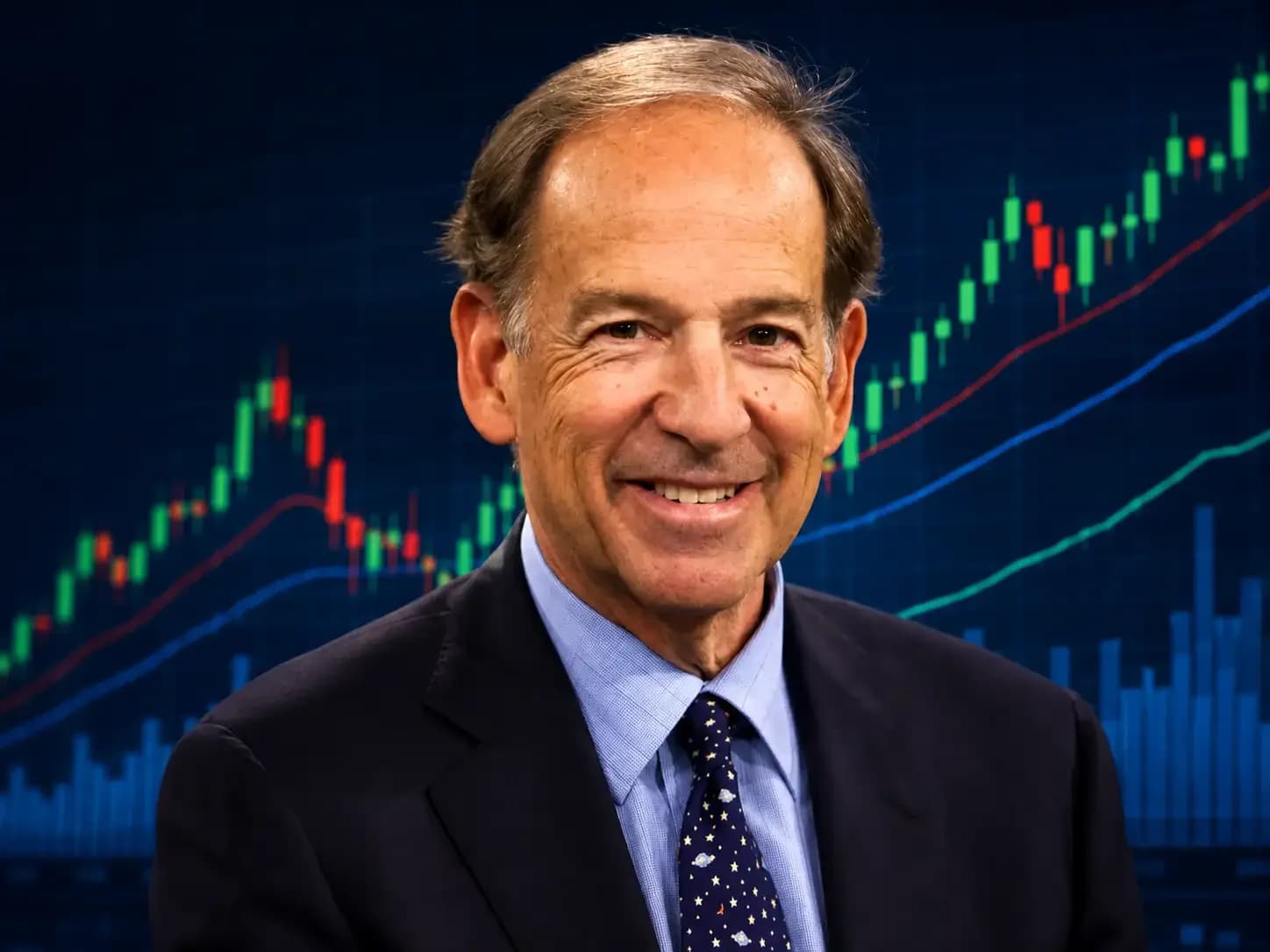
Veteran investor Michael Price observed that Wall Street tends to overreact when it gets worried about earnings, according to reports from The Economic Times. This pattern sees short-term fears trigger sharp selloffs, even when businesses remain fundamentally strong. The quote captures a recurring pattern where short-term fears about corporate profits often trigger sharp selloffs, even when the long-term fundamentals of businesses remain intact. Recent market developments demonstrate this phenomenon, with Indian IT stocks falling up to 2% after the US Federal Reserve kept policy rates unchanged, citing persistent inflation concerns. However, as recent analysis reveals, this overreaction extends beyond individual companies to broader market strategies.
Earnings are one of the biggest drivers of stock market sentiment, as reported by The Economic Times. Whenever companies report weaker-than-expected profits, issue cautious guidance, or signal slowing demand, investors tend to react quickly. In many cases, this fear spreads across sectors, dragging down even fundamentally strong companies. Markets become driven more by emotion and uncertainty than by long-term value during earnings anxiety periods. Higher energy prices and geopolitical tensions in the Middle East, coupled with tariff impacts, are pushing up inflation projections, contributing to broader market downturns. The analysis highlights that treating every dip as an opportunity is less a strategy than a reflex, one that ignores a simple truth: what you own and how much you own matters far more than whether it's down this week.
Michael Price's observation reflects the psychology of investing, where during periods of earnings anxiety, traders often focus excessively on quarterly numbers while ignoring broader business strength, balance sheets, market leadership, or future growth potential. According to The Economic Times, history has repeatedly shown that market overreactions can create opportunities for patient investors. Temporary earnings slowdowns caused by economic cycles, geopolitical tensions, inflation pressures, or higher interest rates do not always change the long-term trajectory of quality companies. Embracing change is the investor's only certainty, as markets are living systems constantly evolving. The recent analysis emphasizes that thoughtful investors do buy dips but selectively, quietly, and with context, rebalancing rather than doubling down, and distinguishing between volatility and impairment.
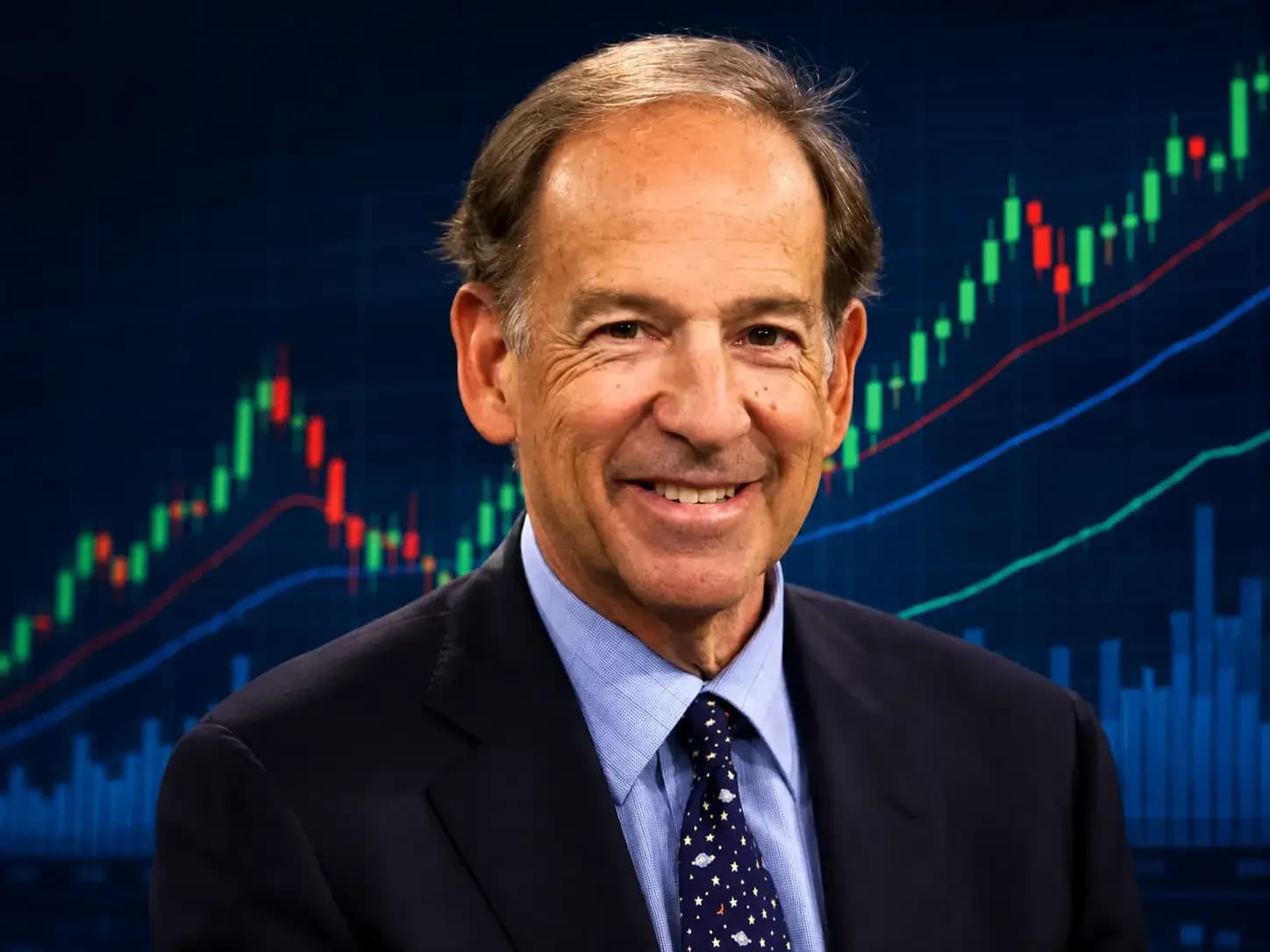
The quote is especially relevant in today's market environment, where investors closely track every earnings announcement from technology giants, banks, retailers, and industrial companies, as reported by The Economic Times. A slight miss in expectations can wipe out billions in market value within hours, while upbeat guidance can spark equally dramatic rallies. The statement highlights the importance of disciplined investing, where successful investors focus on long-term fundamentals rather than reacting emotionally to quarterly fluctuations. Global markets are losing their earlier optimism, with uncertainty persisting regarding geopolitical developments and the reopening of the Strait of Hormuz. Recent market history demonstrates that the modern investor has been trained to respond to all red numbers the same way: with enthusiasm, often missing the distinction between temporary setbacks and fundamental business changes.