The AI infrastructure boom is accelerating faster than anticipated, with hyperscaler AI capital spending raised to $750 billion in 2026, up from $670 billion, and projected to cross $1 trillion in 2027. This surge extends far beyond GPUs to include critical power infrastructure including switchgear, transformers, gas turbines, and prime-power gensets that convert electricity into trained AI models. The Department of Energy projects that data centers will account for up to 12% of U.S. electrical demand by 2028, creating unprecedented demand for industrial equipment manufacturers.
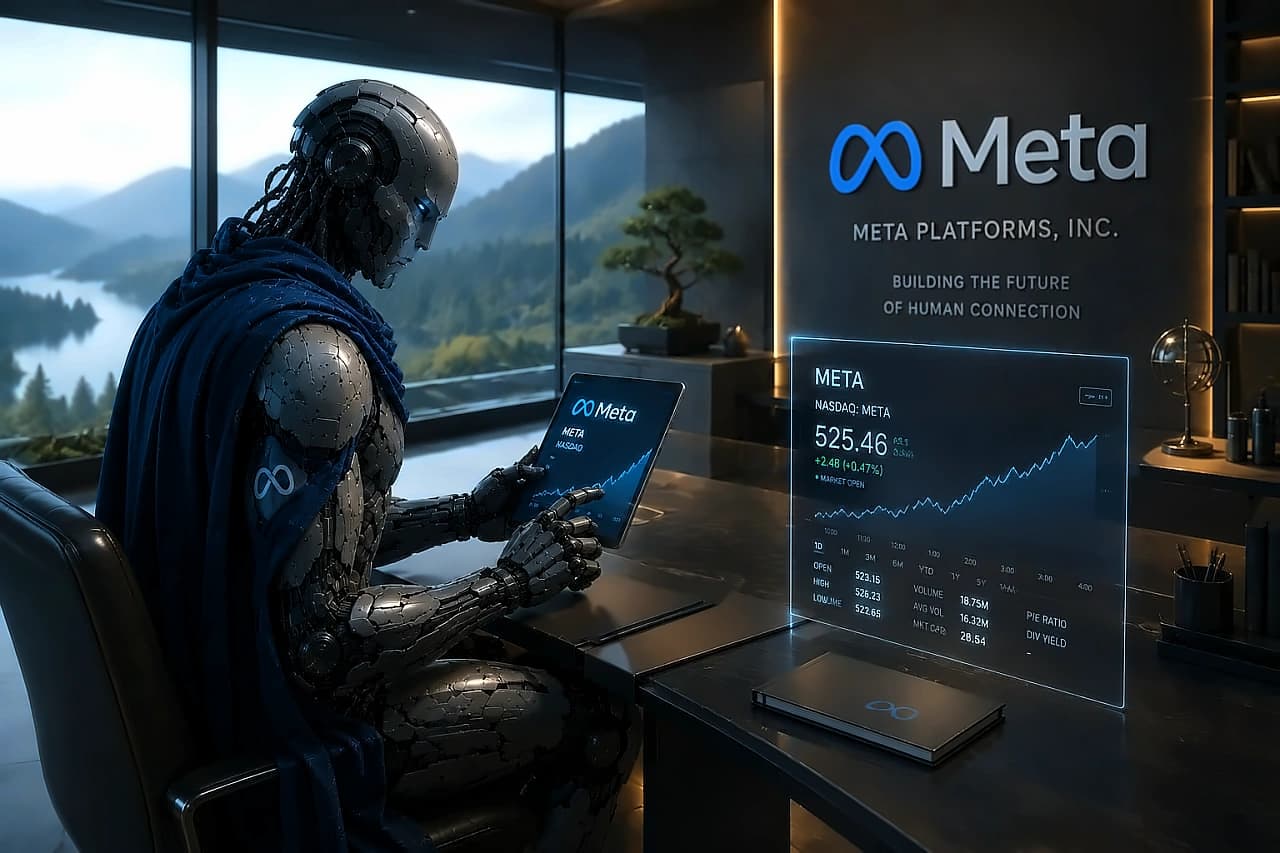
Despite the broader Magnificent Seven tech giants losing investor interest, Meta is now considered the best stock to buy within the group according to market experts. As reported by Mint, Santosh Meena from Swastika Investmart identifies Meta as offering the strongest risk/reward profile with a relatively attractive forward P/E of 17-22x, robust ad revenue growth, rising user engagement via Threads, and clear AI monetization upside. The stock currently trades near $582 after experiencing a sharp pullback from highs near $800 set in summer 2025, with technical support holding near $550.
The performance divergence within the Magnificent Seven has become stark, with the group's index gaining just 1.7% in 2026 while the technology-heavy Nasdaq 100 is up 16% and the S&P 500 has climbed 10%. According to Mint, the correlation between the Mag 7 and Nasdaq 100 has dropped from a near-perfect 0.95 in April to below 0.7, its lowest level since 2017. Within the group, Alphabet has performed well while Microsoft and Meta have struggled, despite their businesses remaining strong, creating significant gaps in investor preferences.
Meta's bull case centers on its AI-driven ad recommendations that compound revenue quarter after quarter, with Advantage+ advertising tools continuing to take market share from competitors. The company's WhatsApp monetization is still in early development stages with enormous growth potential, while new AI products are adding layers to the existing user base. Additionally, reports suggest Meta may commercialize its excess AI compute capacity through a cloud business, which would open an entirely new revenue stream beyond advertising. The stock's forward P/E of 17-22x and strong free cash flow generation for buybacks and dividends support its attractive valuation profile.
The bear case focuses on execution risks on a scale that is hard to ignore. AI capital expenditure has surged to well over $100 billion annually, with Reality Labs continuing to burn cash without a clear profitability timeline. Any slowdown in digital advertising demand or failure to monetize AI products quickly enough could pressure margins and keep the stock rangebound between $550 and $650 for an extended period. The analysis suggests these risks could prevent the stock from breaking out toward the bull case targets, though Meta's diversified revenue streams provide some insulation.
Resistance sits first near $630, the level that capped the most recent relief rally attempt, followed by a heavier ceiling near $680 where multiple rejections have occurred throughout 2026. The $750 level represents the lower end of the bull case target and also serves as a prior high from earlier this year, making it a meaningful technical checkpoint before any run toward $800 or $900 becomes realistic. Support holds near $550, the zone that has absorbed selling pressure multiple times over the past several months. For investors, the sensible approach remains index funds first, individual stocks second, with experts recommending small positions that can weather potential 20-30% declines given the inherent tech volatility.