The Reserve Bank of India's special USD-INR forex swap facility has generated USD 143.596 billion in foreign currency deposits as of August 31, 2026, with FCNR(B) deposits accounting for USD 132.98 billion of the total inflows. This represents a significant achievement, with the inflows more than five times those raised under a similar 2013 scheme. According to The Economic Times, the scheme's closing date was advanced by one month following a strong response from the Indian diaspora. The facility, launched on June 8, 2026, has created substantial liquidity that necessitated costly sterilization by the central bank, though the economic benefits for the nation remain unclear. Latest reports suggest the FCNR(B) scheme could yield around ₹5 trillion notional profit for banks, as reported by SBI Research, highlighting the substantial financial impact of this forex intervention.
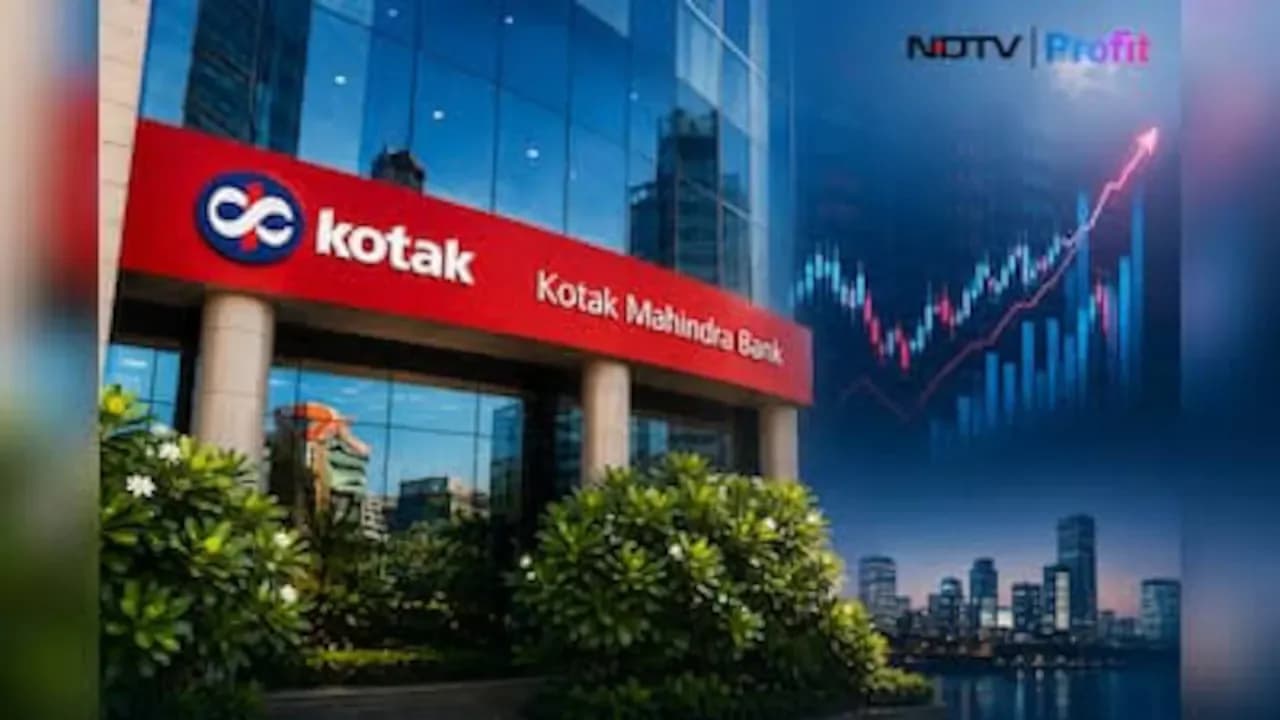
According to Citi reports, FCNR-B inflows are a key catalyst for Kotak Mahindra Bank, with the bank initially using the funds to replace high-cost wholesale deposits and borrowings before deploying surplus liquidity into higher-yielding assets. The brokerage noted that near-term surplus liquidity is being channelled into treasury investments and short-term lending, while the medium-term objective is to redeploy the funds into higher-yielding, longer-duration assets. As reported by Citi, the transition is likely to unfold over the next few quarters as Kotak balances profitability with risk discipline.
As reported by Citi, Kotak's deposit franchise continues to benefit from current account momentum, driven by SME relationships and capital market activity. The bank's digital platform 811 is positioned to capture disproportionate gains from merchant discount rate-linked monetisation, given its outsized share in savings accounts relative to its deposit market share. According to the brokerage, deposit inflows are also being supported by FCNR-B mobilisation, with granular savings account accretion continuing. The positive trend in deposits could enhance balance sheets by USD 190-220 billion, bridging any existing asset-liability gaps and significantly improving funding environment and liquidity levels for Indian banks.
According to Citi, retail lending growth moderated in the first quarter, with Kotak increasing its focus on loan-against-property lending, which continues to scale steadily. The bank has also launched a three-year fixed-rate home loan product as an alternative for borrowers navigating a rising-rate environment. Personal loans are poised for renewed growth, citing a rising quarter-on-quarter disbursement trend and modest tenor elongation, while credit cards also returned to positive growth in the first quarter. Recent market data shows that Kotak Mahindra Bank offers personal loans from 10.99% interest rate with up to ₹1 crore loan amount and up to 6 years tenure.
As reported by Citi, the SME portfolio grew 20% in the first quarter and remains a strategic priority, with about ₹10,000 crore in ECLGS-linked sanctions supporting further growth. The brokerage noted that MFI disbursements and collection efficiency remain on track. The SME segment continues to be a key growth driver for the bank's diversified lending portfolio, with the scheme's closing date advanced by one month following a strong response from the Indian diaspora.
According to Citi, retail and SME portfolios show no signs of deterioration in delinquencies, with personal loan stress having normalised. Only residual stress remains in the legacy retail CV/CE book. The brokerage values Kotak Mahindra Bank shares at ₹465 using a sum-of-the-parts methodology, valuing the banking business at ₹332 using a two-stage Gordon Growth Model. Key risks identified include a sharp downturn in capital markets, significant pressure on asset quality, and slower loan growth due to economic weakness.