Harsha Upadhyaya, President and Chief Investment Officer of Equity at Kotak Mahindra Asset Management Company, has shifted his investment preference toward a balanced mix of mid-caps and large-caps for current market conditions. According to reports from NDTV Profit, this represents a significant change from his previous stance where preference was largely restricted to large-caps. Upadhyaya stated that any portfolio combining large-cap and mid-cap exposure appears to be a reasonable approach at present, as mid-cap valuations have moderated and are now broadly aligned with their 10-year averages. As the Middle East conflict drags on, he noted that earlier, there was limited comfort in extending exposure beyond large-cap companies, but the current environment presents different opportunities.
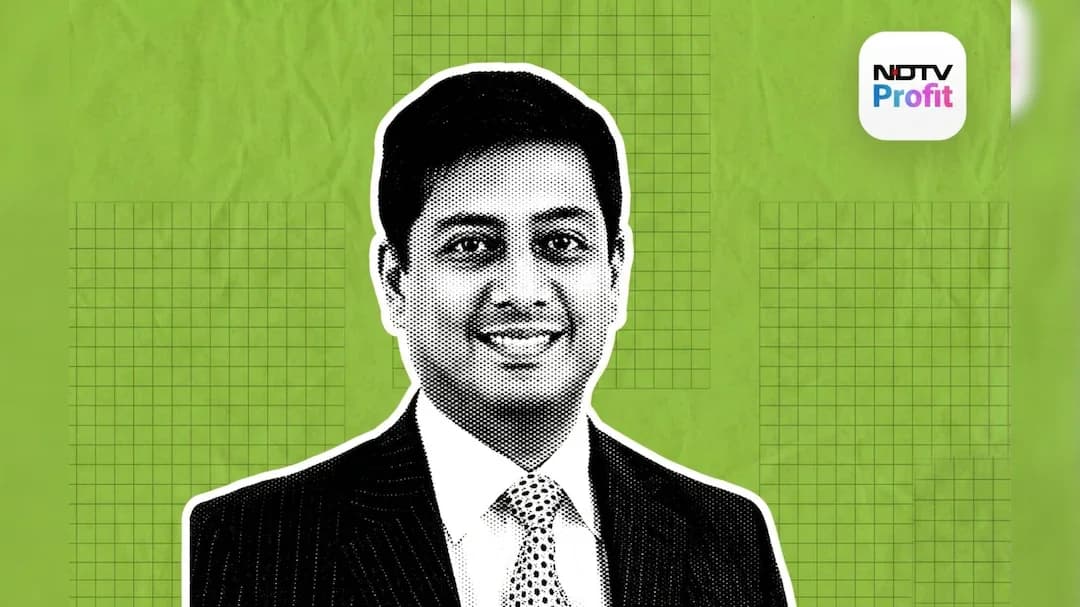
Despite large-caps trading at better valuations compared to mid-caps historically and on a relative basis, Upadhyaya expects higher earnings growth for mid-caps assuming the current crisis ends shortly. As reported by NDTV Profit, he noted that a slight premium on mid-cap portfolios or mid-cap stocks represents a reasonable valuation zone given the expected earnings trajectory. The shift reflects improved risk-reward dynamics in the mid-cap segment compared to the previous period when limited comfort existed in extending exposure beyond large-cap companies. Large caps are trading at a better valuation as compared to mid caps compared to their own history as well as on a relative basis, but the expected earnings growth for mid-caps should outweigh this valuation advantage.
Upadhyaya highlighted the banking and financials sector as a key area for investment, noting that it has been one of the largest weights in the index and will likely need to participate meaningfully for broader market movement. According to NDTV Profit reports, he cited that 125 basis points of interest rate cuts which impacted net interest margins for most banks last year are unlikely to continue. Additionally, credit growth has started to recover with expectations of moderately higher inflation leading to improved nominal GDP growth, potentially supporting overall system-level credit growth. He noted that both growth and margin should be fine for banks and if the crisis ends soon, it won't lead to any asset quality issues. The banking sector's recovery is expected to be supported by expectations of moderately higher inflation and improved nominal GDP growth.
Beyond banking, Upadhyaya recommended an overweight coverage in chemicals sectors and highlighted sectors not impacted by the ongoing Middle East conflict, including telecom and power. As reported by NDTV Profit, he emphasized that there are quite a bit of sectors that can be chosen and placed bets on a diversified basis at the current point in time. The diversified approach aims to capitalize on sectors with stable fundamentals while avoiding geopolitical uncertainties affecting specific regions. He specifically noted that some of the sectors which are not at all impacted by the war or the blockage that has continued, for example telecom, power etc., present attractive opportunities for investment.