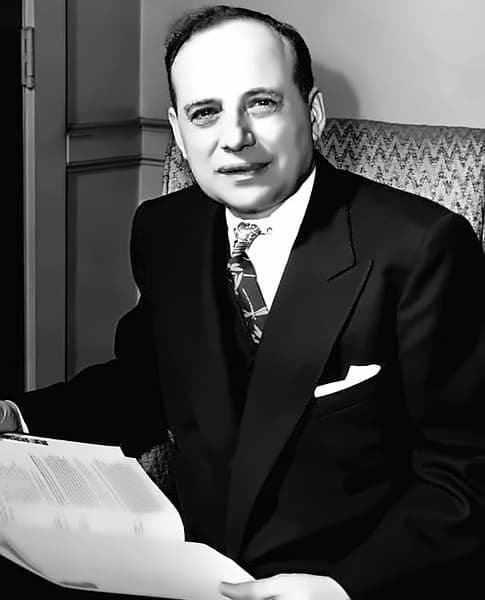
According to The Economic Times, Jesse Livermore's timeless observation remains strikingly relevant in today's fast-paced markets: 'The market does not beat them. They beat themselves, because though they have brains they cannot sit tight.' This insight highlights that investor failure stems from emotional decisions, not market forces, making discipline, patience and conviction critical for navigating volatility and achieving consistent long-term returns. Despite today's investors having access to real-time data, research reports, expert opinions, and sophisticated tools, many fail to generate consistent returns because investing is not purely an intellectual exercise—it is an emotional one.
As reported by The Economic Times, fear during corrections, greed during rallies, and impatience during sideways markets often override rational thinking. Investors who know what to do frequently fail to do it when it matters most. A typical cycle demonstrates this pattern: an investor identifies a strong opportunity based on sound analysis, the position begins to move in their favor, but instead of holding, they book profits too early out of fear of losing gains, or when the market dips, they panic and exit prematurely. The market did not defeat them—their inability to stay the course did.
According to The Economic Times, modern markets amplify the challenge of emotional decision-making. Constant news flow, social media chatter, and expert commentary create a relentless stream of noise where every tick in the market feels like it demands action. Successful investors understand that not all information requires a response. Conviction—built through research and clarity of thought—allows investors to ignore short-term fluctuations. Without conviction, they become reactive, constantly buying and selling, often at the wrong time.
As reported by The Economic Times, if intelligence is not the differentiator, what is? Discipline. The most successful market participants are not necessarily the smartest—they are the most consistent. They follow a process, manage risk, and most importantly, control their impulses. They understand when to act, when to wait, and crucially, when to do nothing. This last point is often underestimated—in investing, inactivity when backed by conviction is a strategy in itself. Markets reward not just intelligence, but temperament—the ability to 'sit tight' is less about doing nothing and more about doing the right thing consistently and patiently.

According to The Economic Times, Livermore's words remain strikingly relevant in today's fast-paced markets. Whether dealing with geopolitical tensions, interest rate shifts, or sector rotations, the temptation to constantly react is strong. But the core lesson endures: 'The market is not your enemy. Your own behavior is.' Investors who succeed are those who master themselves—who can endure volatility, resist emotional decisions, and stay committed to their strategy. The greatest losses are often self-inflicted, and the greatest edge lies not in predicting the market, but in mastering one's own mind.