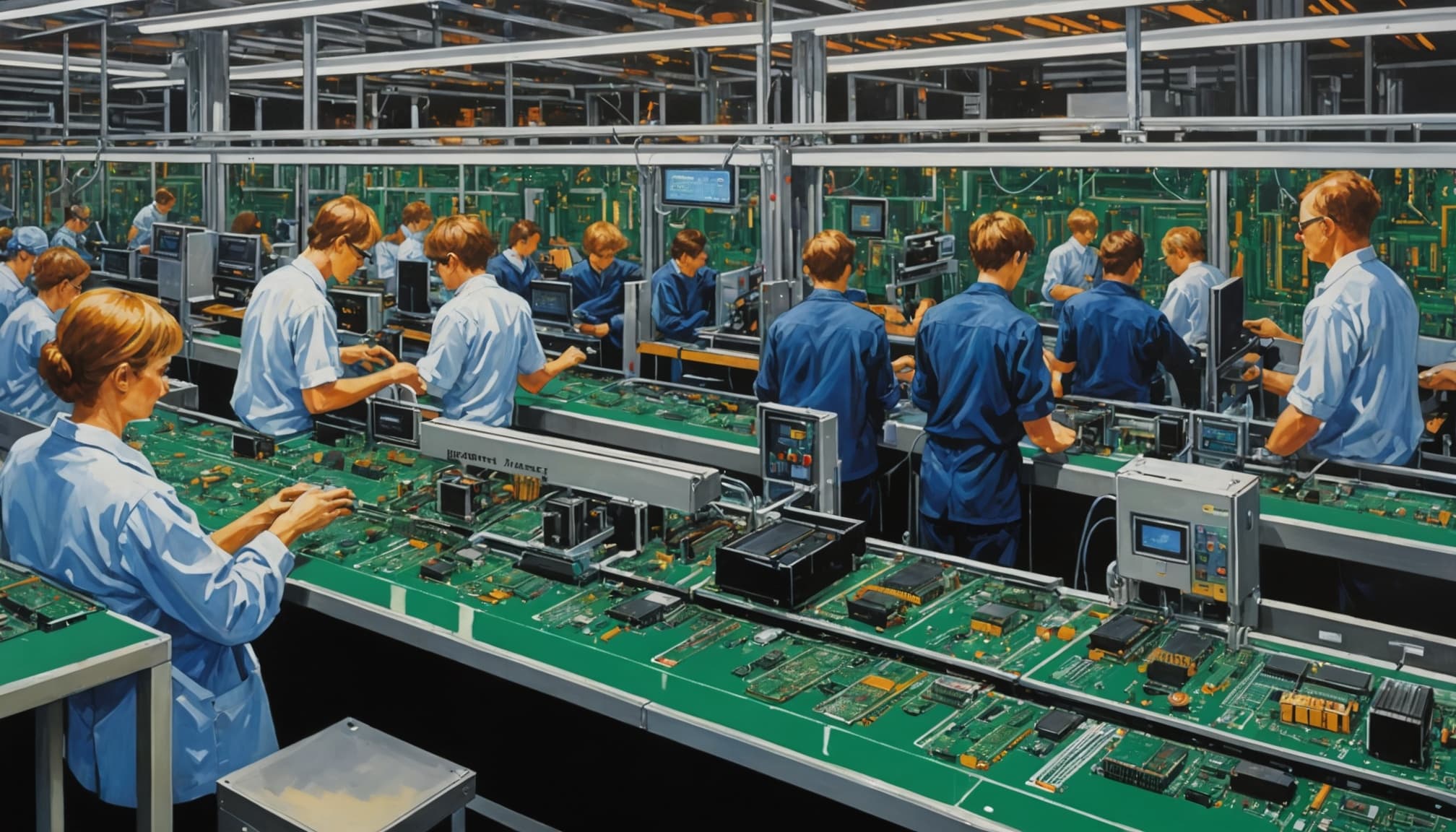
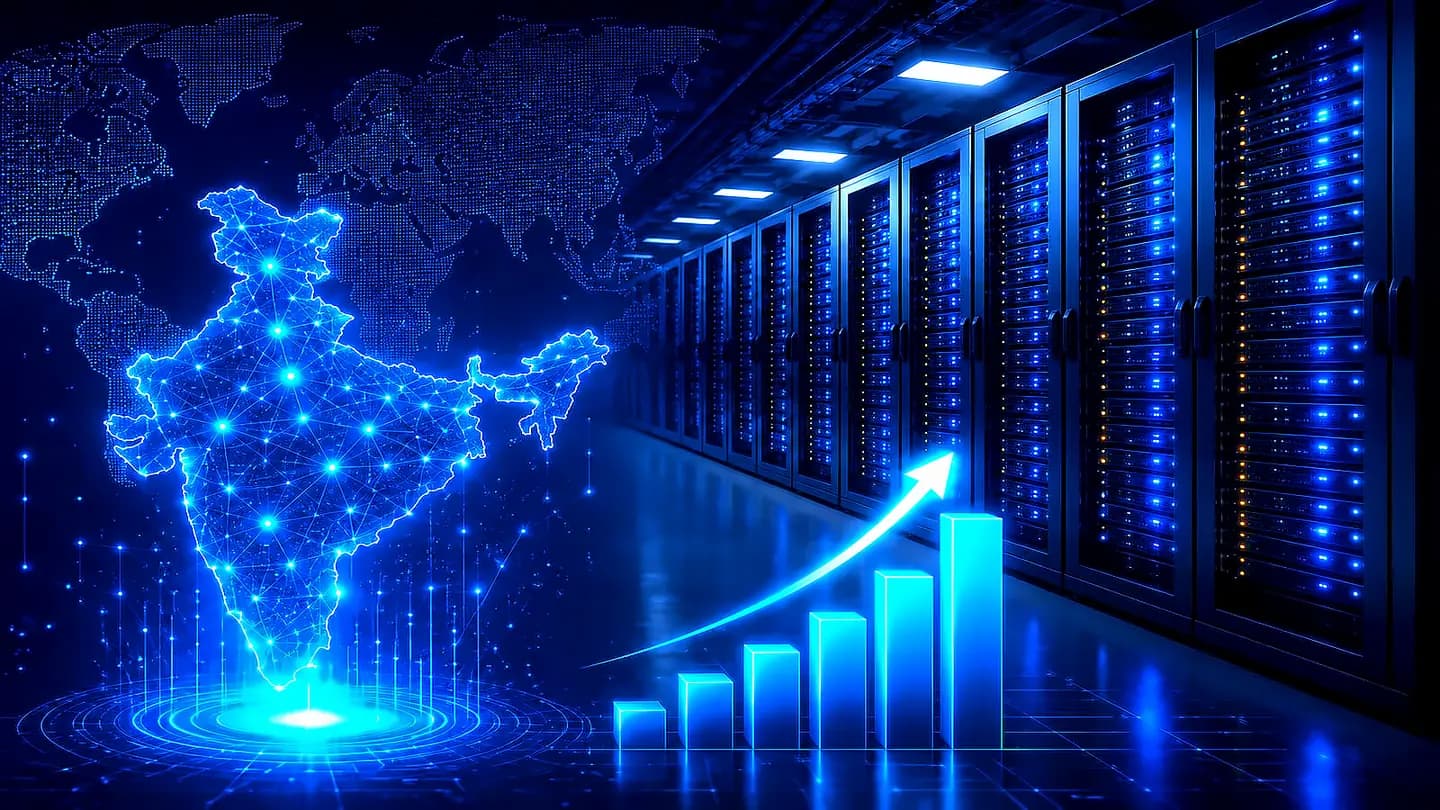
The Union Cabinet has approved ₹1.27 lakh crore for the second edition of India Semiconductor Mission (ISM 2.0), as announced by Union IT Minister Ashwini Vaishnaw on 15 July. According to reports from Mint, Finance Minister Nirmala Sitharaman had announced the launch of India Semiconductor Mission 2.0 in her Union Budget 2026–27 speech on 1 February, with a focus on producing semiconductor equipment and materials in India, designing full-stack Indian semiconductor intellectual property, and fortifying both domestic and global supply chains.
The Indian semiconductor industry is experiencing rapid growth, with the market size expected to reach ₹100-110 billion by 2030 from approximately ₹45-50 billion in 2024-2025, as per industry estimates reported by Mint. Semiconductors are critical for computers, mobile phones, artificial intelligence, modern electronics, telecommunications, automobiles, and defence systems, positioning the sector as a key component of India's manufacturing and infrastructure development story.
Financial experts emphasize that semiconductor investments require a long-term perspective, with Harshal Dasani from INVAsset PMS noting that semiconductors require far greater technological depth, specialized talent, large capital commitments and years of execution before policy support translates into sustainable profitability. As reported by Mint, Ravi Singh from Master Capital Services stated that building a semiconductor industry requires massive capital, skilled talent, reliable infrastructure and strong global partnerships, with most companies unlikely to report meaningful profits for several years.
Market experts suggest a selective approach to India's semiconductor theme, with Harsh Thakkar from SAMCO Securities recommending that investors keep AI money global where profits already exist and keep India's semiconductors small while gradually increasing exposure as chip revenue begins showing up in quarterly results. According to Mint reports, experts emphasize focusing on businesses that can benefit from the transformation, with the real opportunity lying in participating in the ecosystem being built today rather than expecting immediate returns from semiconductor manufacturing itself.
Companies involved in electronics manufacturing, chip design services, industrial automation, data centres and specialized engineering are likely to be among the early beneficiaries as the ecosystem expands, as noted by Ravi Singh from Master Capital Services. As reported by Mint, experts suggest that while the government's commitment under ISM 2.0 strengthens the long-term ecosystem by broadening focus beyond fabrication into chip design, advanced packaging, equipment, materials and research, execution will remain the key differentiator for generating durable shareholder value in capital-intensive industries.