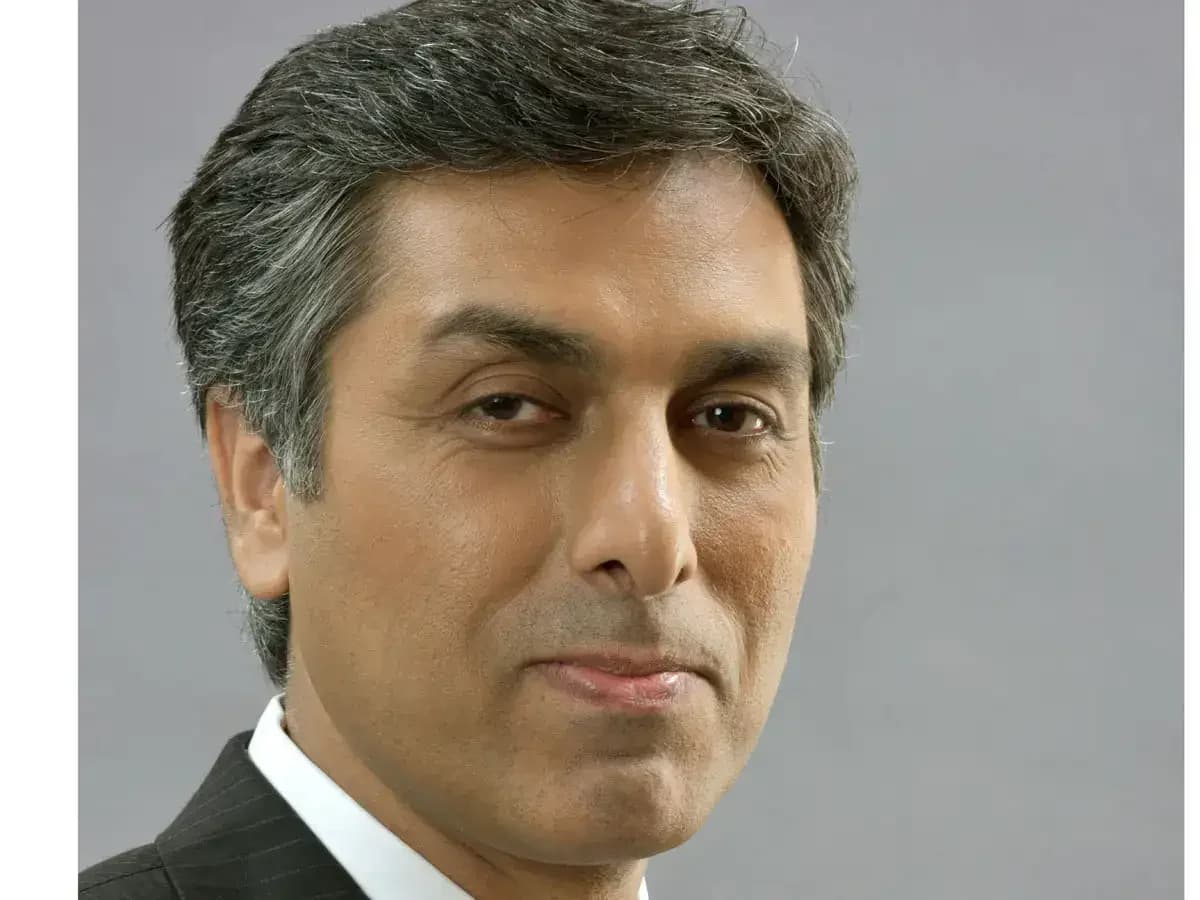
India's stock market is underperforming global markets by the most in 17 years, creating an attractive long-term opportunity for patient investors, according to Marathon Trends PMS CEO Atul Suri. As reported by CNBC TV18, Suri believes Indian equities are going through a prolonged time correction rather than a price correction, while global markets such as the US and Europe continue to outperform. According to Suri, India's performance against the MSCI All Country World Index (ACWI) through a ratio with the Nifty 50 is now at a 17-year low, indicating that Indian equities have rarely underperformed global markets by this much. Recent market data shows Indian shares fell on Wednesday, declining 0.45% before the bell, with seven of the 16 major sectors logging losses. According to Reuters, markets were already facing widespread pressure, driven by cautious sentiment due to higher crude prices.
The market decline was significantly impacted by developments within the Tata Group, with declines in most Tata stocks following Chairman N. Chandrasekaran's decision to step down. As reported by Reuters, the sudden exit of Tata Sons' chairman ahead of the key August 18 Annual General Meeting piled additional downside pressure on Tata Group equities. Tata Consultancy Services (TCS), the country's top software firm, fell 3.9%, while Tata Motors PV, Tata Steel, Titan Company and Tata Consumer declined between 0.5% and 1.5%. The drop wiped off $4.6 billion from the combined market capitalisation of all listed Tata group companies on the day. According to market analyst Mayank Jain at Share.Market by PhonePe, the sudden exit of Tata Sons' chairman added to the pressure on Tata Group equities.
Rising oil prices and caution ahead of domestic and U.S. inflation data weighed on market sentiment, with oil hovering around $89 a barrel as hopes for an end to the Iran war faded after new attacks on shipping in the Middle East. According to Reuters, India is the world's third-largest oil importer, making the price surge particularly impactful for the domestic market. The broader small-caps fell 0.2% while mid-caps added 0.3%, with seven of the 16 major sectors logging losses. However, some sectors benefited from the commodity rally, with Hindalco and National Aluminium rising 2.8% and 8.3% respectively, tracking a rise in global aluminium prices on Gulf supply concerns and lower inventories. Godrej Consumer Products tumbled nearly 11.2% after the sudden exit of its chief executive, Sudhir Sitapati, just months after his reappointment.
Healthcare sector stocks declined significantly following parliamentary committee recommendations for hospital pricing reforms. As reported by Reuters, hospital chain operators such as Apollo Hospitals, Max Healthcare and Fortis Healthcare lost between 1.7% and 3.8% after a parliamentary standing committee recommended benchmarking private hospital room charges and introducing fixed package rates for standard medical and surgical procedures. The regulatory developments add to the sector's challenges amid broader market pressures, with domestic inflation data due after the close likely to reveal effects of higher crude prices and weak monsoon rains, while U.S. consumer inflation readings could guide rate trajectory.