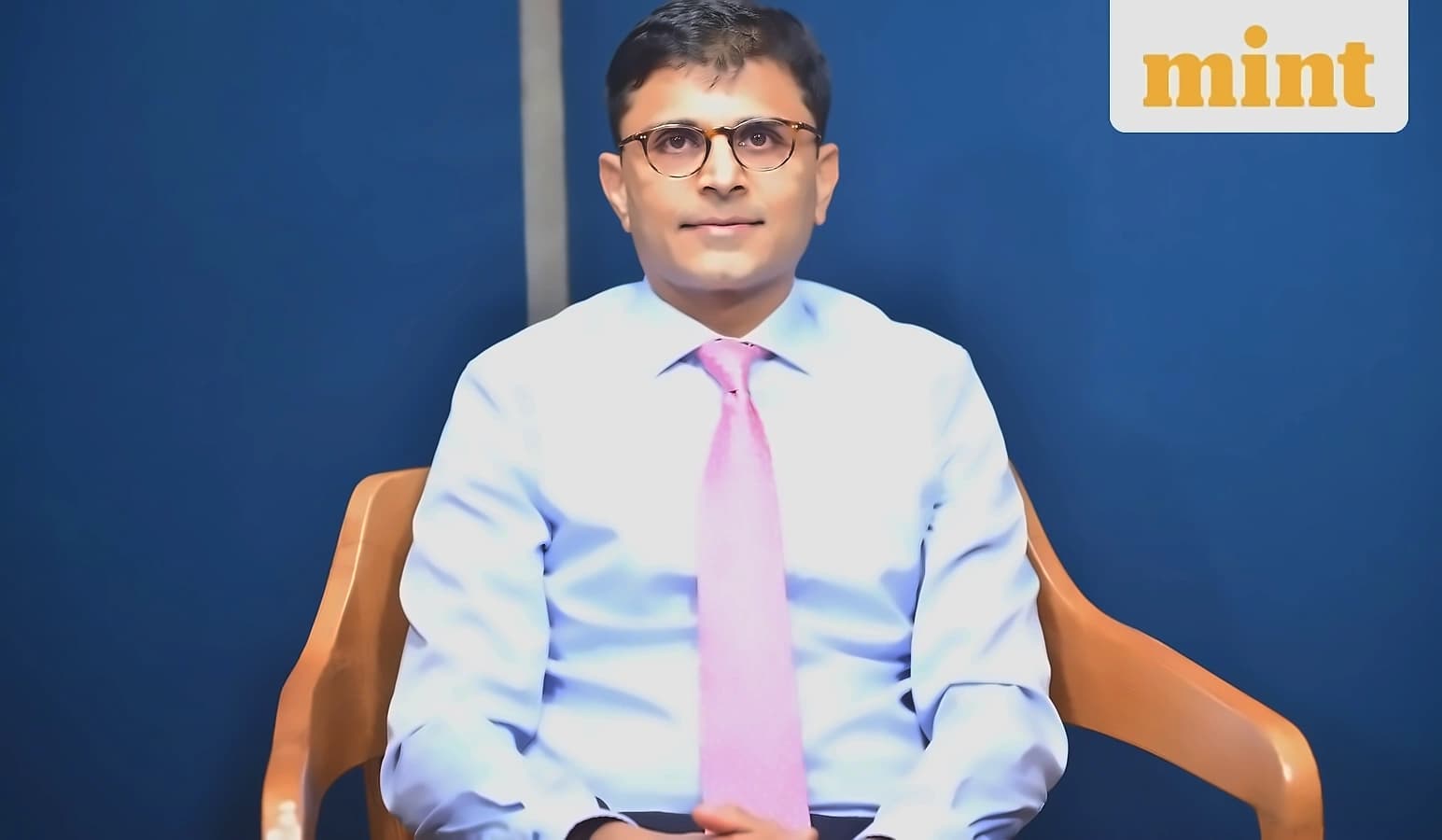
Indian equities have experienced unprecedented underperformance during the AI boom, creating what DSP's Jay Kothari describes as a potential reversal opportunity. According to DSP's latest report, India has underperformed emerging markets by nearly 40% in the last year and 70% over two years, representing the most significant underperformance the market has ever seen. As reported by Mint, this underperformance has positioned India as an 'anti-AI trade' that could act as an AI hedge when market conditions reverse. Kothari explains that "India is going to be acting like an AI hedge because over the last two years, India has significantly underperformed the emerging markets and the world markets."
Despite global AI momentum, India's technology sector fundamentals remain robust compared to international peers. According to DSP's analysis, India's tech companies continue to deliver strong earnings and ROEs while global markets have become increasingly concentrated in AI-related segments. The report highlights that globally, tech components have increased from 20% to 30% of market cap in the All Country World Index, while emerging markets have seen this proportion rise from 20% to 46%. India's lack of hardware and semiconductor exposure means it hasn't benefited from the 50% growth these sectors have driven in emerging markets. Kothari notes that "In India, there is only one component of tech. We do not have hardware and semiconductors, which have driven 50% of the growth in emerging markets and the world."
Several key variables that previously impacted Indian markets are beginning to reverse course. As reported by Mint, earnings growth in the latest quarter hit a 10-quarter high, while retail flows continue to provide market support. The previous challenges included US tariffs, currency depreciation, and foreign portfolio investor selling that had created negative sentiment. These factors have now started to revert, potentially setting the stage for India's traditional outperformance to return. Kothari explains that "The bulk of these variables have started turning. Earnings growth in the latest quarter hit a 10-quarter high. Retail flows are continuing to hold, plus many of the variables impacting India have now started reverting."
The upcoming IPO wave is expected to create measured capital supply dynamics in the market. According to DSP's analysis, more IPOs entering the market will increase supply and potentially subdue secondary market demand, as foreign portfolio investors redirect capital from secondary markets to IPO investments. Kothari emphasizes that "If more IPOs come, the demand and supply of capital will be measured that way supply will go into IPOs, and the secondary market will be slightly more subdued." He strongly urges retail investors not to get swayed by momentum, noting that "Time in the market is always more important than timing the market."
Despite large-cap underperformance of approximately 20% over the past year, specific sectors are showing strong fundamentals. As reported by Mint, banks are experiencing credit growth recovery with low delinquencies and reduced credit costs, while retail segments including quick commerce and premium retail are performing well. Within the IT sector, mid and small-cap companies are outperforming large-cap peers, suggesting selective opportunities exist across market segments. Kothari advises focusing on companies with growth potential that can participate in global and local trends, trading below their intrinsic value. He emphasizes that "Companies with growth potential that can participate in global and local trends, trading below their intrinsic value, that's where one needs to focus."