According to GV Giri, President and Head of Research-Institutional Equities at IIFL Capital Services, the IT downtrend is not over with expectations of continued weakness. As reported by CNBC TV18, Giri is calling for 'lower lows and lower highs' for the technology sector, indicating sustained pressure ahead. This bearish outlook suggests investors should prepare for further declines in IT-related stocks. However, UTI AMC's Vetri Subramaniam presents a contrasting view, describing the current AI-driven challenges as a transition phase rather than permanent decline. Speaking at the Global Fintech Festival 2026, Subramaniam noted that traditional IT companies are facing headwinds as customer budgets pivot towards AI-related investments, particularly hardware and large language models. Despite near-term pressure, he believes the sector could benefit significantly once enterprises move towards "wholehearted AI adoption" and will need partners that understand existing technology systems for integration.
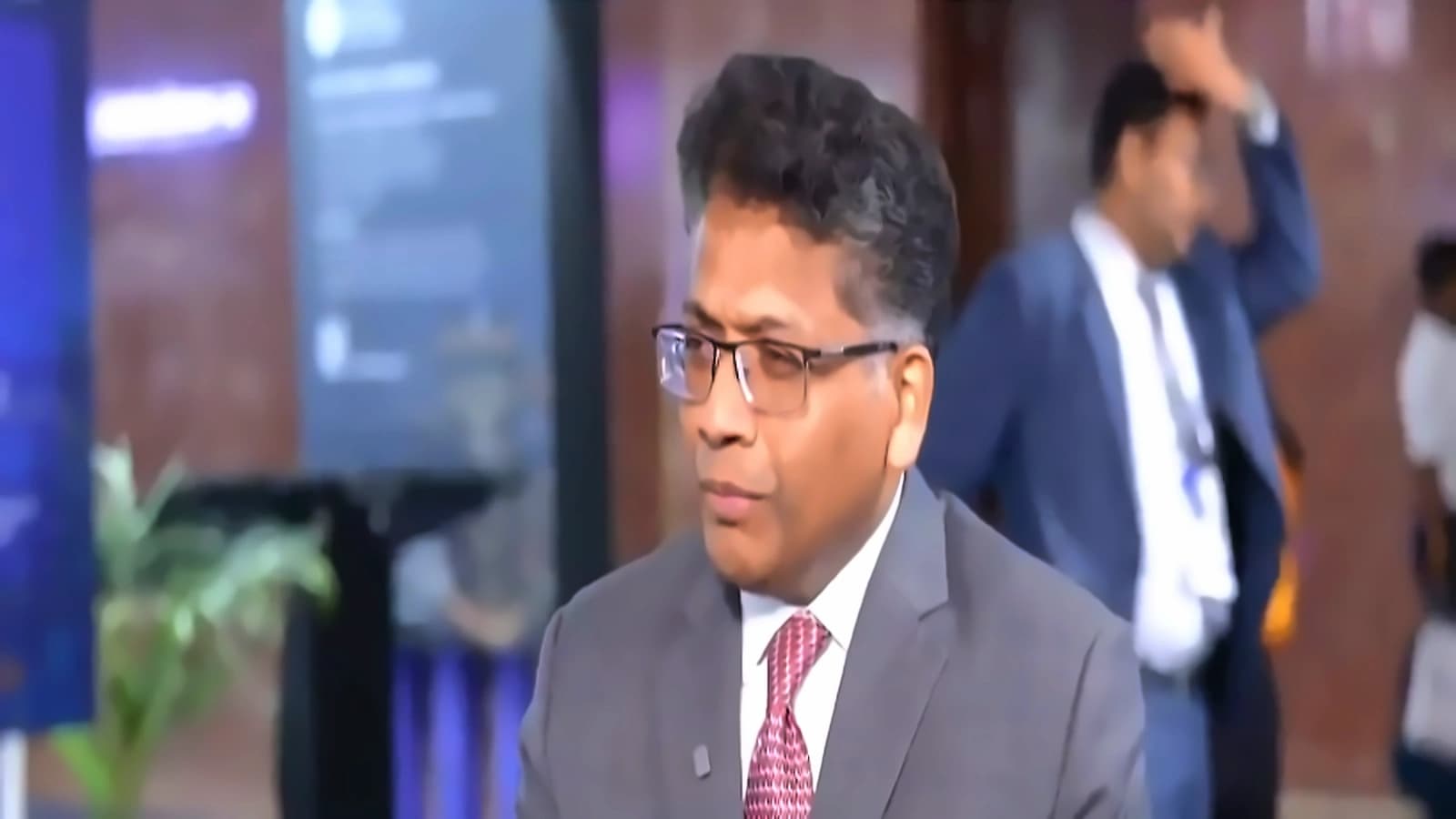
Despite elevated crude oil prices, Giri favors oil consumers over producers, according to the CNBC TV18 report. This strategic preference suggests that companies benefiting from higher oil consumption, rather than those involved in production, may be better positioned in the current market environment. This recommendation comes as oil prices remain at elevated levels, creating potential opportunities for consumer-focused oil companies.
Giri remains bullish on metals, as reported by CNBC TV18. His positive outlook is supported by three key drivers: defence spending, energy transition initiatives, and data centres. These sectors are expected to drive demand for metals, creating a favorable environment for companies in the metals space. The combination of these three factors provides a comprehensive rationale for the bullish metals stance.
According to the CNBC TV18 report, Giri's investment strategy reflects a sector rotation approach amid current market conditions. The recommendation to favor oil consumers over producers, combined with the bullish stance on metals, suggests a defensive positioning strategy. Subramaniam's approach emphasizes contrarian investing in IT stocks, noting that they are currently trading only slightly more expensively than bonds, making them attractive for investors willing to take contrarian positions. For most investors, however, he recommends a diversified approach rather than sector-specific bets, suggesting that 90-99% of investors should consider buying diversified funds and letting fund managers handle sector allocation.
Subramaniam highlighted that Indian equities face a valuation challenge when compared with other major markets. While India has delivered strong earnings growth over the past two quarters, the growth rate does not stand out when compared with other markets. This leaves India in an uncomfortable position for both growth and value investors, as the country is "not growthy enough for those hunting for growth, and we're not cheap enough for those looking for value." Within the Indian market, he sees more comfort in large-caps compared with mid- and small-caps, where valuations imply very high expectations for future earnings growth. He argued that even 20% earnings growth may not be sufficient to drive stocks higher if that level of growth is already reflected in their prices, emphasizing that investors should look for stocks doing "better than what it was priced for."