As geopolitical tensions ease following the US-Iran peace deal, investors are re-evaluating their portfolio allocations. According to reports from Mint, expectations of better crude oil supplies and lower energy prices have improved the outlook for economies such as India, which is heavily dependent on oil imports. Against this backdrop, investors are evaluating whether to stay invested in traditional safe-haven assets like gold and silver or shift capital towards equities that could benefit from improving economic conditions.
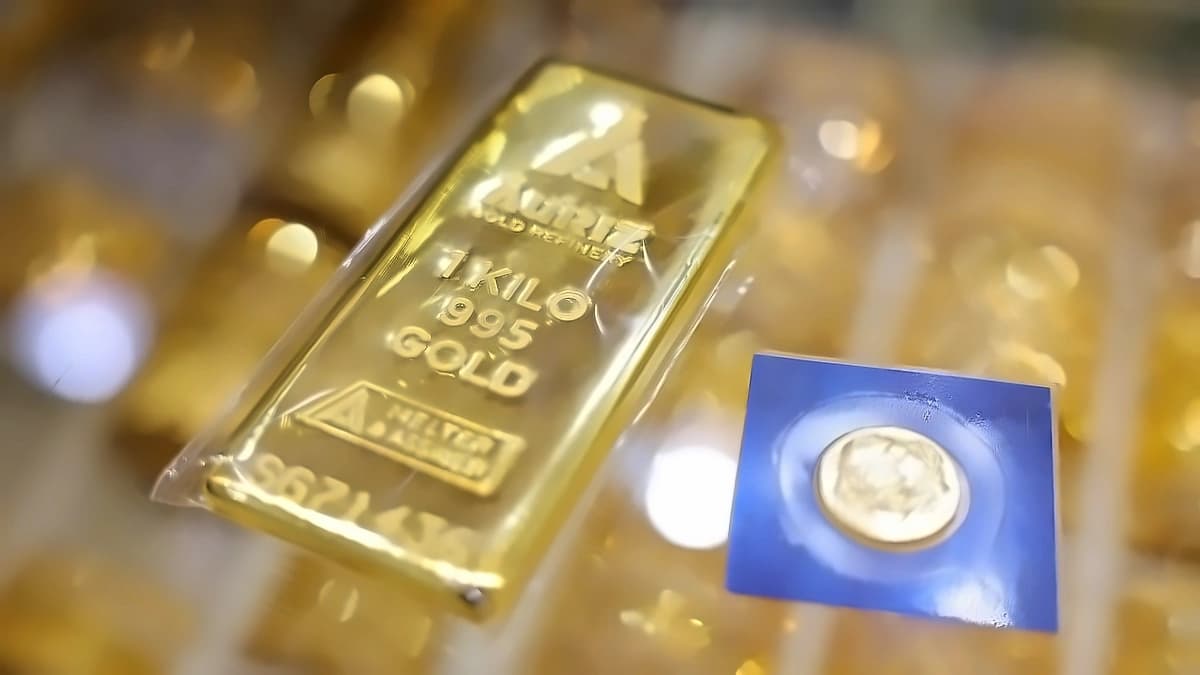
Gold emerged as one of the biggest beneficiaries of geopolitical uncertainty in 2025 and early 2026, with rising global tensions and economic uncertainty pushing investors towards the traditional safe-haven asset. As reported by Mint, in January 2026 when gold prices peaked, gold ETFs recorded record inflows of ₹24,040 crore, surpassing equity mutual fund inflows for the first time in history. However, with geopolitical concerns easing and gold prices moderating, investor interest has started cooling. Latest data from the World Gold Council shows gold ETFs in India recorded net outflows of US$61 million (₹582 crore) in May, equivalent to 0.4 tonnes, reducing total holdings to 116.3 tonnes - marking the first monthly outflow in a year. According to Mirae Asset Mutual Fund's Siddharth Srivastava, investors booked profits after the strong rally in gold paused, with gold funds having risen 57.1% over the past year but corrected 4% in the past three months.
Silver witnessed a similar momentum-driven rally like gold in 2025, with prices surging nearly 150% over the year. According to Mint reports, silver ETFs attracted ₹9,463 crore in January 2026 alone. Now, technical analysts are projecting significant upside potential for silver, with targets ranging from ₹77 to ₹96 depending on key resistance levels. As reported by multiple trading analysts, silver reclaimed its 200 EMA near ₹66-₹68 this week, putting price back inside its range. The critical technical level is the ₹74 50 EMA, which analysts identify as the gate to a potential 30% move toward ₹89. Dr. Potassium from Potassium_phd projects the most aggressive target of ₹96.01, conditional on the October 2025 trendline holding as support, while Citigroup maintains a ₹150 target from their January call. However, silver dropped about 3% on Wednesday after the Federal Reserve signaled growing support for rate hikes in 2026, with half of FOMC members projecting a hike may be needed.

Despite the slowdown in flows, experts do not suggest investors completely abandon gold. Narinder Wadhwa, Managing Director and CEO of SKI Capital Services, noted that gold continues to benefit from structural factors beyond geopolitical tensions. As reported by Mint, he emphasized that gold is unlikely to witness a sharp exodus of capital, with support from central bank buying, strategic reserve diversification by countries such as China and India, and expectations of lower interest rates. Vikram Dhawan from Nippon India Mutual Fund highlighted that central bank purchases in the first quarter of 2026 remained above long-term averages, while the gradual diversification of global reserves away from the US dollar continues to provide support. However, experts are now advising caution. Abhishek Kumar from SahajMoney.com suggests investors should be cautious after curbs introduced by HDFC AMC, noting that the curbs act as a risk-management signal rather than a direct predictor of negative returns. He recommends existing investors avoid lump-sum purchases and consider booking partial profits if recent rallies have made portfolios overweight, while new investors should build allocation through systematic investment plans with a 5-10% cap on total portfolio exposure and at least a seven-year horizon.
Most experts agree that equities are likely to perform better as geopolitical risks ease. As reported by Mint, lower crude oil prices reduce inflationary pressures, improve corporate profitability and support consumer spending, creating a more favourable environment for stock markets. Vikram Dhawan noted that investors rotated money from defensive assets into risk assets such as equities as risk sentiment improved and opportunities emerged in growth-oriented sectors. Money has started finding its way back into growth assets, with equity mutual funds receiving net inflows of ₹22,908 crore in May, up 20% from a year ago. Vijay Kuppa highlighted that Indian equity valuations have corrected, making them attractive despite poor returns over the past year, while Vaibhav Porwal noted that the Nifty 50 is trading below its long-term median valuation.