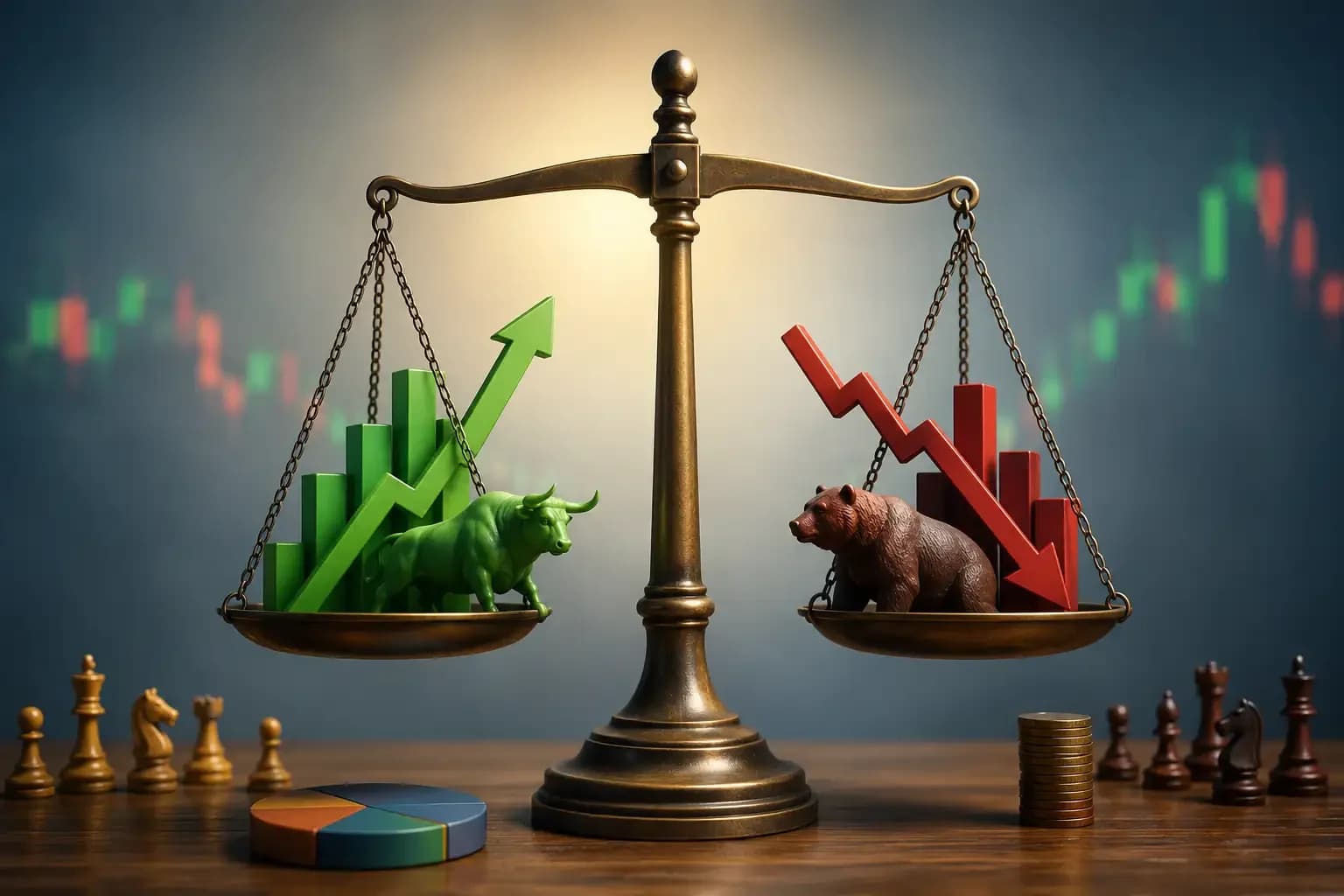
Legendary market commentator George Goodman, writing under the pen name Adam Smith in his classic 1968 book 'The Money Game', argued that investing is as much about understanding human psychology as it is about analyzing financial statements. According to his philosophy, successful investing requires understanding not just businesses, but also the emotions of market participants. Fear, greed and changing investor moods can cause stock prices to diverge significantly from their intrinsic value, creating both opportunities and risks for investors. His insights continue to resonate with investors navigating today's volatile markets, where understanding human psychology and maintaining emotional balance remain essential for consistent investment performance despite the constant flow of market information and trading opportunities.
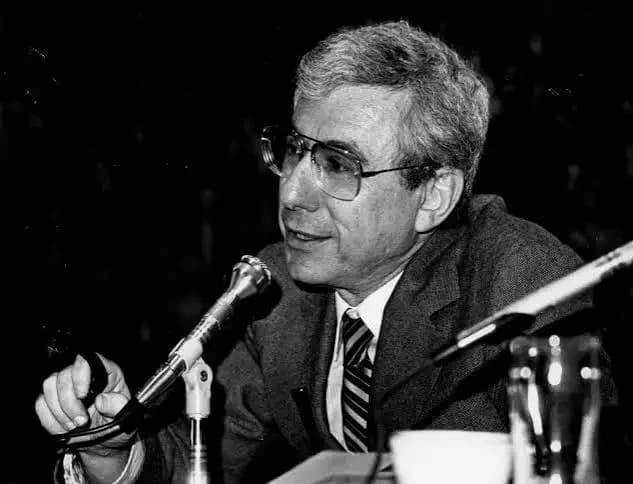
Goodman believed that markets go through phases where no strategy consistently works, making patience a competitive advantage. He argued that choosing not to buy or sell until conditions improve is, in itself, an active investment decision rather than a sign of indecision. According to his philosophy, thoughtful inaction can often outperform impulsive action in volatile market environments. This approach contrasts sharply with the current age of instant trading, algorithm-driven investing and constant market updates that characterize modern financial markets. In an era where investors are bombarded with real-time data and trading opportunities, Goodman's philosophy offers a counterintuitive but potentially rewarding approach to market participation.
Goodman's insights reveal that greed and fear shape market cycles, leading many investors to buy near market peaks and sell near market bottoms—the exact opposite of successful long-term investing. History shows that bubbles often begin with sound investment ideas before excessive optimism drives prices beyond reasonable valuations. Conversely, periods of panic may create attractive buying opportunities for disciplined investors willing to think independently, demonstrating how emotional swings can create both opportunities and risks for market participants. Maintaining emotional balance is therefore essential for consistent investment performance, as investors must resist the natural tendency to act impulsively during market extremes.
His philosophy emphasized concentration over excessive diversification, with conviction backed by deep research rather than owning numerous companies with only superficial understanding. Goodman encouraged investors to look beyond reported earnings and understand the broader narrative surrounding a company before making investment decisions. He also stressed the importance of remaining detached from investments to allow for objective reassessment when circumstances change, rather than defending previous decisions simply because money has already been invested. This approach requires investors to resist crowd mentality and avoid following popular sentiment, instead focusing on fundamental analysis and long-term value creation.
Goodman's greatest lesson remains that investing is not about constant activity. Sometimes the smartest decision is to resist the urge to act, remain patient, and wait for the right opportunity, because in investing, doing nothing can occasionally be the most profitable move of all. His insights continue to resonate with investors navigating today's volatile markets, where understanding human psychology and maintaining emotional balance remain essential for consistent investment performance despite the constant flow of market information and trading opportunities. The legacy of his philosophy suggests that successful investing requires not just technical expertise, but also the discipline to avoid impulsive decisions during market extremes and the patience to wait for optimal entry points.