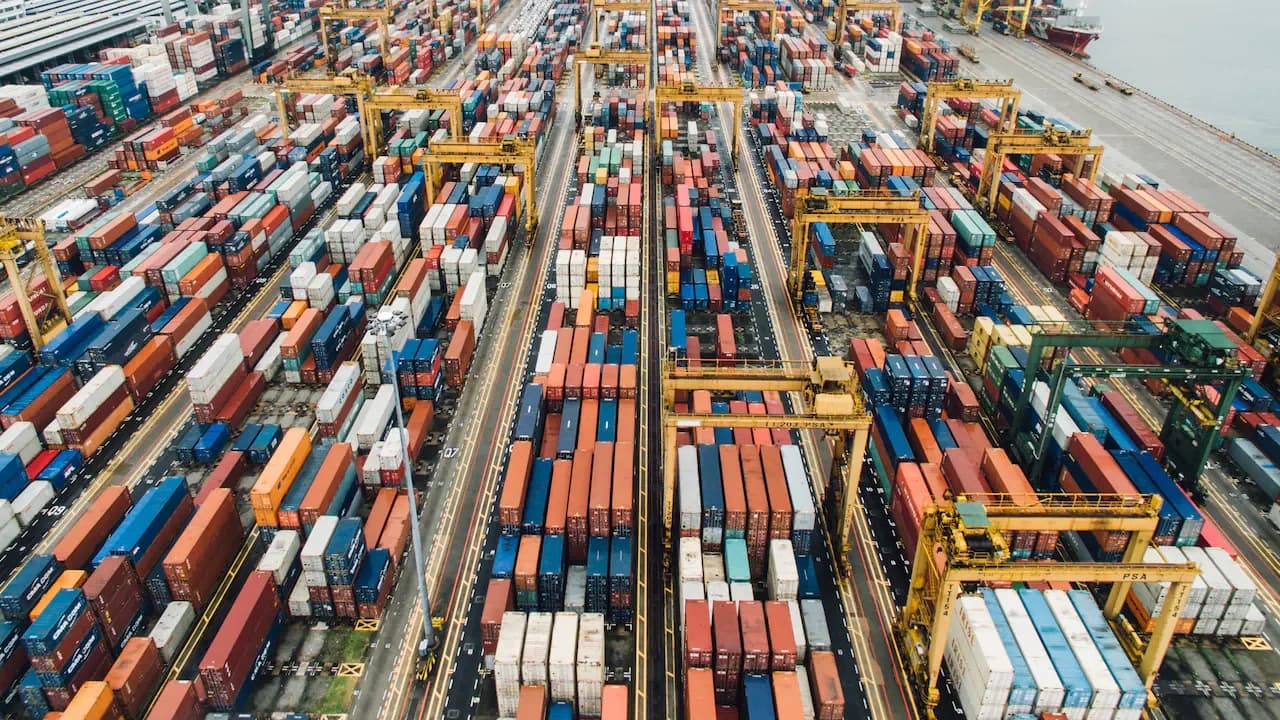
The Indian rupee closed at 95.65 against the US dollar, declining 27 paise from its previous close, as reported by PTI. Commerce and Industry Minister Piyush Goyal confirmed that India and the US teams are fully engaged for a trade pact that is balanced, commercially meaningful, and delivers tangible benefits for businesses, farmers, workers, and consumers. The rupee opened lower at 95.72 against the American currency and traded in a range of 95.58-95.86 during the session, with the currency recovering from lower levels as domestic markets improved and crude oil prices softened from intraday highs. According to Mirae Asset ShareKhan's Anuj Choudhary, the rupee is expected to trade with a negative bias on risk aversion in global markets amid heightened tensions between the US and Iran, though diplomatic efforts to de-escalate tensions may support the rupee at lower levels.

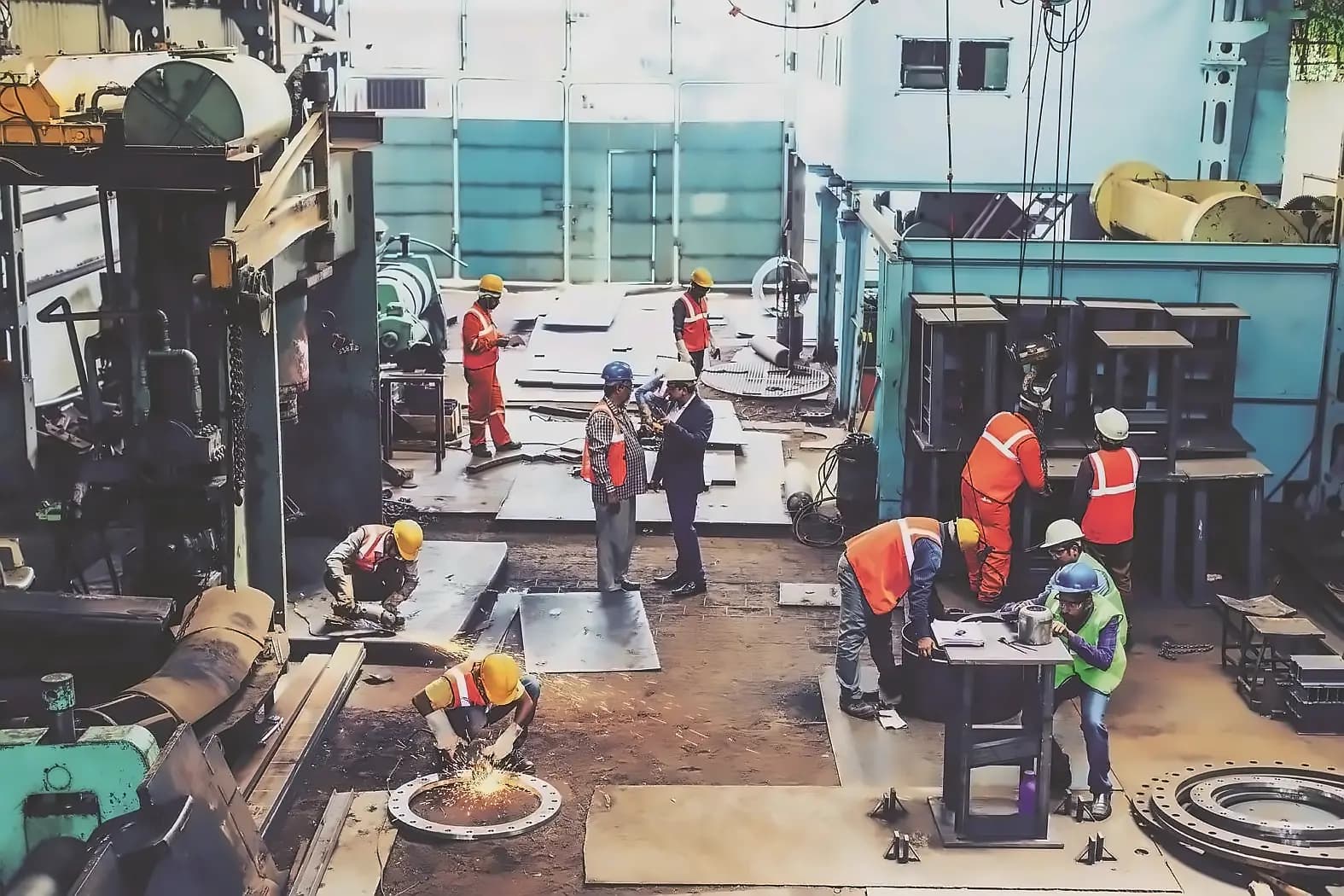
India's manufacturing sector is entering a stronger phase of growth as recent free trade agreements (FTAs) and a weaker rupee create fresh opportunities for both exports and import substitution, according to Vikas Khemani, Founder of Carnelian Asset Management and Advisors. As reported by CNBC TV18, both factors have a multiplier impact and are likely to give significant advantage to Indian manufacturers from both import substitution and export-oriented perspectives. The combination is expected to drive this segment in a very significant way, with Khemani drawing parallels to the period following the Russia-Ukraine conflict where markets have gradually looked beyond macro risks as supply chains stabilise.
India offers broad-based investment opportunities across multiple sectors, with manufacturing currently accounting for around 15-16% of GDP and potential to rise to 22-25% over time, making it a structural opportunity that could play out well into 2035. According to Khemani's analysis reported by CNBC TV18, India has the same drivers of growth across manufacturing, banking and financial services, consumer businesses, healthcare and contract drug manufacturing (CDMO). He emphasized that India is such a beautiful broad-based story that investors can play out what they want, with individual sectors such as chemicals or capital goods experiencing cyclical ups and downs while the broader manufacturing story remains intact.
On the domestic equity market front, Sensex ended marginally higher by 47.01 points at 77,616.40, while the Nifty was up 4.10 points to 24,211, as reported by PTI. Foreign institutional investors purchased equities worth ₹2,603.72 crore on a net basis on Friday, according to exchange data. The Reserve Bank of India reported that India's forex reserves jumped USD 7.26 billion to USD 674.193 billion during the week ended July 3, compared to a drop of USD 5.654 billion in the previous reporting week. Khemani advocates for investors to avoid treating manufacturing as a single trade and instead focus on identifying businesses with strong capabilities and favourable risk-reward, as different sub-sectors will outperform at different stages of the cycle.