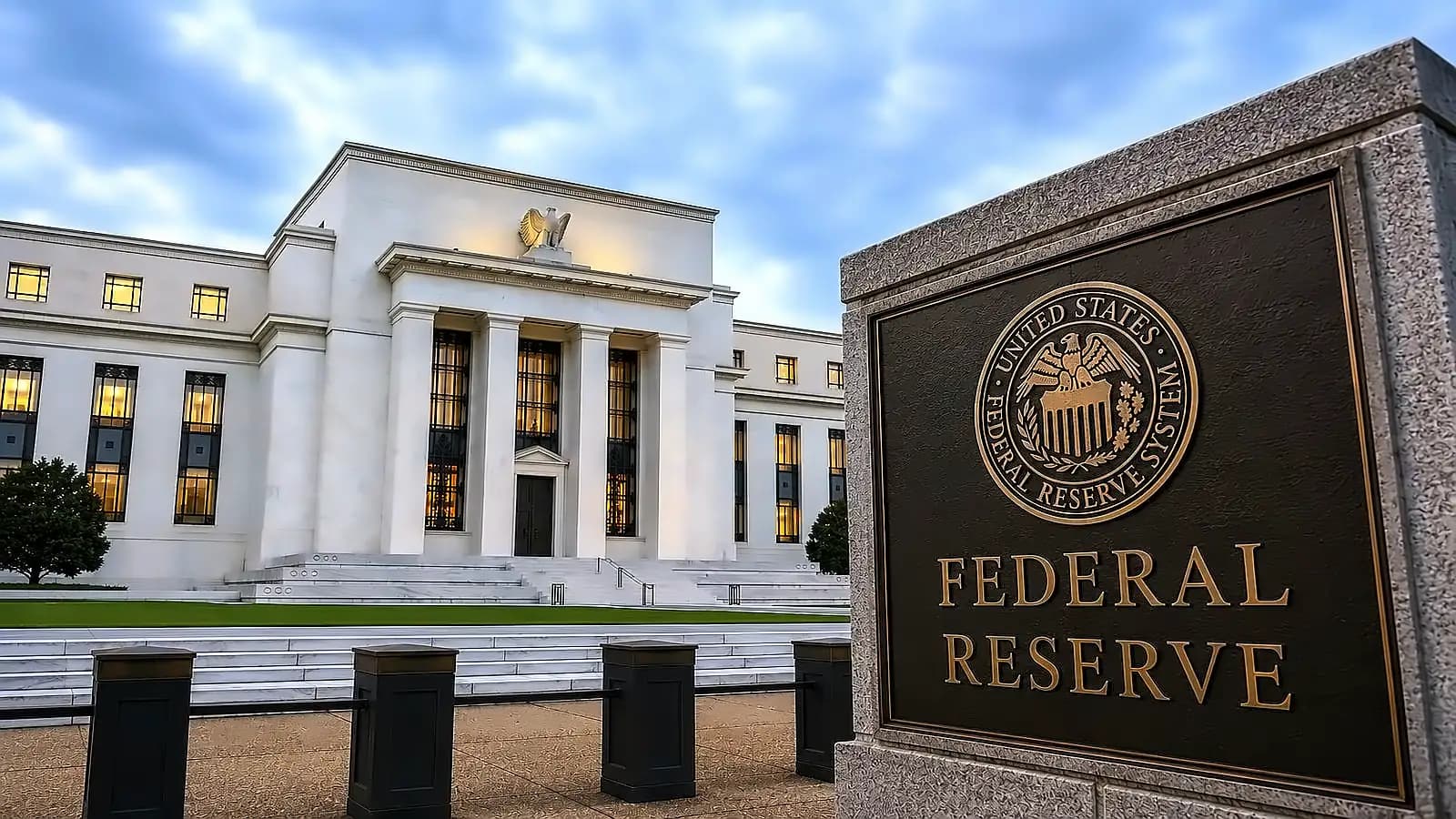
UBS Global Wealth Management has significantly pushed back its expectations for US Federal Reserve interest rate cuts, now forecasting the central bank will keep rates unchanged through 2026 and begin easing only in 2027. According to Reuters, the wealth manager expects the Fed to deliver two 25-basis-point rate cuts in March and June 2027, marking a substantial shift from its previous projections of reductions in December 2026 and March 2027. This revised outlook comes ahead of the Federal Reserve's policy decision on Wednesday, the first meeting under new Chair Kevin Warsh, with markets broadly expecting policymakers to leave interest rates unchanged. UBS anticipates a more hawkish tone from the central bank than markets may currently be pricing in, expecting policymakers to reinforce their commitment to controlling inflation through both the policy statement and the updated 'dot plot' outlining officials' projections for future interest rates.
Lee remains cautious about the durability of any Iran deal and believes oil markets may be underestimating geopolitical risks. As reported by CNBC TV18, he expects a lot of back and forth and changing positions, especially because the more radical factions within Iran are trying to assert themselves. The more moderate side is clearly looking for ways to rebuild the economy, and the West is ready to invest heavily in Iran, but that money will only come if there is confidence that the government will remain cooperative. Lee doesn't think that certainty will be in place for quite some time, and he doesn't believe Iran could be convinced to change its behaviour under extreme pressure, so he doesn't think it will suddenly become fully compliant at the negotiating table. The latest developments show the United States and Iran reached an interim agreement to reopen the Strait of Hormuz, a channel for roughly a fifth of the world's oil supplies, though concerns remain about technical implementation.
US bond markets experienced significant gains following news of the Iran deal, with two-year yields falling as much as seven basis points to 4.01% before ending down about one basis point around 4.07%. Benchmark 10-year notes were also lower by about one basis point to 4.47% after earlier dropping to 4.42%. According to JPMorgan Chase & Co's Fabio Bassi, investors believe the decline in oil prices will reduce the need for more aggressive hikes by developed-market central banks. Tomo Kinoshita from Invesco Asset Management notes that based on observed postwar correlations, a 10% decline in oil prices would lead to an approximate 13-basis point decline in US 10-year treasury yields. The dollar's decline was tied to fading demand for haven assets, with Brent crude sliding easing inflation concerns. Most major brokerages now expect the Federal Reserve to keep rates unchanged through the remainder of the year, with Citigroup and Wells Fargo remaining among the few institutions that continue to anticipate rate cuts before year-end. Interest-rate futures indicate that traders see a growing possibility of tighter monetary policy, with markets pricing in roughly a 42% probability of a 25-basis-point rate increase by December according to the CME FedWatch Tool.
Despite recent market underperformance, Lee sees India as one of the strongest emerging-market opportunities and a credible alternative in global supply chains. According to CNBC TV18, he believes recent weakness in Indian markets could present a buying opportunity, supported by long-term investments in technology, energy and infrastructure. Lee would rather buy shares in India than buy ounces of gold, viewing gold as a very speculative asset class. He notes that it's unfortunate for India and many emerging markets that institutions such as HSBC are recommending investors underweight India, as among all emerging markets, India has a better chance than most of becoming a credible alternative to China. The evolving expectations underscore the uncertainty surrounding the US inflation outlook and the path of monetary policy as central banks balance growth concerns against persistent price pressures.
Lee highlights important developments underway in India's relationship with the United States, including technology transfers such as the GE fighter engine programme and small modular nuclear reactors that can help strengthen India's power grid. As reported by CNBC TV18, these kinds of structural investments are laying the groundwork for long-term growth, with a lot of the foundation being built right now. He remains constructive on India's outlook despite current market challenges, viewing the underperformance as creating a buying opportunity for investors seeking exposure to India's long-term growth potential. The week is packed with key central bank meetings, including the Bank of England, adding to investor focus on the global interest-rate outlook.