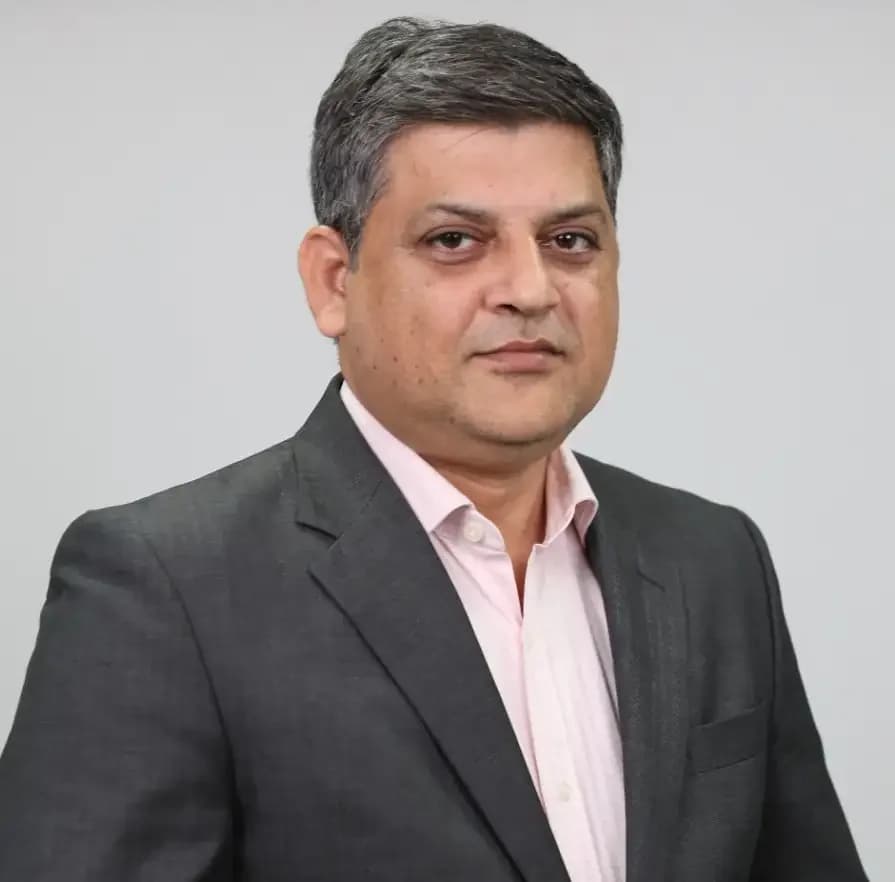
Anish Tawakley, Chief Investment Officer at DSP Asset Managers, believes banks and insurance companies offer the best opportunities in the current market cycle. According to reports from CNBC TV18, Tawakley expects large private sector banks to continue gaining market share and sees insurance volumes recovering after an initial regulatory adjustment. He expects a cyclical pickup in the banking space with good volume growth, positioning it as his favourite sector at the moment. On insurance, he reiterated his preference for manufacturers over distributors, arguing that regulatory proposals primarily affect distribution incentives. As reported by CNBC TV18, he said there'll be a one-time dip in the VNB (Value of New Business), but then the VNB starts growing again. He prefers life insurers over general insurers but remains constructive on the broader insurance sector, with insurers having stronger brands expected to benefit as sales become more driven by customer demand than distributor incentives.

Tawakley expects a one-time reset in policy sales due to the insurance regulator's consultation paper, but anticipates growth to resume from the new base. As reported by CNBC TV18, he said there'll be a one-time dip in the VNB (Value of New Business), but then the VNB starts growing again. He prefers life insurers over general insurers but remains constructive on the broader insurance sector, with insurers having stronger brands expected to benefit as sales become more driven by customer demand than distributor incentives.
The CIO continues to avoid hospitals, arguing that valuations had already become expensive before regulatory concerns emerged. According to CNBC TV18, he said he's been running a zero hospitals portfolio, stating that valuations were way overdone. Tawakley remains cautious on NBFCs, particularly those exposed to unsecured retail lending, expecting a credit cycle in the unsecured lending space. He also advised caution on capital market-linked businesses, including brokerages and exchanges, saying activity tends to be cyclical and closer to a peak than a trough. As reported by CNBC TV18, he noted that while retail credit penetration in India remains low overall, the underpenetration largely exists in mortgages rather than unsecured loans.
On the technology sector, Tawakley said valuations have become more reasonable after the correction but believes the key challenge is not artificial intelligence (AI). As reported by CNBC TV18, he stated that the problem is clearly GCCs (global capability centres) that continue to gain business at the expense of Indian IT service providers. Regarding real estate, he reiterated that homebuilding remains critical for India's long-term economic growth but favours developers monetising existing land banks instead of making aggressive new land acquisitions, with companies generating cash from existing projects and returning capital to shareholders better positioned as the property cycle matures.