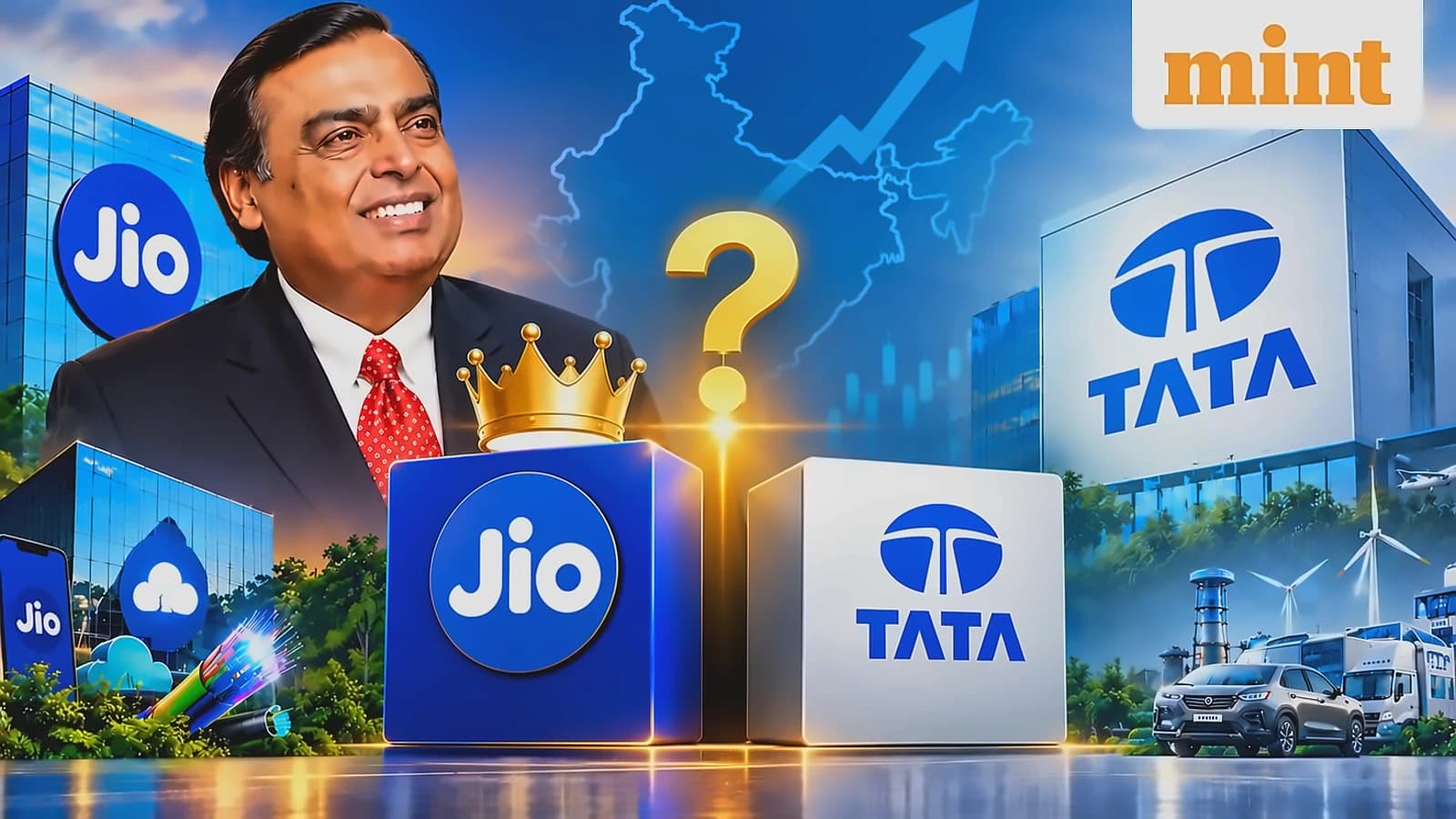
Jio Platforms' ₹30,213 crore IPO generated unprecedented investor interest, attracting public bids worth ₹4.9 lakh crore during its three-day offering that closed on October 23. The issue was subscribed 22.19 times, with qualified institutional buyers bidding for 70.55 times their allotted shares and retail investors subscribing 2.72 times. This record demand comes at a time when India's equity markets face pressure from geopolitical uncertainty, elevated crude oil prices and foreign investor selling, highlighting the depth of domestic and institutional capital available for large public offerings. Jio's shares are scheduled to list on October 28, with their performance expected to influence how other companies price and time their public issues. Jio's shares soared 21% in their record Mumbai debut, opening at ₹1,358 per share compared to the ₹1,119 offer price, valuing the company at approximately $131.52 billion and making it India's second-largest company by market capitalisation.
Capital is actively shifting from the secondary market into a massive ₹5 trillion primary market pipeline, as investors reallocate liquidity toward initial public offerings (IPOs) and qualified institutional placements (QIPs) amid a subdued broader market, according to Mint reports. The amount of money in the system remains relatively fixed at around 5-7% growth, but capital is moving from one market segment to another rather than expanding overall market participation. Recent data shows this trend is accelerating, with non-mutual fund domestic investors now accounting for ₹65 of every ₹100 in Indian equities purchased, up from ₹16 in 2024, as reported by CNBC TV18.
Pension funds are gaining prominence in India's equity markets, with purchases of large-cap stocks surpassing those by mutual funds over the past 12 months, according to CNBC TV18 reports citing Aditya Birla Sun Life AMC's Harish Krishnan. The scale of this shift is evident in the large-cap segment, where pension fund purchases of the top 100 companies were higher than mutual fund purchases of the same companies over the past year. This trend reflects pension funds' growing allocations to Indian equities as their investment pools have expanded, with Krishnan noting that pension fund investment horizons are even longer term than systematic investment plans (SIPs).
The primary market offers significant opportunities with nearly ₹2 trillion worth of Sebi-approved IPOs currently in the pipeline, alongside nearly 130 IPOs worth over ₹3 trillion that have been filed with Sebi and are awaiting approval, as reported by Mint. Mahavir Lunawat, Chairman and MD of Pantomath Capital, expects IPO fundraising in 2026 will surpass last year's performance, noting that more than 60 IPOs raised nearly ₹74,000 crore during January-August 2026, exceeding fundraising in the corresponding period of 2025. Among major offerings still in the pipeline is Walmart-backed PhonePe and solar equipment manufacturer Avaada Electro preparing an offering worth up to ₹7,600 crore, with a listing targeted before the end of 2026. Quick-commerce company Zepto is another closely watched candidate with a proposed issue of more than ₹5,000 crore, while Hospitality company Prism (OYO's parent) has reduced its planned fresh issue to ₹3,350 crore from ₹6,650 crore.

The overwhelming response to Jio's IPO demonstrates India's ability to absorb multiple large offerings within a relatively short period, with the ₹22,562 crore NSE IPO in September showing similar market acceptance. Under the ASBA and UPI application systems, unutilised funds from Jio's IPO could be redirected toward other IPOs or the secondary market, potentially supporting equity demand in the near term. However, the expanding supply of new shares means companies seeking to list must compete with existing stocks for investors' incremental capital. India's mainboard IPOs raised a record ₹1.76 lakh crore in calendar year 2025, according to Prime Database, with the range of companies preparing to list indicating fundraising interest extends across digital payments, renewable energy, financial services, manufacturing and consumer businesses. The eventual fundraising total will depend on market conditions and investor confidence, as noted by market experts.