According to Dipan Mehta, Co-founder of Paisasmart, falling commodity and raw material prices are set to provide a significant tailwind to the Indian economy. As reported by CNBC TV18, a broad decline in metal and raw material prices will directly benefit automobile, engineering, and fast-moving consumer goods (FMCG) companies. The cooling costs have a positive effect on inflation, which could eventually prompt a pause or postponement in interest rate hikes, thereby aiding banking stocks. Pankaj Pandey, Head-Retail Research at ICICI Securities, confirms that easing commodity and crude oil prices over the next six to 10 months are expected to drive significant margin expansion across the cement, infrastructure and consumer durable sectors.
The cement sector demonstrated strong volume growth in Q2FY27, with industry volumes growing by 7% year-on-year, according to latest market data. JSW Cement led volume growth with a 26.4% YoY increase, followed by JK Cement (20.3%), Shree Cement (17.8%), and UltraTech Cement (13.3%). However, pricing remained a challenge as all-India average cement prices increased by ₹9 per bag (about 3% month-on-month) in October, with current prices around 5% higher than Q2FY27. Realisations may have improved by 0.5% quarter-on-quarter in Q2FY27, with ACC reporting high YoY realisation growth of 11.4%, followed by JSW Cement (5.3%), JK Cement (4.5%), and Nuvoco Vistas (3.9%). Given Q3FY27 trends and sustained price hikes, H2FY27 should see significant price gains.
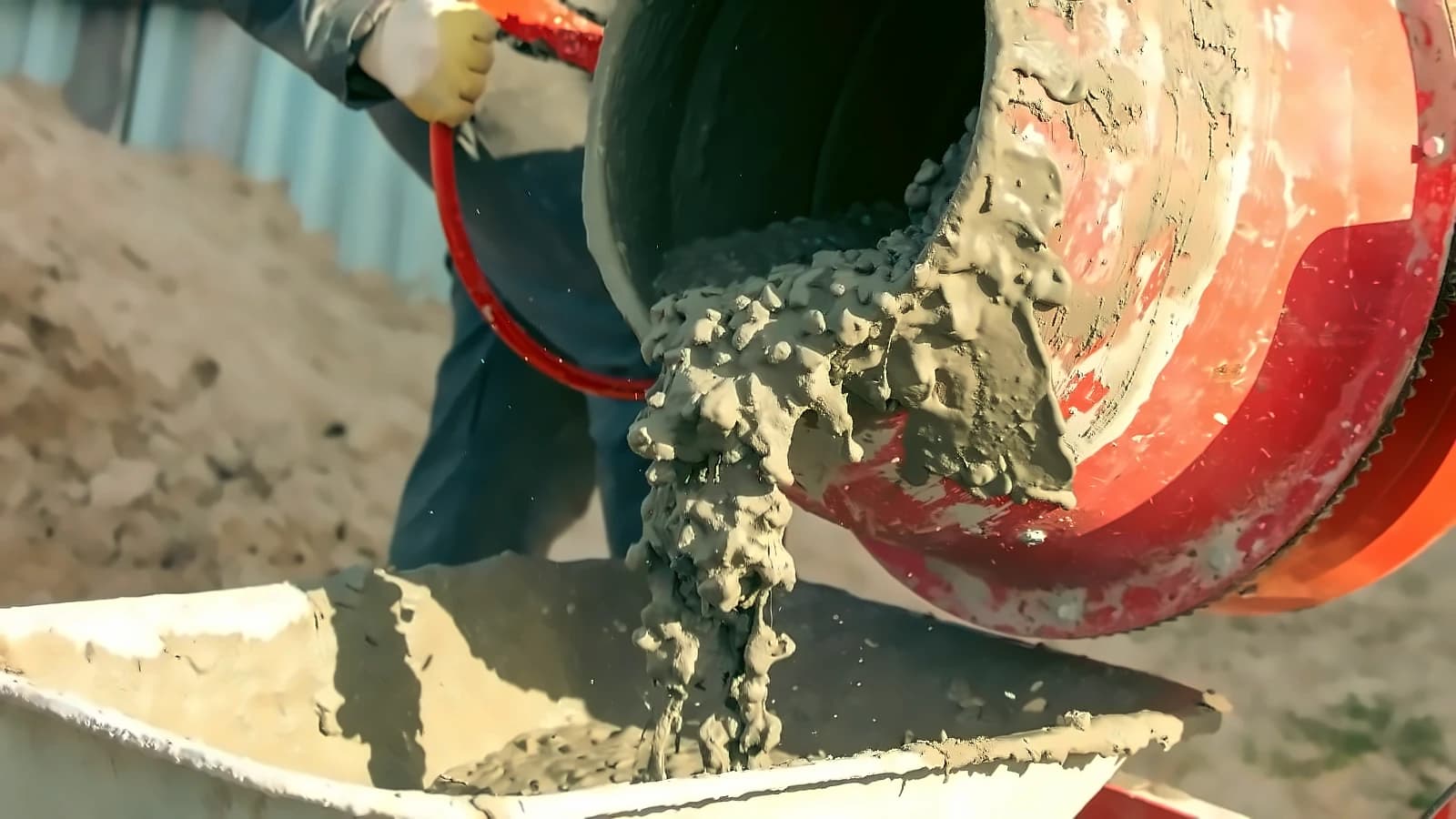
Despite volume growth, EBITDA per tonne declined significantly as inflation more than offset price hikes, with average EBITDA per tonne at about ₹820 in Q2FY27. UltraTech and Nuvoco Vistas were the only companies with YoY improvement, with EBITDA per tonne increasing 6.2% and 1.8% to ₹971 and ₹869, respectively. Cost inflation remains a major near-term concern, with Dalmia Bharat expecting a further ₹75-80 per tonne increase in fuel costs, while Nuvoco anticipates overall cost inflation of ₹100-120 per tonne quarter-on-quarter. UltraTech expects fuel costs at around ₹2.2 per kcal in H2, though companies are implementing renewable power capacity and using alternative fuels to offset these pressures.
While current valuations in the cement space are fair, the optimal investment strategy involves looking beyond the most efficient players. As reported by CNBC TV18, UltraTech Cement remains the best company in the space, but Adani group's Gujarat Ambuja Cement stands out as the superior investment opportunity. Despite a disappointing July-September quarter of 2026 (Q2FY27), the stock is expected to yield higher returns once its expansion and efficiency plans materialise. Beyond cement, Pandey identifies EMS companies like Amber Enterprises India and PG Electroplast as offering bigger upside potential, as these electronics manufacturing services firms secure price hikes with a lag, positioning them for stronger recovery as cost pressures ease. The sector outlook remains positive with given demand growth, there could be an earnings recovery driven by volumes and calibrated price hikes, assuming pricing discipline is maintained and any fuel cost moderation would trigger better realisations.