ICICI Securities has joined Ambit Capital in forecasting significant telecom tariff increases, with Pankaj Pandey, Head of Retail Research, expecting another 16-20% telecom tariff hike to improve 5G monetisation and cash flows. According to CNBC TV18, the brokerage expects this hike to be implemented as the sector approaches the December 2026 timeline. Pandey noted that limited competition could support long-term growth in the telecom sector, supporting the rationale for sustained pricing discipline. The forecast aligns with Ambit Capital's earlier prediction of a 15% tariff hike in December 2026, with both brokerages citing the need to improve average revenue per user (ARPU) while continuing network infrastructure investments. Pandey emphasized that telecom operators are entering a phase where investments in 5G can begin generating higher returns, with companies like Bharti Airtel already producing healthy free cash flows that can be invested in new growth areas.
The launch of Jio Prime membership, which locks plan prices until September 5, 2027, reflects the company's intent to hike prices in the coming months. As reported by The Financial Express, other signals include Airtel deciding to eliminate its 1.5 GB per day entry-level plan in August 2026 and increasing postpaid plan prices. Ambit expects the elimination of the entry plan to lift the average revenue per user (ARPU) by 4.4%. The brokerage also noted that assumptions in Jio Platforms' draft red herring prospectus point to data ARPU growing at a compound annual growth rate of 10.3% between FY26 and FY31. ICICI Securities' expectation of 16-20% tariff increases suggests the sector is preparing for more substantial pricing adjustments beyond the initial December hike, with Pandey noting that the last telecom tariff hike took place in July 2024 and expects another round of price increases.
Higher capital expenditure requirements for the industry have led to poor return ratios for Airtel and Jio. According to The Financial Express, for Airtel, the return on capital employed (RoCE), pre-tax was 11% in FY26 while it was 8% for Reliance Jio. The industry recorded a pre-tax return on capital employed of around 10% in FY26, below their cost of capital. This shows the industry does not have "excessive returns" yet, supporting the need for tariff increases. Ambit expects Bharti Airtel and Jio to clock revenue compound annual growth rates of 16% and 15% respectively between FY26 and FY29. Pandey highlighted that telecom operators are entering a phase where investments in 5G can begin generating higher returns, with companies such as Bharti Airtel already producing healthy free cash flows that can be deployed in new growth areas, such as data centers.
The brokerage expects Vodafone Idea to generate ₹17,100 crore of cash earnings before interest, tax, depreciation, and amortisation (EBITDA) in FY28, after the expected 15% tariff hike in December. As reported by The Financial Express, the company's statutory dues are ₹21,600 crore during the year, making survival dependent on consistent tariff hikes. Vodafone must raise ARPU to over ₹300 from the current ₹177. Ambit noted that "VI's survival requires consistent tariff hikes," while adding that the scale of increases need not be as high as in previous years. The brokerage estimates that the company needs to raise its ARPU to more than ₹300 by FY30 from ₹177 currently, to meet its financial requirements. Pandey emphasized that "you will have two strong players, and tariff hikes are required for Vodafone to survive," adding that the industry's structure supports long-term earnings visibility.
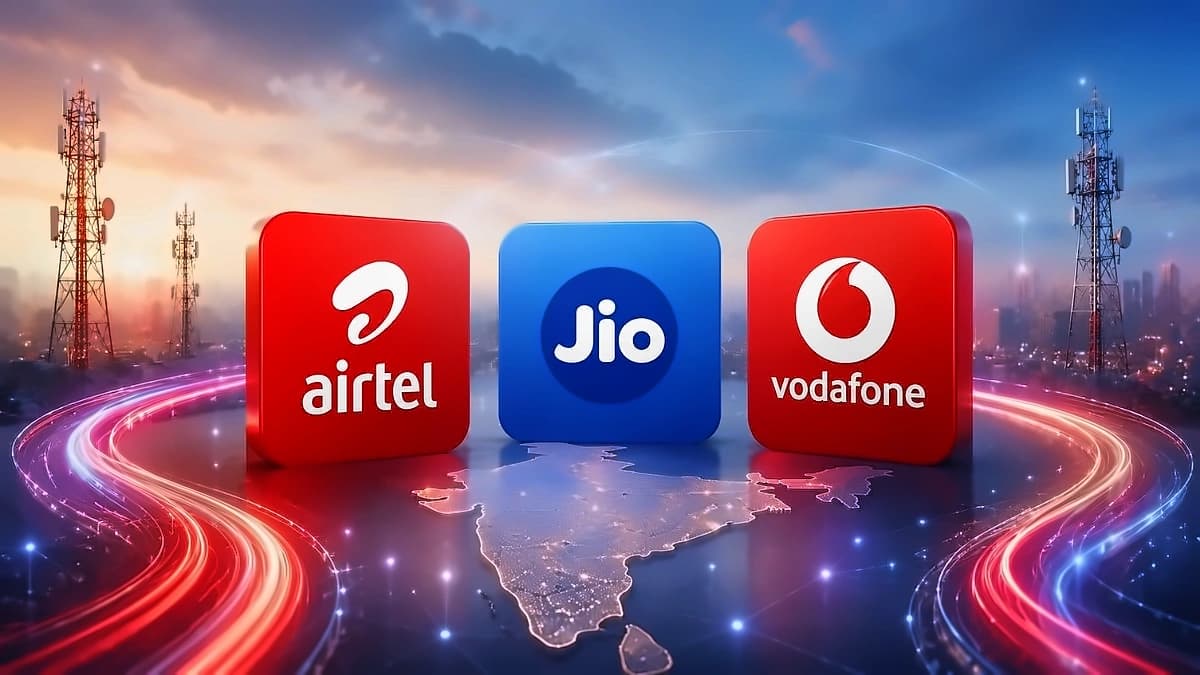
ICICI Securities has identified telecom as among Nifty's biggest sectors as the tariff hike nears, with the brokerage maintaining positive sector outlook. According to CNBC TV18, Pandey stated that "after BFSI, this is going to be the single or the biggest sector in terms of weightage in Nifty going forward." The firm also highlighted Radico Khaitan's premiumisation strategy and Piramal Pharma's expanding CDMO business as key investment themes. Among companies reporting quarterly earnings, Radico Khaitan delivered one of the strongest performances, with Pandey believing the premium spirits business will continue to drive growth despite higher input costs. He noted that Radico Khaitan's EBITDA margins have improved significantly from the 11-13% range seen a few years ago, supported by a richer product mix led by premium brands, with the company upgrading growth to 30%. ICICI Securities maintains a buy rating on both Radico Khaitan and Piramal Pharma, with Pandey highlighting that Piramal Pharma's contract development and manufacturing organisation (CDMO) business continues to perform well, with 54% of their revenue coming from CDMO which has grown at about 38%. The December tariff increase remains a brokerage forecast rather than a confirmed announcement by telecom operators.