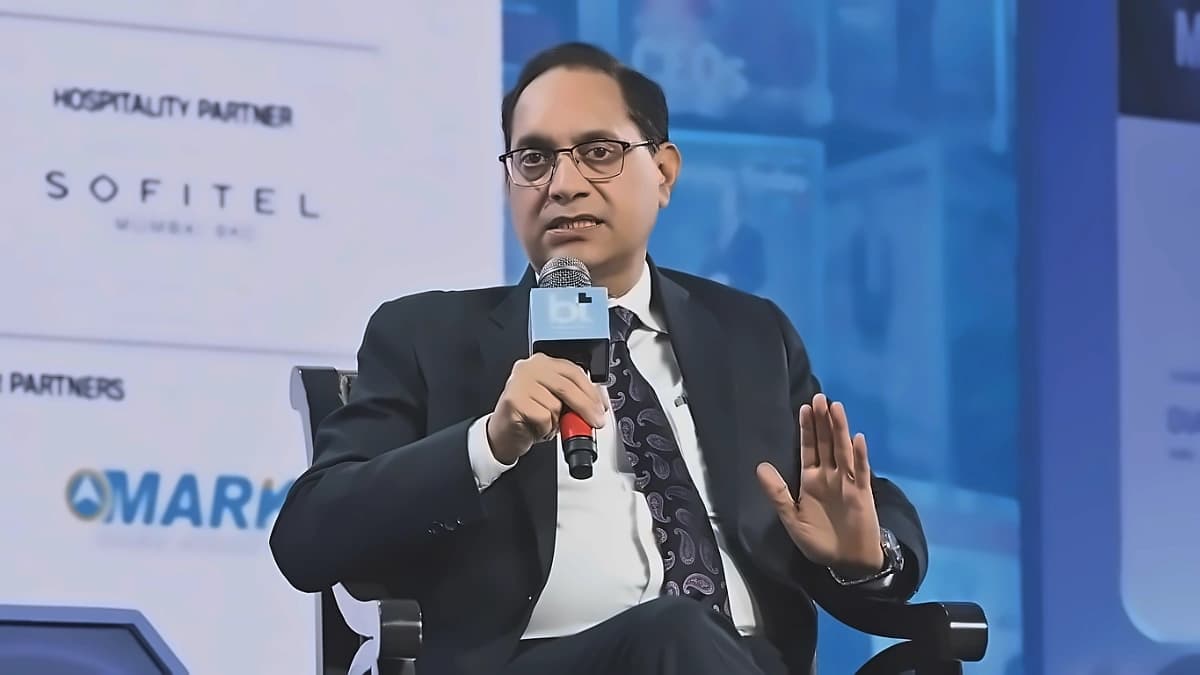
Sebi whole-time member Sandip Pradhan emphasized that regulatory flexibility for alternative investment funds (AIFs) should be viewed as a transfer of greater responsibility to the industry, rather than merely a relaxation. Speaking at the Confederation of Indian Industry (CII) summit on alternative investments, Pradhan outlined that regulation would increasingly need to be data-driven and risk-based as the sector expands. He noted that while the industry seeks greater flexibility in investment structure, co-investment, leverage, and government surrounding, the increasing size and interconnectedness of private markets requires greater attention to governance, conflict of interest, valuation transparency and investor protection.
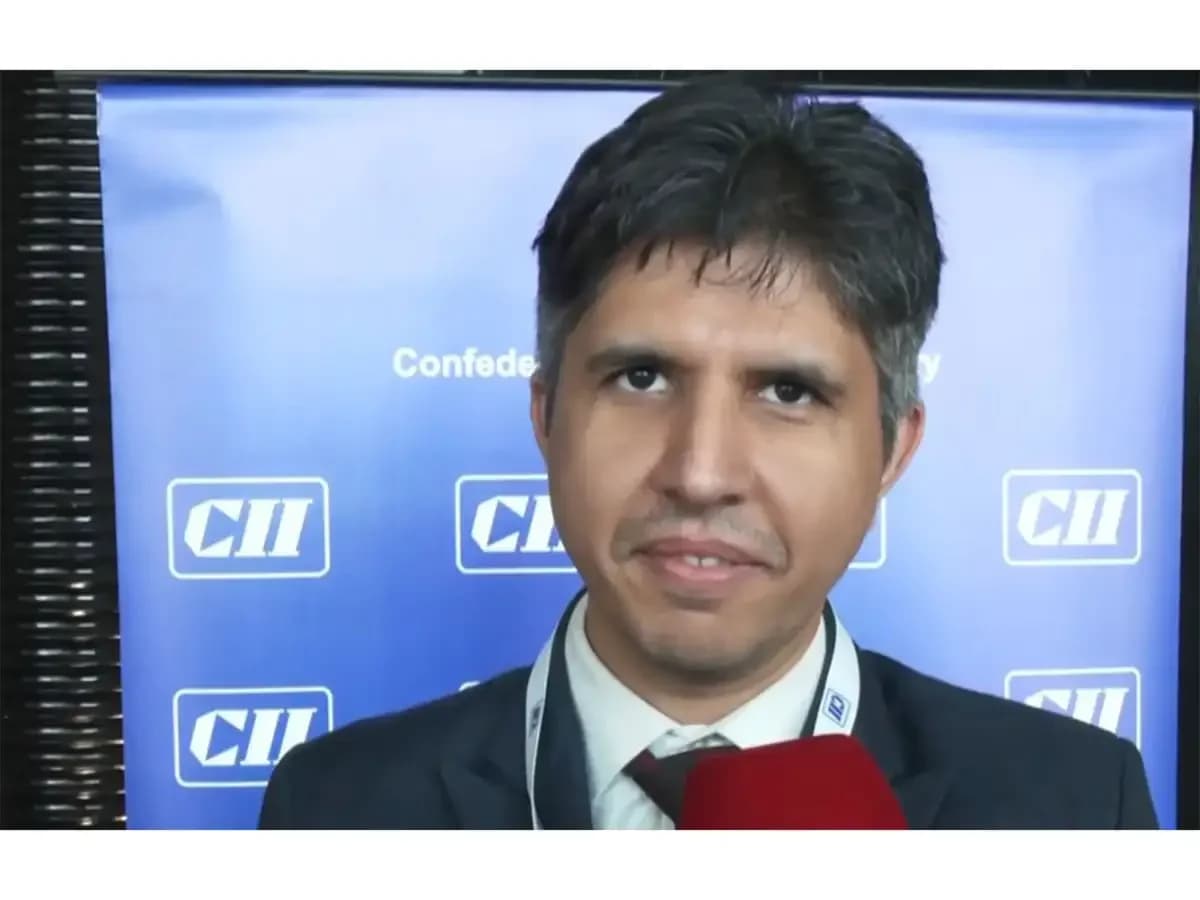
The markets regulator expects its revised accreditation framework to significantly expand the pool of accredited investors, potentially taking the number to four lakh from around 2,000 currently, as reported by The Hindu BusinessLine. The changes could take the number of accredited investors to four times the existing total AIF investor base of around one lakh. SEBI's board approved changes to the accreditation framework in September, including allowing investors to qualify based on their securities market investments and permitting fund managers to determine investors' accredited status. Pradhan said the revised framework would help widen participation by investors who have the financial capacity to take on higher risks, with a circular detailing the approved changes to be issued soon.
India's Alternative Investment Fund (AIF) industry has significant growth potential and could play a crucial role in the country's economic expansion, according to Mayank Jha, Managing Director and Partner at Boston Consulting Group (BCG). Speaking at the 4th CII Alternative Investment Fund Summit 2026, Jha highlighted that alternative assets account for just 6 per cent of India's asset management industry compared with 19 per cent globally. As reported by The Economic Times, Jha emphasized that "the opportunity of alternative assets to become important in the growth of the Indian economy is certain...there is a lot of headroom to get there."
Highlighting the growth potential of the AIF industry, Jha compared the sector's current position to India's mutual fund industry. According to The Economic Times, AIF commitments are currently at ₹17.5 lakh crore, which Jha noted is similar to where India's mutual fund industry stood in 2016. He expects the AIF sector to follow a similar trajectory, stating that "we are expecting the amount of capital that India needs for Viksit Bharat. This is the kind of commitment of capital on the private side that will be needed and AIF will be a very crucial lever to drive it."
According to Jha's comments reported by The Economic Times, the framework for attracting foreign capital needs continued enhancement. He suggested that "there can be multiple policy interventions in that" to make India more attractive for international investment. Pradhan echoed this sentiment, emphasizing that investment committees, compliance officers, trustees and senior management must ensure that the flexibility available to the industry is used responsibly. He urged the industry to come forward with "rigorous, data-backed" proposals, stating that a responsive regulatory regime could only be co-created through mature and proactive submissions. The regulator also wants the industry to play a more active role in shaping rules, with Pradhan calling for "rigorous, data-backed" proposals from market participants.