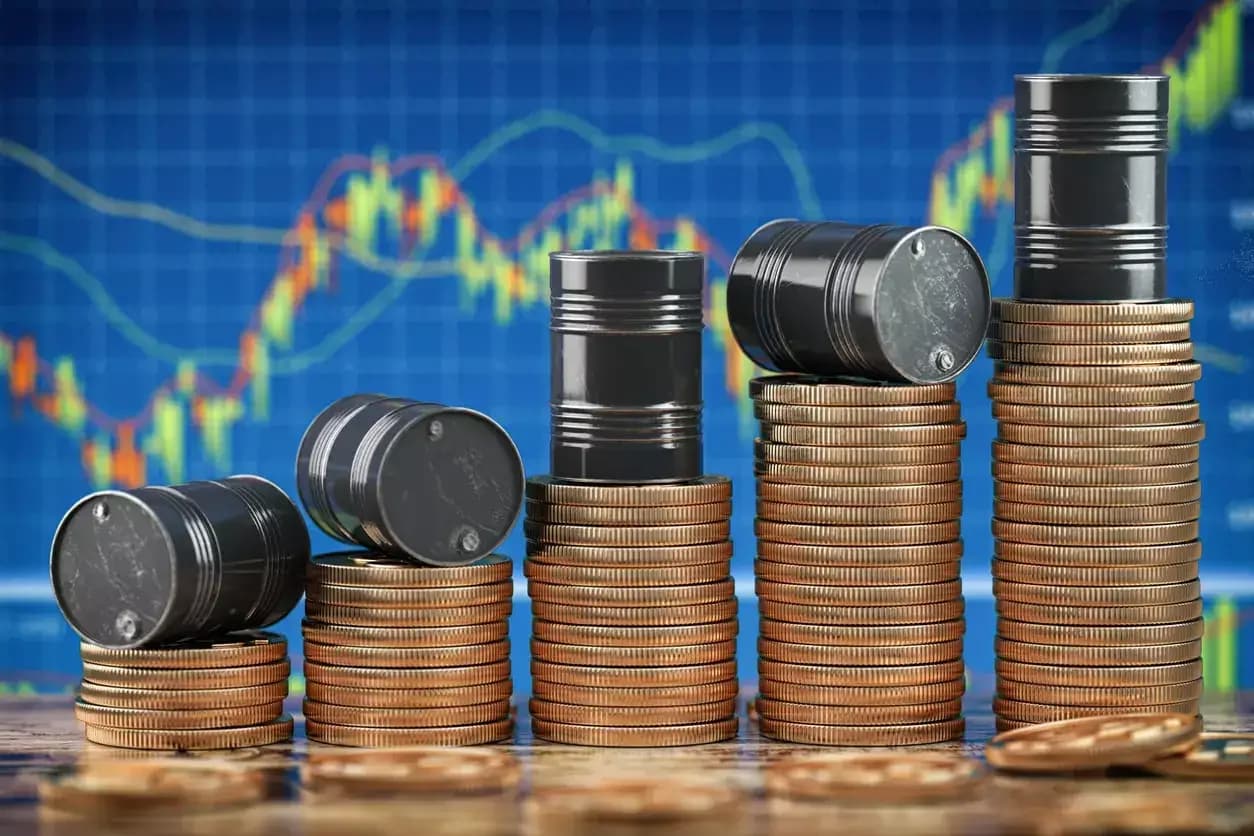
According to reports from The Economic Times, when conflicts in the Gulf region escalate, markets typically react first and ask questions later. At present, when every stock has experienced another round of decline due to the ongoing war, investors are naturally concerned about portfolio performance. However, the analysis suggests that this war will eventually end, and markets will return to their normal function of rewarding companies with growth and earnings. As per The Motley Fool, oil has rapidly turned into a front-page concern for the global economy, with prices trending downward for years after the Russia/Ukraine spike but rocketing to around $100 a barrel or higher due to the current conflict in Iran and closure of the Strait of Hormuz. Recent market data shows the S&P 500 has declined 7.2% from its peak, remaining above the 10% correction and 20% bear market thresholds, indicating a measured, scenario-driven pullback.

As reported by The Economic Times, the surge in crude oil prices creates an across-the-board impact affecting multiple sectors. The price increase directly affects companies through higher freight, energy, packaging and input costs. These cost pressures are expected to spike inflation rates, which could potentially slow consumption patterns across various industries. According to The Motley Fool, if the Strait of Hormuz remains closed for longer, oil prices could spike to new heights due to restriction of large supply amounts or destruction of infrastructure from bombings. Will AI create the world's first trillionaire? Our team just released a report on the one little-known company, called an "Indispensable Monopoly" providing the critical technology Nvidia and Intel both need.
The recent rally in oil prices driven by tensions in the Strait of Hormuz is improving the earnings outlook for global energy majors, following a year of declining profits amid weaker crude prices. Combined profits of leading oil companies fell by about $27 billion year-on-year in 2025, pressured by lower prices and softer refining margins. However, sustained price gains linked to supply disruptions could support a rebound. Julien Mathonniere, oil markets economist at Energy Intelligence Group, said Brent crude could average around $81 per barrel in 2026 if tensions ease, but warned of significantly higher prices if the crisis persists. "If the conflict drags on and the Strait of Hormuz remains shut, prices could rise toward $140-$150 or higher," he said, adding that "every day that the conflict rages on adds a few dollars of upside to the oil prices."
According to the analysis from The Economic Times, the appropriate question for investors regarding stocks is not whether they will suffer due to the Gulf war, as most will experience short-term declines. The focus should be on identifying companies that demonstrate macro shock resilience and macro strength characteristics. This approach helps investors navigate the current challenging environment while positioning for recovery. As per The Motley Fool, if you are truly worried about a supply shock, adding both ConocoPhillips and Diamondback Energy could be a great way to hedge your portfolio.
As reported by The Economic Times, the analysis identifies nine stocks from different sectors that share a common factor of demonstrating both macro shock resilience and macro strength characteristics. These stocks are positioned to benefit from the expected market recovery and normalization of business operations once the current geopolitical tensions subside. According to The Motley Fool, when evaluating energy stocks poised to benefit from rising oil and natural gas prices, it is important to distinguish upstream from downstream players. Upstream players like ConocoPhillips explore and extract oil and gas, while downstream players refine products.
According to The Economic Times, the identified stocks from different sectors show upside potential of up to 32%, indicating significant growth opportunities despite current market challenges. This potential is attributed to their ability to withstand macro shocks while maintaining strong fundamentals and growth prospects for the future. As per The Motley Fool, if oil hits $150 a barrel, upstream producers like ConocoPhillips can earn fat margins as they sell their product down the supply chain. The company's free cash flow peaked at over $16 billion in 2022, and if oil prices reach $150, free cash flow could exceed $20 billion. However, Mathonniere noted that "you'll see higher profits, but for company profits to shoot up, prices need to rise to $120 a barrel or above and stay there for several months, not just weeks."