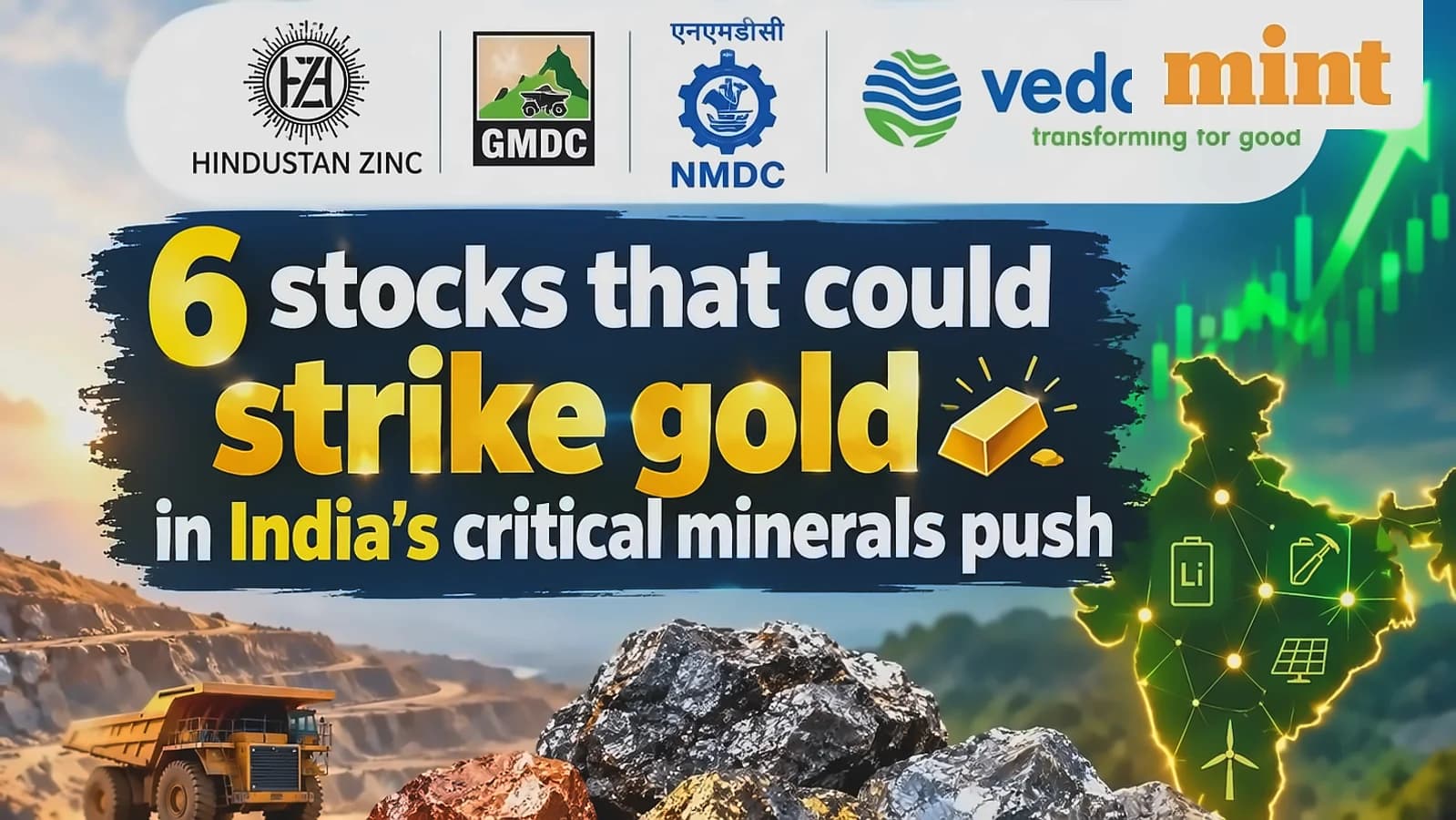
Six major Indian metal companies are positioned to capitalize on India's critical minerals strategy, which has evolved from policy to multi-decade industrial imperative. According to Gaurav Bhandari, CEO of Monarch Networth Capital, India's critical minerals strategy is no longer just policy, it is becoming a multi-decade industrial imperative. Budget 2026 dedicated Rare Earth Corridors across Odisha, Andhra Pradesh, Kerala, and Tamil Nadu, while KABIL is actively securing overseas lithium assets in Argentina. As reported by Swastika Investmart, these companies are strategically positioned to benefit from the National Critical Mineral Mission, the ₹7,280-crore rare-earth permanent magnet scheme and dedicated mineral corridors. The latest developments show India is throwing ₹34,300 crore behind its National Critical Mineral Mission, significantly expanding the government's commitment to securing critical mineral supply chains.
Vedanta has secured 10 out of all the 55 critical mineral blocks that were auctioned till October 2025, positioning itself as a diversified player across zinc, aluminium, and copper. The Anil Agarwal-led company covers critical minerals including cobalt, rare earth elements (REEs), vanadium, graphite and potash. According to reports, Vedanta stock closed 2.7% lower at ₹257.2 per share on BSE with a market capitalisation of ₹1,00,575.18 crore on Tuesday, September 15. As noted by market experts, Vedanta carries higher leverage despite its diversified exposure.
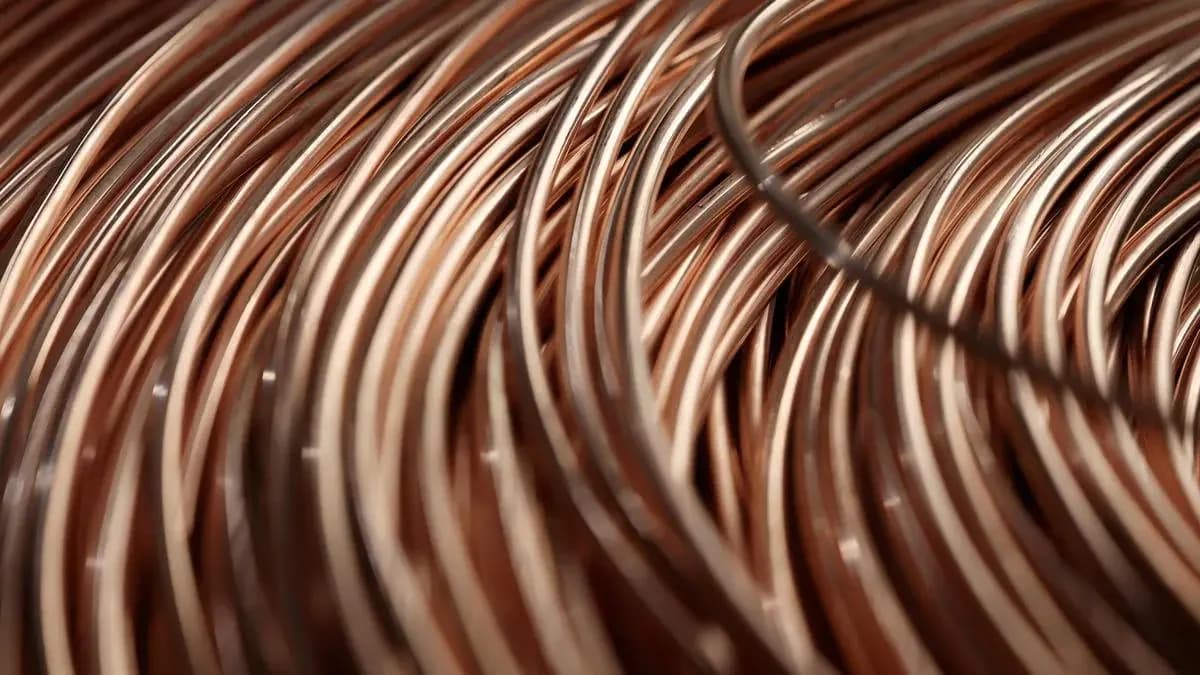
Hindustan Copper stands out as the strongest fundamental play among listed players, being India's only vertically integrated copper miner with strategic monopoly positioning. As reported by market experts, copper demand is surging from EVs, renewables, 5G infrastructure, and AI data centres. Hindustan Copper stock closed 4.34% lower at ₹492.05 per share on BSE with a market capitalisation of ₹47,582.42 crore on Tuesday. The company's vertically integrated operations and strategic positioning in critical copper applications make it particularly well-positioned for the growing demand from emerging technologies.
Hindustan Zinc has the strongest near-term case after securing monazite and other critical-mineral blocks and actively diversifying beyond zinc. According to Santosh Meena from Swastika Investmart, the company became one of India's first private players to secure a rare earth (monazite) block, a land-based, non-radioactive deposit. Hindustan Zinc stock closed 2.61% lower at ₹561 per share on BSE with a market capitalisation of ₹2,37,040.40 crore on Tuesday. The company's diversification into critical minerals beyond its core zinc operations positions it well for the evolving market demands.
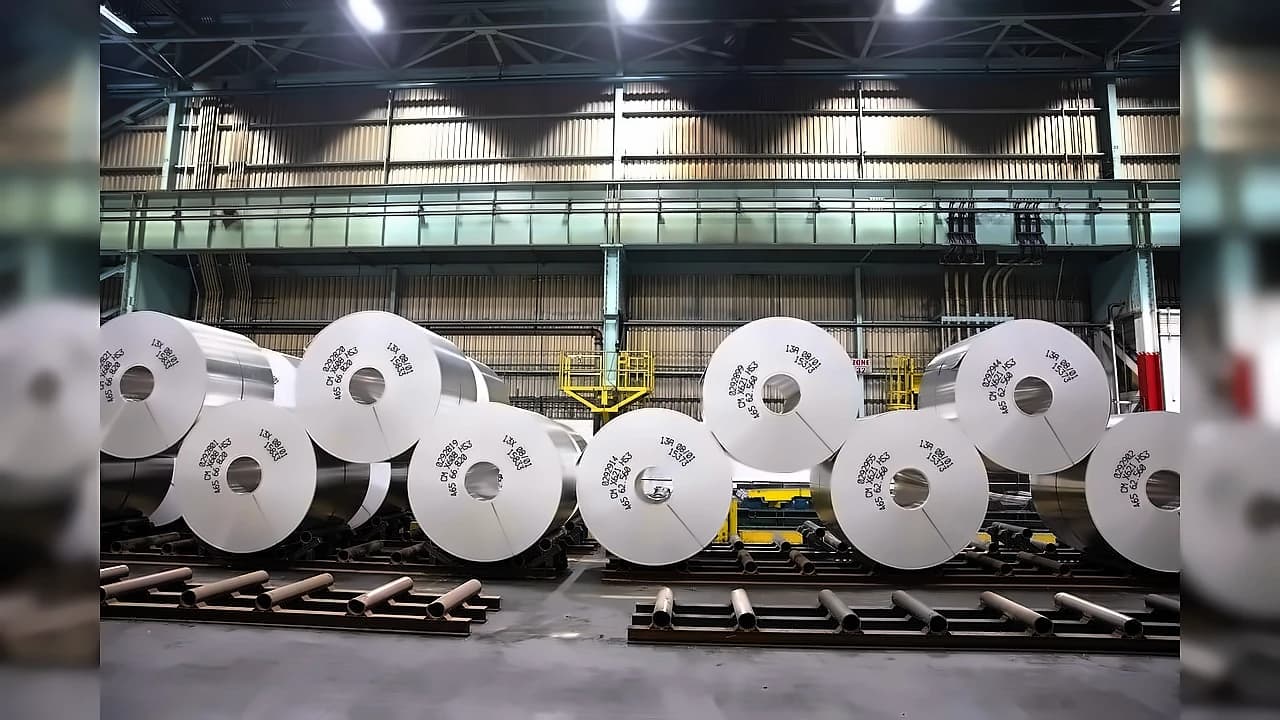
Domestic demand for non-ferrous metals is set to rise 8-9% in FY27, driven by global supply disruptions and low inventories that have triggered price increases of 30-40% across April-August 2026. According to ICRA estimates, higher metal prices may support a 400 basis points expansion in operating margin to around 35% for the sector on aggregate. The London Metal Exchange (LME) July prices showed strength compared to June, with August seeing LME spot prices for aluminium, copper, zinc, lead, and nickel all rise month-on-month. LME aluminium prices increased 3% M-o-M to $3,251/tonne in August, which is 25% up Y-o-Y, with spot prices at $3,345/tonne indicating further strengthening in September.