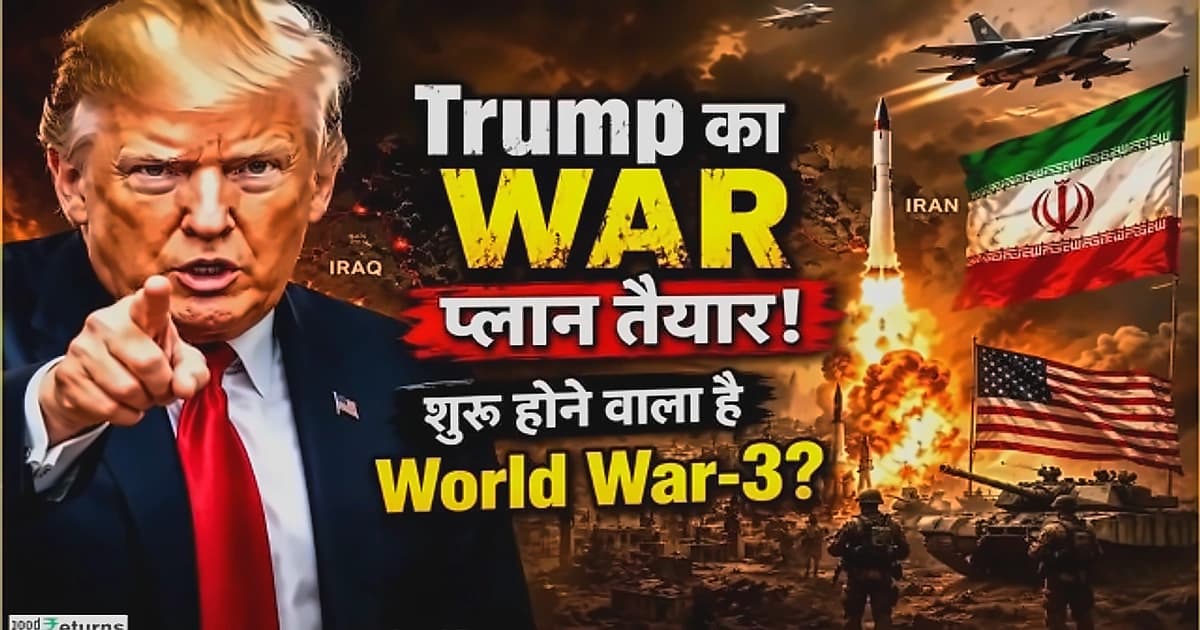
According to CNBC and Fortune, President Trump is deploying significant military assets to the Middle East as the Gulf war enters a critical phase. The USS George H.W. Bush aircraft carrier is headed for the region, with the USS Gerald Ford due to rejoin after repairs in Croatia, bringing the total to three carriers in the fight. Additionally, several thousand ground troops are assembling, including the 11th Marine Expeditionary Unit and paratroopers from the 82nd Airborne Division. Despite these escalations, markets have largely rallied over the past week on hopes that the war could end soon, easing supply pressure on global oil markets. However, countries in Asia, which gets most of its energy from the Persian Gulf region, have already started rationing supplies as the Strait of Hormuz remains closed.

According to The Economic Times, the most difficult aspect of investing in large-cap stocks is staying invested in businesses while ignoring external noise. The report emphasizes that businesses creating long-term wealth are characterized by long demand runways, strong competitive positions, and competent management. Current market disruptions, including potential Gulf war impacts, are described as noise where the market is concerned - loud and uncomfortable, but ultimately manageable. The analysis suggests that while these disruptions may create short-term volatility, they represent temporary market distractions rather than fundamental business challenges. As Fortune reports, Trump has alternated between threats to obliterate Iran's economy and claims that the U.S. is in talks with the regime, giving investors whiplash as Wall Street tries to figure out how much longer the war will take.
As reported by The Economic Times, the current noise level is particularly high due to disruption in energy supply chains that are critical for India. However, this is not the first time such market disruptions have occurred, and it will not be the last. The report warns that these stocks could fall further even from current levels, whether the Gulf war continues or not. The primary concern stems from large institutional investors potentially facing selling pressure, which could create additional downward pressure on these specific stocks regardless of geopolitical developments. Recent market analysis shows that since the war began, the final trading day of each week has produced an average decline of 1.28%, though this pattern was recently broken by an unexpectedly positive session. According to Fortune, the president is going to have to make a decision whether he wants to go all in or whether he wants to take an offramp by mid-April, when all additional combat power will be in place.
According to The Economic Times, the analysis identifies 19 stocks from different sectors that are recommended for holding despite current market conditions. The report specifically notes that these recommendations are based on these stocks being owned by large institutional investors, suggesting that institutional backing provides some stability during volatile periods. The portfolio spans multiple sectors, indicating a diversified approach to navigating current market uncertainties. As Fortune reports, the president is actually using those military assets once they're in theater, whether it was during the 12-day war against Iran or against Maduro in Venezuela, suggesting a consistent strategy of managing market conditions while prosecuting military operations.
As reported by The Economic Times, the analysis acknowledges that expecting these stocks to remain unaffected by another wave of selling is foolhardy. The report emphasizes that investors should be prepared for continued volatility and potential further declines. The recommendation focuses on learning to live with and manage the noise rather than attempting to predict or avoid market disruptions entirely. This approach suggests a defensive investment strategy during periods of heightened geopolitical uncertainty. According to Fortune, the administration is trying to manage oil prices, manage the markets, keep them under control in order to prosecute this war longer and further degrade Iran's military capabilities, creating a complex dynamic where market management strategies intersect with military objectives.