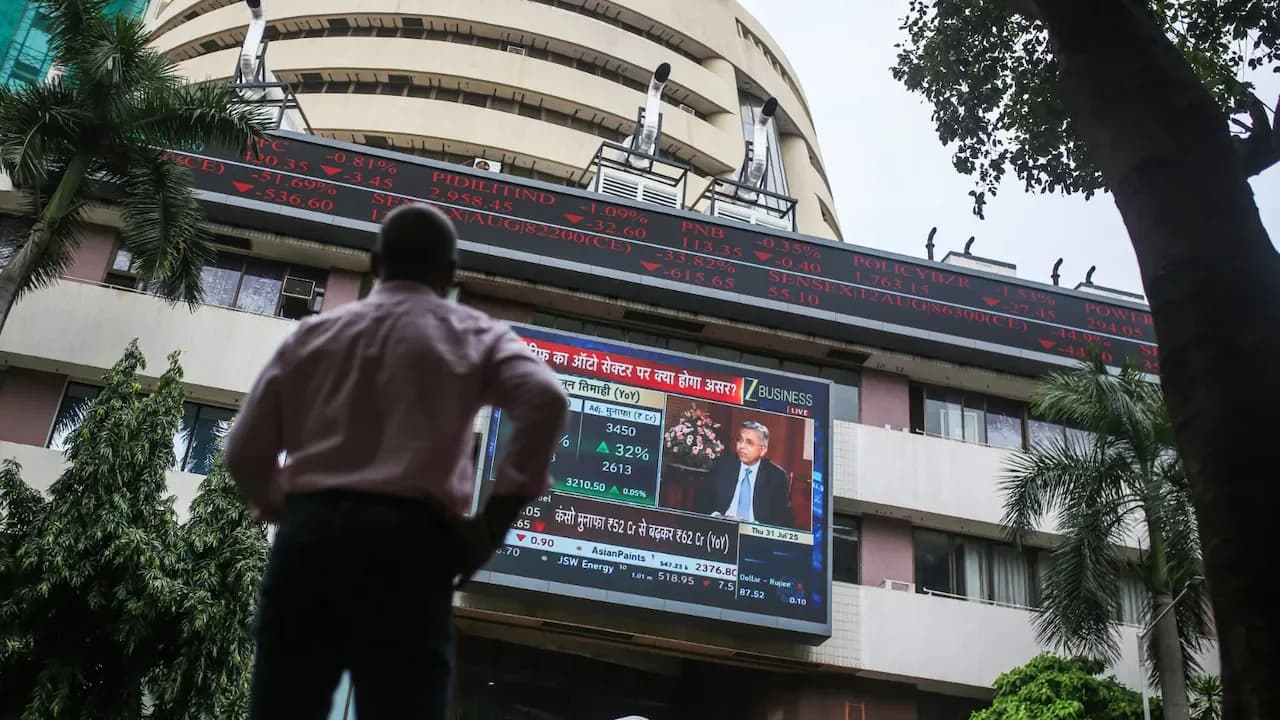
A consolidated view of market events, assembled from diverse sources.

According to Ventura's Bharat K. Gala, Tata Elxsi, Zensar Technologies, and Havells India have shown technical recovery signs after recent declines, with each stock demonstrating breakout patterns and positive momentum indicators. The IT and consumer durables stocks are positioned for potential gains with specific target prices and risk management levels identified.
DAM Capital has re-initiated coverage on Redington with a Buy rating and ₹470 target price, representing 20% upside potential, citing memory shortage-driven price increases and distributor consolidation benefits. The brokerage expects Redington's revenue to grow at 17% CAGR over FY26-29E with PAT growing at 20% CAGR, supported by elevated DRAM and NAND prices and the company's strong balance sheet position.

According to Shriram AMC's Prateek Nigudkar, the first half of FY27 has witnessed significant divergence between large-cap and small-cap segments, with Nifty 50 rising only 1.3% while Nifty Smallcap 250 gained 24.6%. Despite large-cap valuations now appearing attractive relative to historical averages, Nigudkar remains positive on banking, auto, power, and healthcare sectors, while maintaining selective positions in real estate and telecom.

Jewellery stocks have significantly outperformed gold ETFs this year, with TBZ leading gains at 298% while gold ETFs rose only 7-10%. The festive season is driving a shift in consumer behavior as Indians exchange old jewellery for new designs rather than reducing purchases, with gold exchanges now accounting for over 50% of transactions at major retailers like Tanishq and Kalyan Jewellers.


Indian FMCG companies are experiencing significant margin pressure despite strong 13% revenue growth, with analysts forecasting 45-150 basis points decline in operating margins due to rising input costs and weak monsoon impact on rural demand. The Nifty FMCG index has fallen 18.8% this year, making it the second-worst performing sector, while companies like Hindustan Unilever and Britannia face steepest margin hits of 150-137 basis points respectively.

HSBC analysts report that India's valuations have become more reasonable with Nifty 50 trading at 16x forward P/E, making the market attractive despite expected earnings growth of only 11-12% in FY27. The brokerage favors private banks, NBFCs, and industrials while warning of risks from elevated oil prices and rising bond yields, with the rupee expected to find near-term support.

Global investment bank Nomura has initiated coverage on three Indian stocks with buy ratings and upside potential of up to 32%, including Paytm at ₹2,250 target price (32% upside), Dhoot Transmission at ₹1,800 (22.7% upside), and Bharti Hexacom at ₹1,870 (19.1% upside). The recommendations are based on structural growth drivers including merchant lending expansion, EV adoption, and telecom tariff hikes across the Indian market.

Analysts are positioning logistics and quick commerce companies as proxy plays for India's consumption theme, driven by rising demand for faster deliveries and convenience-led spending. While Shadowfax Technologies has surged 168% since its IPO, mixed performance across the sector highlights varying execution capabilities and competitive pressures in the evolving consumption landscape.

Investing.com India analyzes five stocks showing breakout potential, with Nasdaq leading as the cleanest rectangle setup targeting ₹123.80, while Signet Jewelers offers the most ambitious upside potential reaching ₹236 if resistance is cleared. The analysis emphasizes waiting for market confirmation through volume expansion and technical triggers rather than predicting valuations, with key risk factors including false breakouts and resistance rejections.

DAM Capital has identified Hindustan Aeronautics (HAL), Bharat Dynamics (BDL), and Mishra Dhatu Nigam (MIDHANI) as top picks among defence PSUs, with target prices of ₹6,300 (27.9% upside), ₹1,540 (36.9% upside), and ₹430 (8% upside) respectively. The brokerage expects India's defence sector to enter a new growth phase driven by rising domestic procurement, localisation, and technology capabilities, with potential ₹5 trillion order opportunities from proposed programmes.