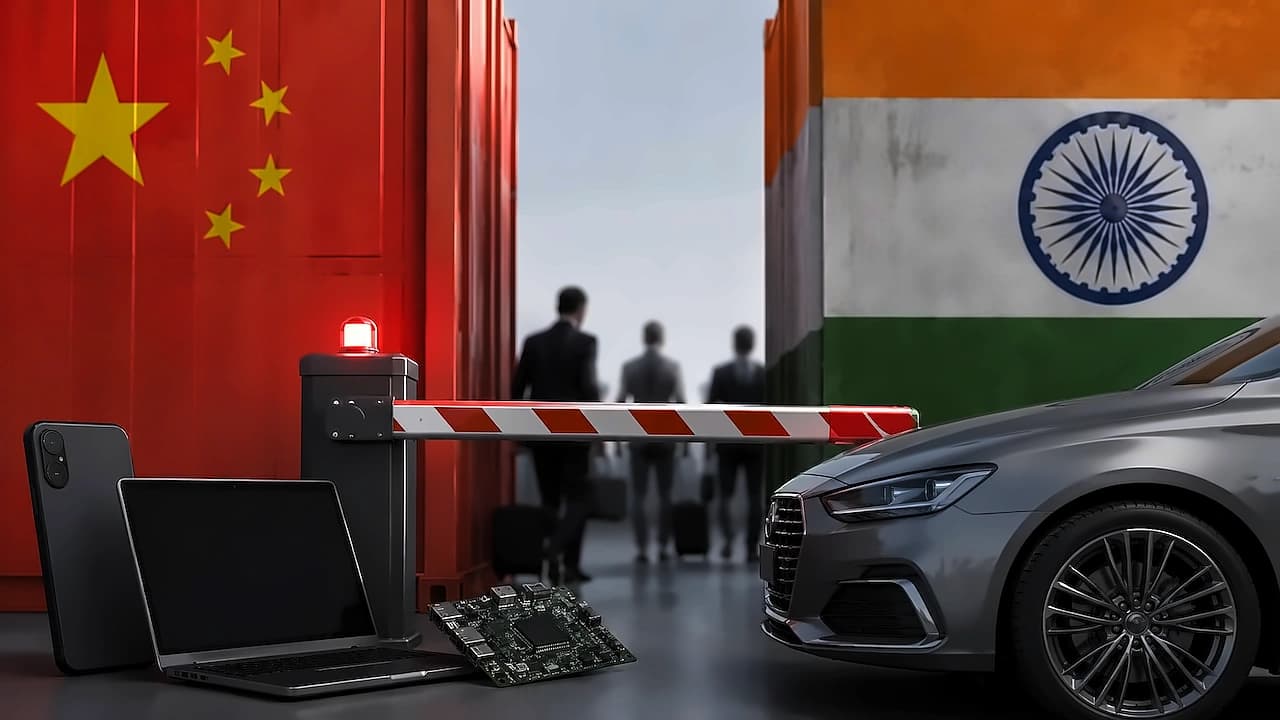
Commerce and industry minister Piyush Goyal announced on Friday that trade talks with the US are progressing steadily, with both sides working on the final details. According to reports from The Times of India, Goyal stated at the ET Startup Awards 2026 held in Bengaluru that the fine print is being worked out between the two nations. However, latest developments show that U.S.-India relations face fresh strains as trade talks stall, with visa restrictions targeting Indian companies creating additional tensions. This comes after USTR Jaimeson Greer indicated that a deal was not imminent, and FM Nirmala Sitharaman stated that talks had hit a plateau.
As trade talks stall, India is deepening partnerships with Europe, Canada, Africa and other middle powers to diversify its trade and strategic options. According to The Hindu's Worldview episode, this strategic pivot comes as India seeks to diversify its trade and strategic options beyond the traditional U.S. relationship. The diversification strategy reflects New Delhi's efforts to reduce dependence on any single major power and expand its global partnerships across multiple regions.
The minister highlighted that tighter access to H-1B visas could significantly benefit India by encouraging skilled professionals to stay back in the country. According to The Times of India, Goyal stated that every H-1B visa not granted represents a big win for India. He noted that this policy change could bring more technology work to the country and boost the startup ecosystem, potentially creating new opportunities for Indian professionals in the tech sector. Goyal emphasized that the key issue involves comparative advantage that India had agreed upon in February, which requires legal expertise that AI cannot provide.
Former HCL Technologies CEO Vineet Nayar has highlighted how US visa restrictions on major technology companies may accelerate the transfer of high-value technology work to India. In a post on X, Nayar noted that the US move to restrict several major technology companies from using the Permanent Labour Certification Program (PERM) could have an unintended impact by encouraging American companies to shift more high-value technology work to India. Indian IT companies accounted for fewer than 1,400 of the 117,849 PERM certifications issued last year, representing less than 2 per cent of the total. Nayar emphasized that this suggests the direct impact on Indian IT firms could be limited while the opportunity lies in architecture, product engineering, cybersecurity, AI implementation, industry solutions and eventually ownership of products and IP.