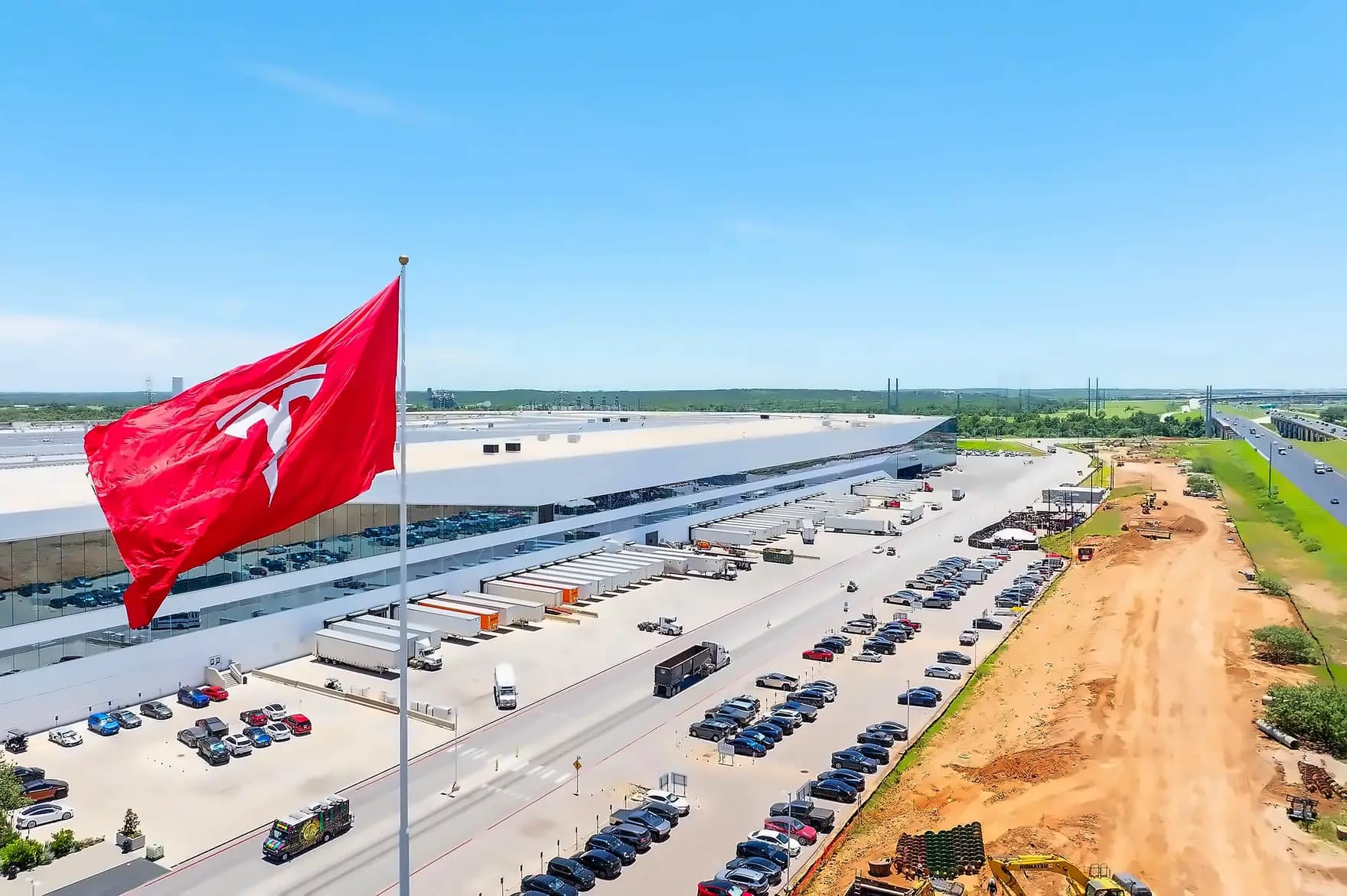
Tesla and Samsung are among the major US companies opposing additional tariffs on Vietnamese goods, according to submissions reviewed by Reuters. Tesla specifically asked the US Trade Representative on July 2 to "take into account the supply chain needs of American manufacturers," citing that certain advanced components and precision manufacturing equipment are not available from domestic suppliers despite significant US manufacturing investments. Samsung's US subsidiary has expressed similar concerns, as Vietnam accounts for a substantial share of the South Korean company's smartphone and network equipment production for the American market. Samsung is also Vietnam's largest foreign investor with investments of around $25 billion in the country, with the company also expanding its semiconductor operations in Vietnam, including plans for a $1.5 billion chip-testing facility as reported by Reuters.
Vietnamese goods currently face a 12.5% US tariff imposed in July following an investigation into alleged failures to prevent imports of goods produced using forced labour. According to Reuters, economists believe the administration may seek to restore at least the same level of tariffs that were overturned by the US Supreme Court. The country previously faced 20% tariffs under Trump's reciprocal tariff programme, which were subsequently struck down by the US Supreme Court. US goods imports from Vietnam reached approximately $176.1 billion in the first eight months of 2026, making it the US's largest trading partner by goods surplus ahead of China and Mexico. Vietnam was the US's fourth-largest trading partner by goods surplus at the end of 2025.
The US Trade Representative launched a trade investigation in May into Vietnam's alleged failure to protect intellectual property rights, with the Trump administration approaching a November 29 deadline to complete the investigation. Washington has accused Vietnam of "a persistent failure to resolve longstanding concerns about IP protection and enforcement" and has designated Vietnam as a "priority foreign country," making it the first jurisdiction in 13 years to be placed in the most serious category of the US intellectual property watchlist. The administration launched a Section 301 investigation on May 29 to determine whether Vietnam's practices were unreasonable or discriminatory and restricted US commerce. Vietnam has urged the US to conduct its investigations objectively, while the findings could lead to additional trade measures, although Washington has not specified whether any tariffs would apply broadly or target particular sectors.
While major companies oppose additional tariffs, several US industry groups representing steel, seafood, solar panel and wood product manufacturers have accused Vietnam of unfair trade practices and urged the US government to impose new tariffs to protect domestic producers. Retail groups and trade associations representing companies in footwear, apparel, bicycle and video game console industries have warned against additional tariffs due to their manufacturing links with Vietnam. The Motion Picture Association has also alleged that Vietnam is a major centre for online piracy, with websites hosted in the country distributing illegally copied films and television programmes that attracted more than 12.5 billion visits worldwide last year. Software, film and music industry associations have separately demanded stronger action against intellectual property violations, with the Business Software Alliance criticising Vietnam's enforcement record, citing a 2017 survey showing around three-fourths of software installed on personal computers in Vietnam was unlicensed. The tariff debate comes as Vietnamese exports to the US surged 42% during the first eight months of 2026 compared with the corresponding period in 2025, making it Washington's largest goods-trade deficit partner ahead of China and Mexico.