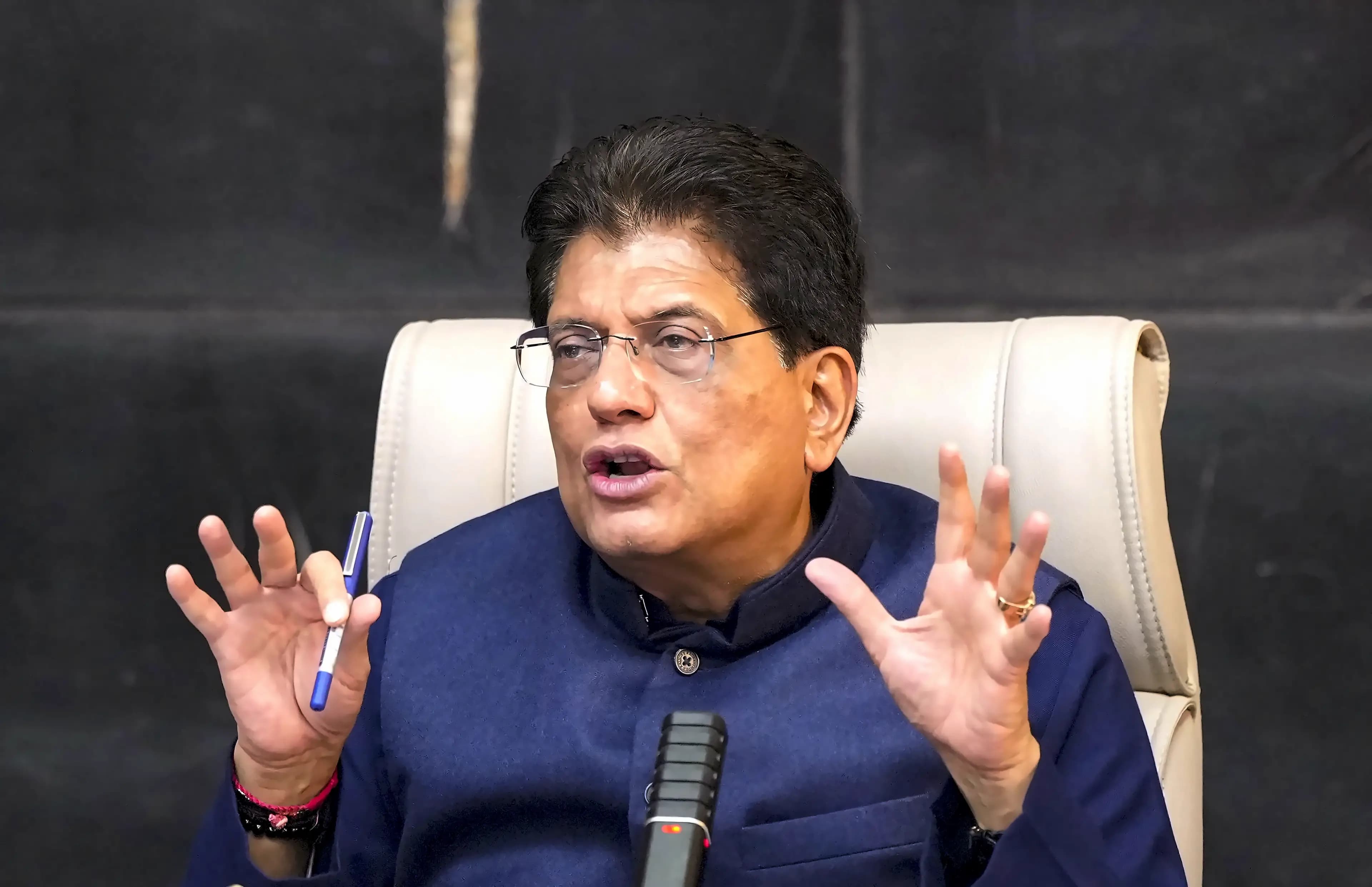
Union Commerce & Industry Minister Piyush Goyal concluded his high-level Berlin visit on October 22, 2026, delivering tangible progress on India-Germany bilateral cooperation. According to latest reports, Goyal held extensive discussions with German Minister Katherina Reiche focusing on industrial cooperation, business opportunities, and the proposed India-EU Free Trade Agreement (FTA). The visit included the joint inauguration of the India Centre at the German Council on Foreign Relations (DGAP) and participation in the Berlin Global Dialogue, where Goyal emphasized trust and resilient supply chains. The meetings also featured senior executives from major German companies including Bayer, Knauf, and Fresenius.
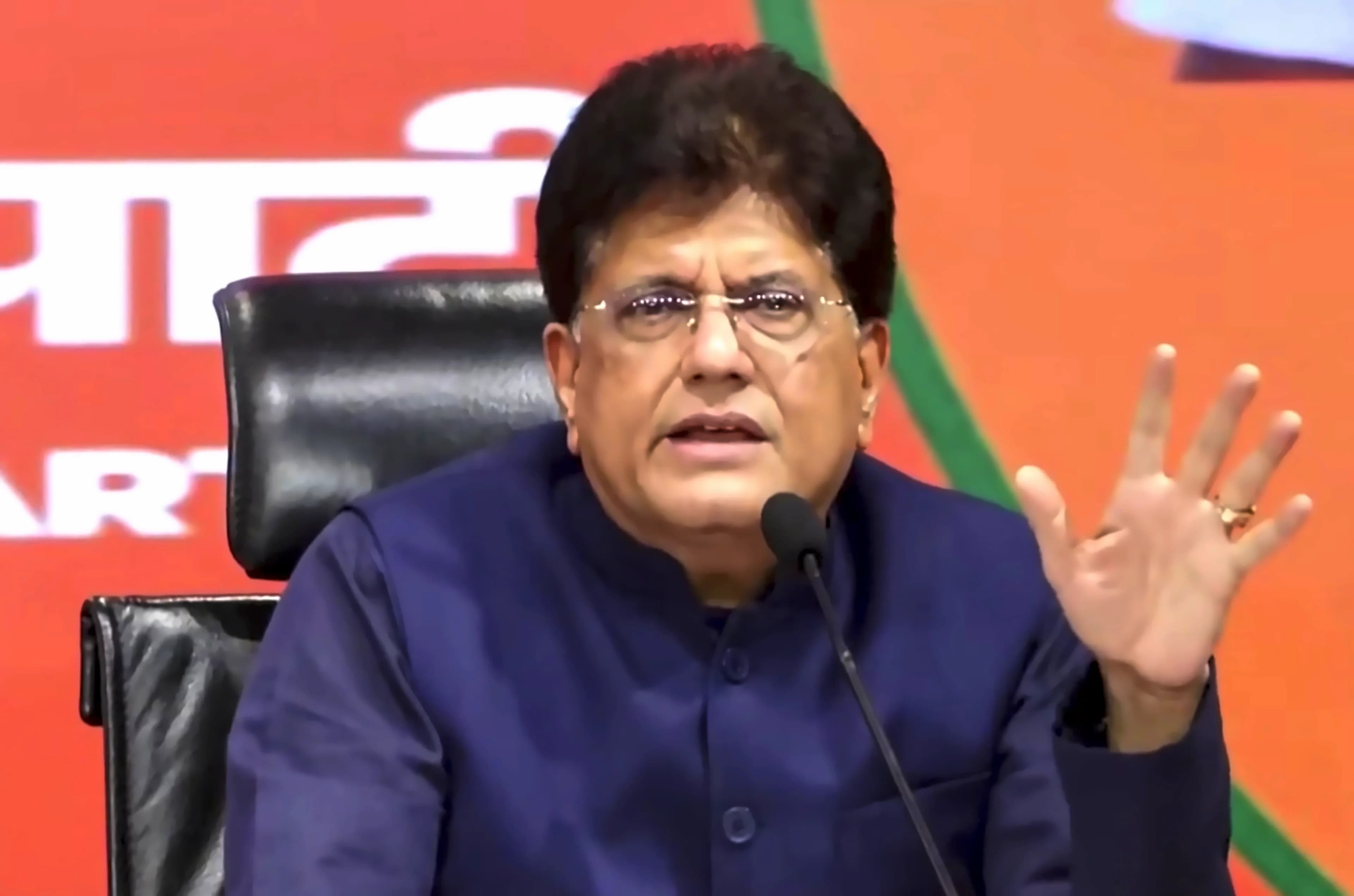
During the Berlin discussions, Goyal reaffirmed the ambitious target to boost India-Germany bilateral trade to €310 billion (approximately $344 billion). As previously announced, this goal represents a significant escalation from current trade levels, though it faces substantial challenges based on historical performance trends. The visit has provided concrete momentum for achieving this ambitious target through enhanced cooperation mechanisms and direct business engagement.
India's total trade with Germany has demonstrated modest growth, rising from $20.5 billion in 2014 to $31.2 billion in 2025—a compound annual growth rate (CAGR) of just 3.9 per cent over 11 years. As reported by Business Standard, at this current pace, it would take approximately 62 years to reach the $344 billion target. The proposed target would require an extraordinary CAGR of 27.1 per cent to achieve within the next decade, making the Berlin visit's strategic outcomes crucial for accelerating this timeline.
The Berlin visit significantly expanded business cooperation, with around 100 Indian businesses and startups accompanying Minister Goyal to Germany. According to latest reports, Goyal and Reiche co-chaired the India-Germany Business Roundtable, providing a platform for direct business engagement between the two countries. This substantial business delegation demonstrates the practical commitment behind the trade target, with companies from various sectors actively participating in the bilateral engagement initiatives.