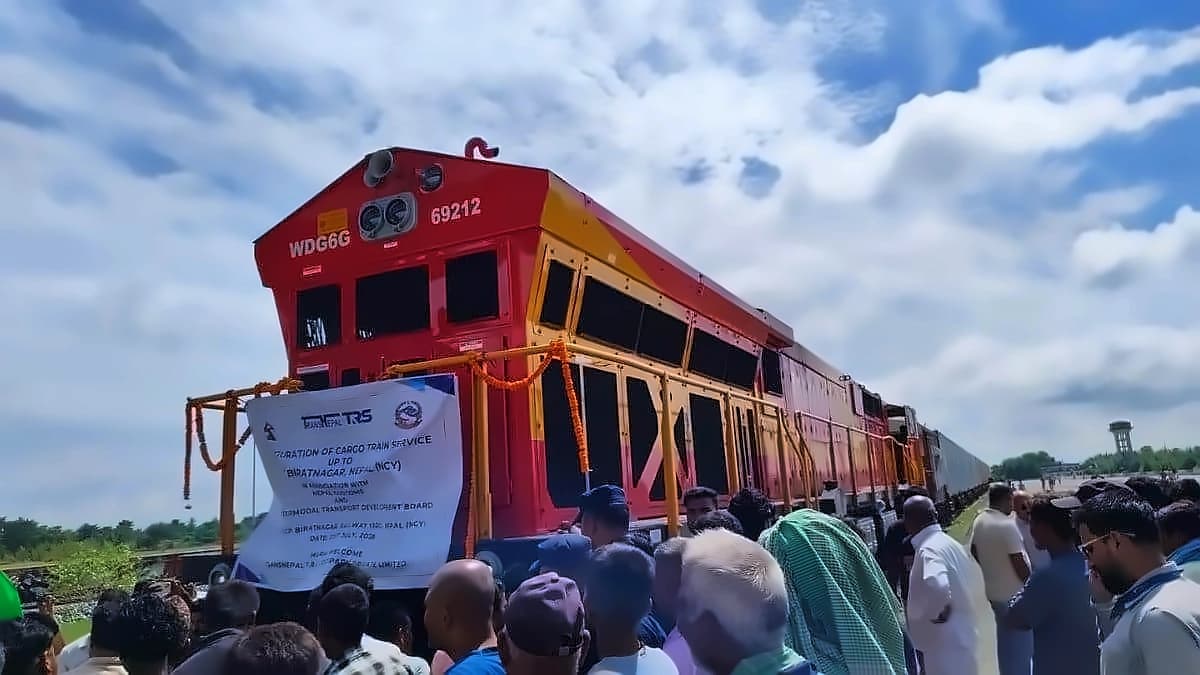
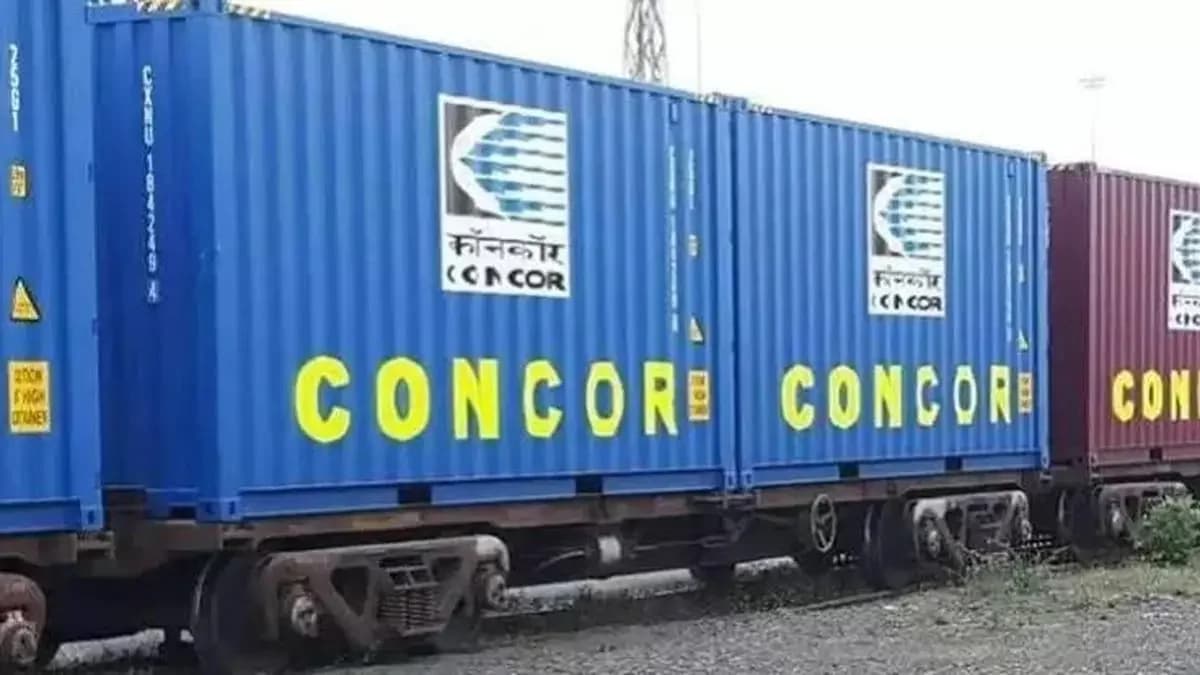
In a major milestone for India-Nepal rail connectivity, the first direct commercial container freight train carrying a consignment of canola has completed its journey from Kolkata Port to the Biratnagar Customs Yard in Nepal. According to the Railway Ministry, the train comprised 40 wagons and marks the operationalisation of the revised India-Nepal Rail Transit Protocol, paving the way for direct cross-border freight movement. This development represents India's first-ever direct commercial container freight train reaching Nepal, marking a new chapter in rail-based bilateral trade. The successful operation enables direct rail movement of containerised cargo from Kolkata Port to Biratnagar without transshipment at the border, significantly reducing transit time, logistics costs and cargo handling while improving trade efficiency between the two neighbouring countries.
Kapinjal Kishore Sharma, Chief Public Relations Officer (CPRO) of Northeast Frontier Railway (NFR), confirmed that the train operated seamlessly under the revised transit framework, allowing bulk cargo to move directly from Kolkata Port to Biratnagar without transhipment at the border. The Railway Ministry reports that this operationalisation significantly reduces transit time, logistics costs and cargo handling while improving trade efficiency between the two neighbouring countries. The successful operation enables direct rail movement of containerised cargo from Kolkata Port to Biratnagar without transshipment at the border, offering a faster, more economical and environmentally sustainable mode of transportation for cross-border trade. The milestone has been made possible through the implementation of the revised India-Nepal Rail Transit Protocol, which facilitates seamless end-to-end rail transportation of freight between the two countries, as reported by the Railways Ministry. Sharma emphasized that the development underscores the growing role of the Northeast Frontier Railway in strengthening international rail connectivity and facilitating seamless cross-border trade.
Following the signing of the revised Letter of Exchange (LoE) in November 2025, direct commercial rail movement to Nepal has now become operational. According to Sharma's statement to All India Radio News, the initiative is expected to boost bilateral commerce, improve logistics efficiency and further reinforce India's commitment to enhancing regional connectivity through modern railway infrastructure. The achievement builds upon the broad-gauge rail link between Jogbani (India) and Biratnagar (Nepal), inaugurated in June 2023 by Prime Minister Narendra Modi and the then Prime Minister of Nepal Pushpa Kamal Dahal. The new arrangement is expected to provide a significant boost to the movement of import and export cargo by offering a faster, more economical and environmentally sustainable mode of transportation, benefiting exporters, importers, logistics operators and industries engaged in cross-border trade.
Sharma emphasized that building on this historic achievement, NFR will continue to strengthen cross-border rail connectivity, enhance freight logistics and support the growing trade and economic partnership between India and Nepal through efficient, reliable and customer-focused railway services. The Railway Ministry noted that by reducing multiple handling points and improving supply chain efficiency, the initiative will further reinforce India's commitment to enhancing regional connectivity through modern railway infrastructure, supporting the growing trade and economic partnership between the two countries. The direct freight service is expected to provide a significant boost to the movement of import and export cargo by offering a faster, more economical and environmentally sustainable mode of transportation, with increased rail-based freight movement contributing to lower logistics costs, improved cargo reliability and greener transportation while fostering stronger economic partnerships with neighbouring countries. According to the Railways, the increased rail-based freight movement will contribute to lower logistics costs, improved cargo reliability and greener transportation while fostering stronger economic partnerships with neighbouring countries.