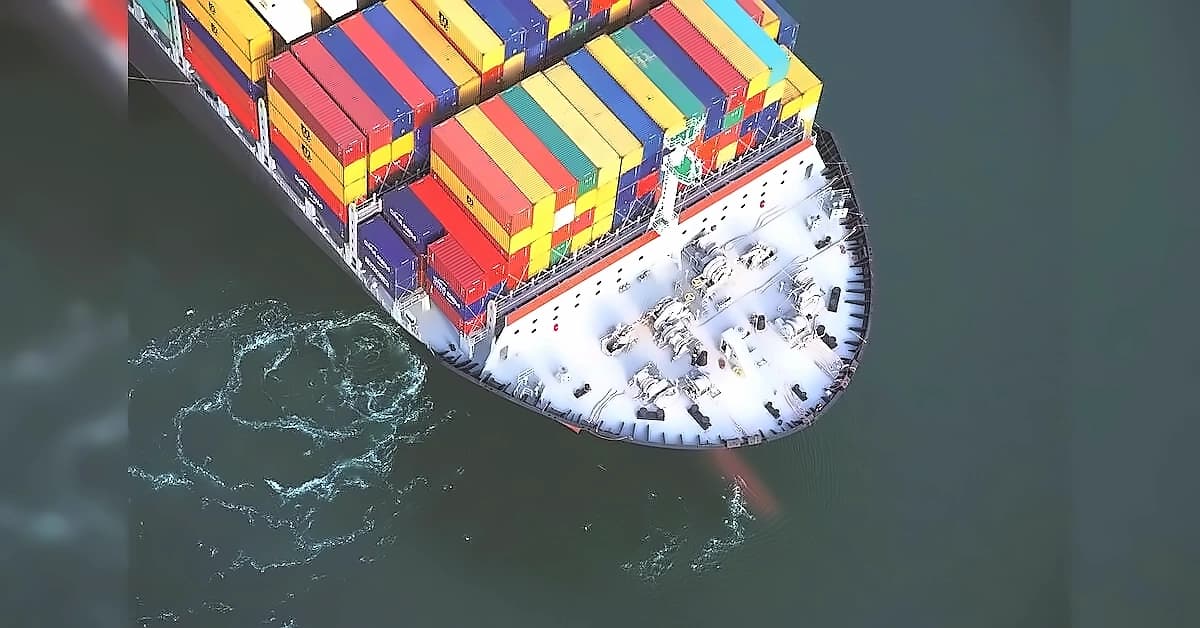
The BRICS Grain Exchange, proposed in 2023 as a digital platform, is being championed by Russia, one of the world's largest grain producers, but faces significant operational and implementation hurdles according to experts. As reported by Business Standard, the New Delhi Declaration of BRICS reiterated support for the proposal and mooted expanding it to include other agricultural products and commodities over time. However, BRICS nations account for 44 per cent of global grain production and more than 25 per cent of consumption, but much of global grain trade — estimated at 70-90 per cent — is controlled by a handful of European and US-based trading firms, with nearly half of their offices located in one European city. Professor Biswajit Dhar, distinguished professor at Council for Social Development, noted that the European grain trade is dominated by big grain traders who would look at their own interests, making the platform important for developing countries to have semblance of control over market terms.
The BRICS countries have finalized the establishment of a Brics agro-inputs, genetic resources and information network (BRICS AGRIN) as a voluntary, farmer-centric cooperation framework among BRICS countries. According to latest reports, this network will focus on strengthening collaboration in seeds, germplasm and agricultural inputs within BRICS member countries. The proposed network will also promote information exchange, capacity building and technical cooperation among BRICS members, potentially providing a platform for greater coordination on agricultural genetic resources and inputs. Initially, it will be coordinated by India through the Protection of Plant Varieties and Farmers' Rights Authority, demonstrating the country's leadership in agricultural cooperation initiatives. The BRICS AGRIN network will be collaborative, non-binding and farmer-centric, drawing on relevant national, regional and international practices.
As part of the broader agricultural cooperation framework, BRICS nations have agreed upon a Network on Digital Agriculture among Brics Countries to strengthen cooperation in emerging technologies. As reported by Business Standard, this network will focus on artificial intelligence-driven decision-support systems, geospatial intelligence, Internet of Things (IoT)-enabled monitoring and advanced data analytics. The objective is to scale up the deployment of digital agriculture solutions and strengthen member countries' ability to use technology for farm-level decision-making and monitoring. Additionally, BRICS countries have backed a 'BRICS Network on Digital Agriculture' covering areas including agroforestry, fisheries and aquaculture, while encouraging greater cooperation under the existing BRICS Dialogue on Development of Fisheries and Aquaculture. Commerce Minister Piyush Goyal has now called for greater cooperation in agricultural technology, particularly through partnerships among agri-tech startups. He emphasized that startups across BRICS economies could jointly develop solutions for farmers while contributing to food security.
The grouping will also establish a Brics Network of Centres of Excellence on Agro-ecology and Regenerative Agriculture for Climate Resilience and Productivity to create a collaborative platform for joint research and knowledge exchange. According to Business Standard, this network will focus on agro-ecology, natural farming and regenerative agriculture to promote sustainable and climate-resilient farming systems. The Delhi Declaration recognises family farmers, smallholders, pastoralists, artisanal and small-scale fishers, indigenous peoples and local communities, as well as women and youth, as key stakeholders in agriculture and food systems. The initiative aims to address common challenges concerning farmers, traditional knowledge and seed systems while building capacity for sustainable agricultural practices, with the BRICS Centres of Excellence on Agro-Ecology serving as a collaborative platform for joint research, knowledge sharing, and capacity building on natural, organic, and regenerative farming practices.
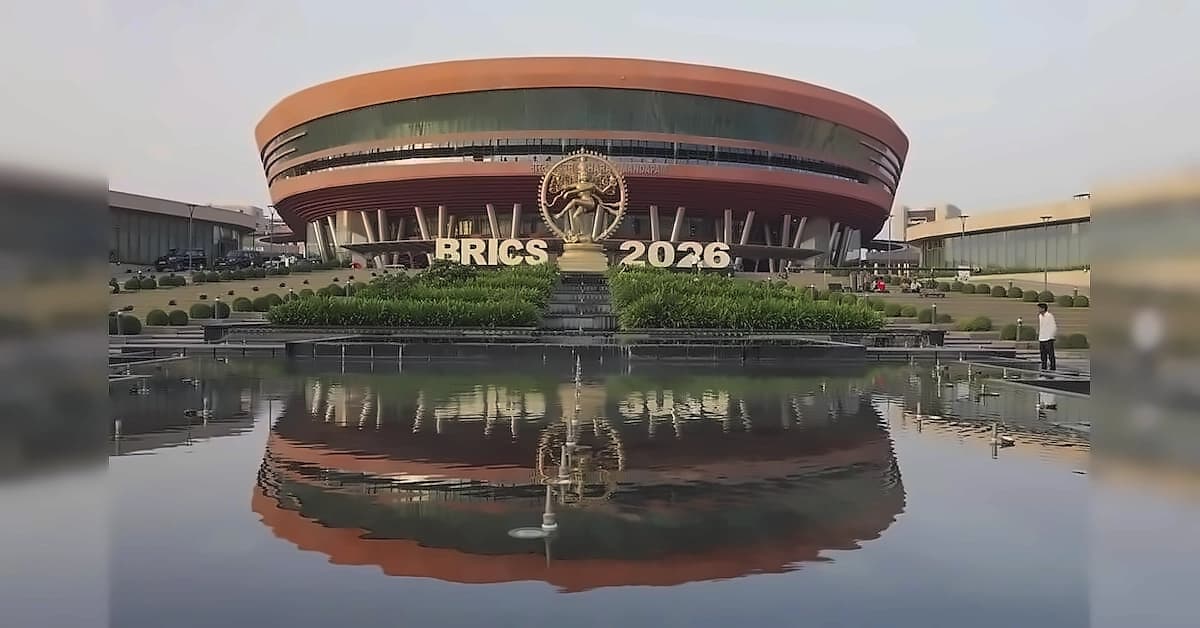
Brics countries have proposed a Global Forum on Farmers' Rights in Seed Systems to address common challenges concerning farmers, traditional knowledge and seed systems. As reported by Business Standard, the forum will encourage the documentation and sharing of traditional agricultural knowledge and practices related to seed systems. The forum will also seek to address the interface between farmers' rights and plant breeders' rights, an issue that has assumed increasing importance amid efforts to strengthen seed systems while protecting farmers' traditional role in conserving and developing crop varieties. The Delhi Declaration also endorsed the launch of a Global Forum on Farmers' Rights in Seed Systems, aimed at addressing common challenges, promoting effective policies and facilitating documentation and exchange of traditional knowledge related to agriculture and seed systems.
Union Commerce and Industry Minister Piyush Goyal has called on BRICS member and partner countries to link their payment systems, promote trade in local currencies and simplify regulatory procedures to deepen intra-BRICS trade and build more resilient supply chains. Addressing the BRICS Business Forum 2026, Goyal highlighted that India's digital payment infrastructure, including the Unified Payments Interface (UPI), could provide a basis for greater cross-border cooperation. The minister emphasized that UPI processes more than 250 billion transactions annually and accounts for over half of global transaction volumes, with UPI accepted in 11 countries. The Delhi Declaration reaffirmed BRICS's commitment to advancing agricultural negotiations at the World Trade Organization (WTO) in line with existing ministerial mandates and the WTO Agreement on Agriculture, calling for progress on long-standing issues and a fair, balanced and development-oriented agricultural trading system. Goyal also called for easier market access within the grouping, particularly for raw materials and critical minerals, noting that non-tariff measures were imposing higher export costs than tariffs themselves for 88 per cent of countries.