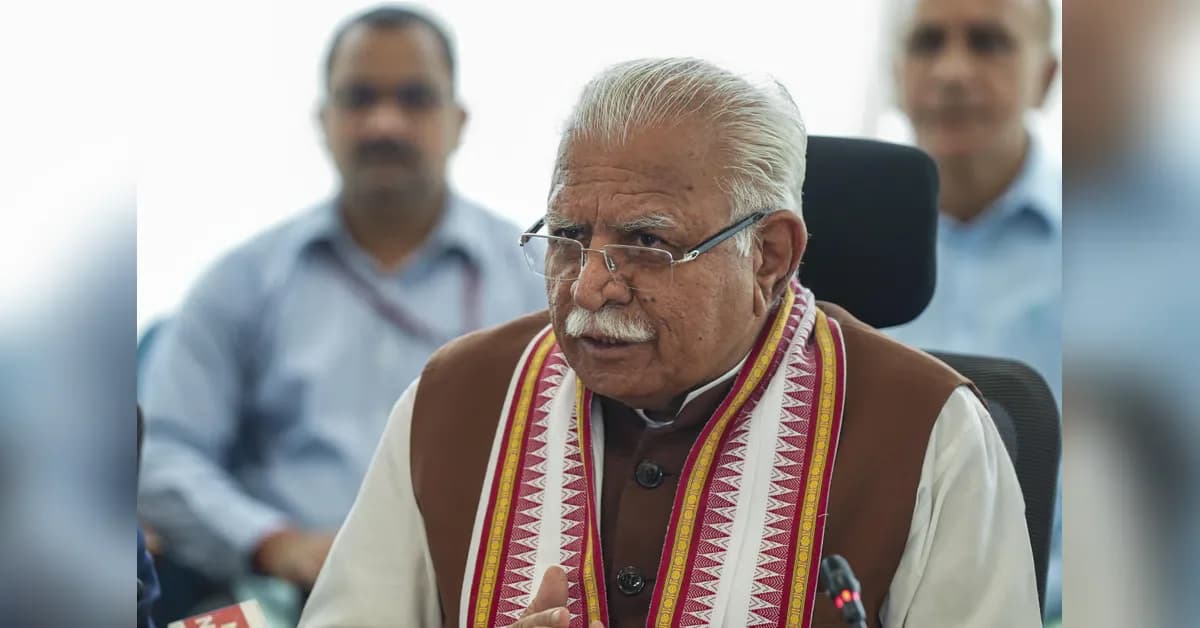
Union Minister Manohar Lal Khattar has called for accelerated reforms in West Bengal's power sector, urging the state to fast-track smart meter deployment. During a high-level review meeting with Chief Minister Suvendu Adhikari in Kolkata, the minister emphasised that timely implementation of ongoing reforms would enhance the financial viability of the State's power utilities and strengthen energy security. The West Bengal Government has now committed to achieving saturation of smart meters across government establishments by June 2026 and completing their conversion to prepaid mode by August 2026. This represents an advancement from the previously announced July 2026 timeline for the next phase of the smart meter programme.
Under the programme, the central government will provide a subsidy of ₹900 per smart meter, while consumers will contribute approximately ₹100 per month towards the installation cost. As reported by Business Standard, consumers in the state can choose between prepaid and postpaid options for their smart meter services. The minister emphasized that smart meters improve billing efficiency, reduce losses, and ensure reliable, transparent power supply. Khattar stressed the need for prompt clearance of outstanding dues by government departments and called for a robust mechanism to ensure regular settlement of payments.
The minister urged the state government to ensure that transmission infrastructure expansion keeps pace with growing power demand and reviewed the State's resource adequacy and intra-state transmission planning. According to the latest reports, Khattar advised the state government to ensure compliance with Supreme Court directions regarding regulatory assets. Currently, transmission and distribution losses stand at around 12 per cent, highlighting the need for smart meter implementation. The government is also working on a revised tariff framework and measures to address pending liabilities.
The government will recover subsidy support and outstanding dues amounting to approximately ₹800 crore, while plans are being made to manage accumulated losses estimated at around ₹15,000 crore over the past years. As reported by Business Standard, these measures are part of the comprehensive approach to strengthen the power sector infrastructure in West Bengal. Khattar said that sustained efforts in these areas would significantly improve the financial health of the state DISCOMs and contribute to making West Bengal's power sector more self-reliant.
Beyond power infrastructure, the minister announced significant urban development plans including ₹40,000 crore earmarked for urban infrastructure development under the Urban Challenge Fund, with ₹10,000 crore each from central and state governments. According to Business Standard, the government will conduct a survey of household and public toilets across the state within a month to assess sanitation coverage and identify gaps. Additionally, ₹1,000 crore has been allocated for 13 Himalayan states under the Clean Himalayan Cities Initiative, covering five towns including Darjeeling, Kalimpong, Kurseong, Siliguri, and Mirik.