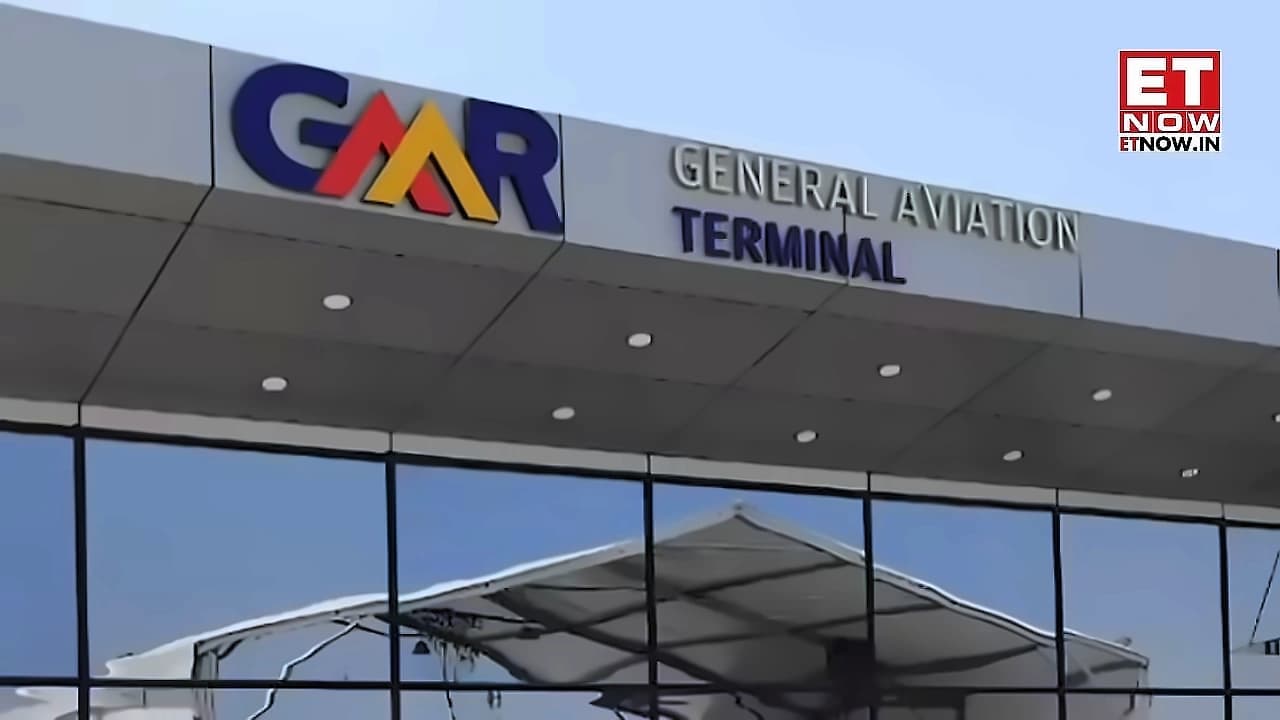
Commercial flight operations at Alluri Sitarama Raju International Airport in Bhogapuram are set to commence this Monday, replacing Visakhapatnam Airport for commercial traffic. According to the Ministry of Civil Aviation, all airlines are shifting their services from Visakhapatnam Airport to Bhogapuram Airport from midnight on August 17. On the first day of operations, GMR Visakhapatnam International Airport (GVIAL) handled 52 planned air traffic movements (ATMs), marking a successful operational launch. The last scheduled commercial flight from Visakhapatnam Airport (INS Dega) will be IndiGo flight 6E 2018 to Delhi, scheduled to depart at 10.45 pm on Sunday. Civil Aviation Minister Kinjarapu Ram Mohan Naidu flagged off the first commercial flight services and handed boarding passes to passengers at the airport, stating that "The commencement of commercial flight operations at Alluri Sitarama Raju International Airport is a matter of great happiness and pride. This marks the beginning of a new chapter for North Andhra and will open new opportunities for the region."
The IATA airport code 'VTZ' will be transferred from Visakhapatnam Airport to the new airport at Bhogapuram with effect from August 17 at 12.01 am. As reported by the Ministry of Civil Aviation, this transfer marks the complete transition of commercial aviation operations from the existing facility to the new greenfield airport. Air India has advised passengers to check their bookings and allow additional travel time to reach the new airport, stating "VTZ will now take you to Bhogapuram." While scheduled commercial operations will shift to the new facility, non-scheduled commercial operations may continue at the Civil Enclave at Visakhapatnam Airport, though specific details of these operations have not yet been specified.
Bhogapuram Airport was built at a cost of nearly ₹4,727 crore and completed within 31 months, nearly five months ahead of schedule. The airport has secured the DGCA aerodrome licence, along with all required safety, fire and environmental clearances. The facility is designed to handle 6 million passengers annually in the first phase, with a master plan to expand capacity to 40 million passengers annually in the future. The airport features a 3,800-metre Code-E runway capable of handling wide-body aircraft such as the Boeing 777, Boeing 787 Dreamliner, Airbus A330 and Airbus A340. The integrated project spans 2,703.26 acres, including 2,203.32 acres for the airport, 500 acres for the aviation hub, and 136.63 acres for Aviation University/EduCity. The new terminal, spread over 77,342 square metres, has 22 check-in counters, 18 self-baggage drop units, advanced passenger screening systems, modern baggage handling facilities and seven aerobridges.

The closure of Visakhapatnam Airport evoked mixed reactions among passengers, with many expressing nostalgia over the facility's long association with the city. Vijay, who worked in Sheela Nagar, described the final day as an emotional moment, noting that the entire travel process from boarding to airport time took around 45 minutes, making it extremely convenient for residents. Uma, who has been travelling through the airport since 2007 while living in the Gulf, shared a strong emotional connection with the facility, stating that it was in the heart of the city and would be missed greatly due to its new distance from the city. However, several housekeeping workers expressed distress over the suspension of civil aviation operations and raised concerns about their livelihoods. Sunita, a housekeeping worker, alleged that employees had been left without jobs or financial assistance, while Siva Prasad, who worked at the airport for around 10 years, claimed that nearly 150 housekeeping workers had been affected. Ganditi Ramu, who worked at the airport for 15 years, appealed to authorities for intervention, noting that they had worked through COVID-19 and faced uncertainty about their future.
According to NDTV, Visakhapatnam Airport Director N Purushottam acknowledged the airport's role in connecting the city and Andhra Pradesh with major domestic destinations over several decades. The airport underwent significant growth in passenger traffic and infrastructure improvements, including terminal expansion, better aircraft parking, security and passenger facilities, DigiYatra services, accessibility measures and sustainability initiatives. The new Bhogapuram Airport is expected to play a pivotal role in boosting economic growth, tourism, industrial investment, exports, logistics, and the aerospace and defence sectors across the erstwhile Visakhapatnam, Vizianagaram, and Srikakulam districts. GMR Visakhapatnam International Airport CEO Kanwarbir Singh Kalra stated that the airport will serve as a powerful catalyst for trade, tourism, investment, and employment, while strengthening regional and global connectivity. Civil Aviation Minister Naidu acknowledged the emotional response to the closure of scheduled commercial operations at the old airport and said the facility would continue to be used for general aviation, including private flights. Air India will continue to operate 14 weekly flights between Bhogapuram and Delhi, providing connectivity to domestic and international destinations through its hubs.