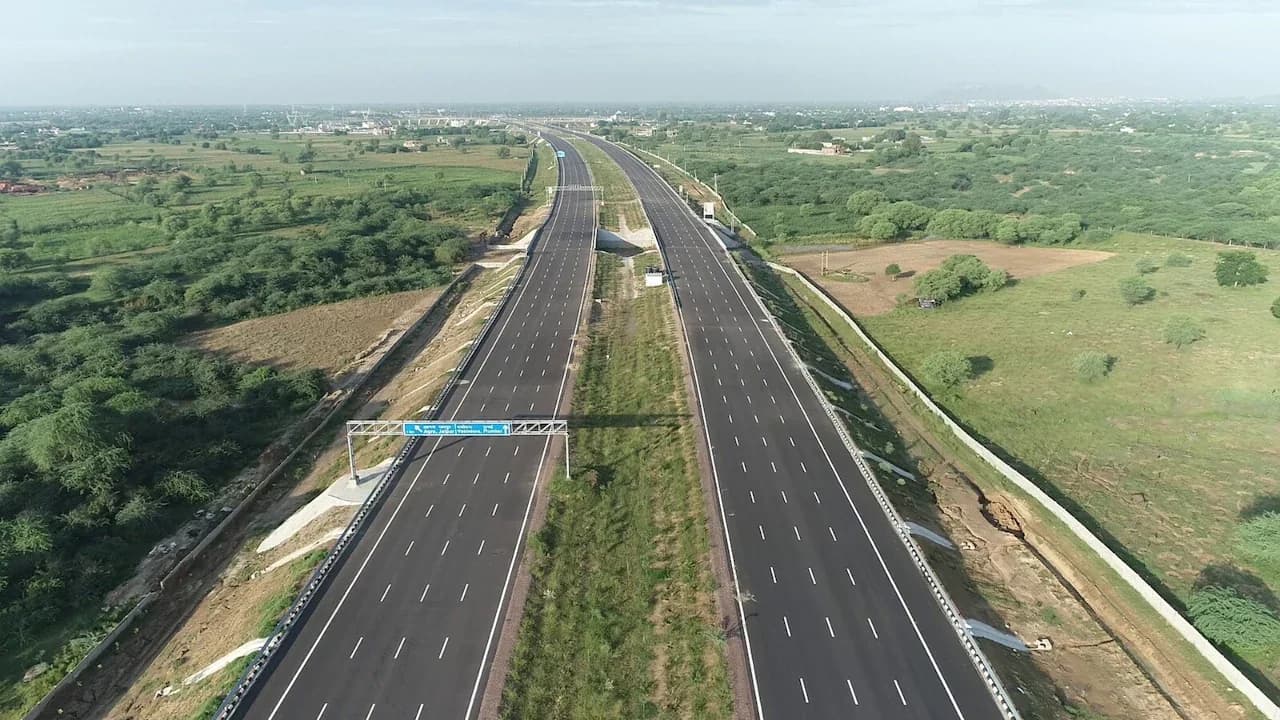
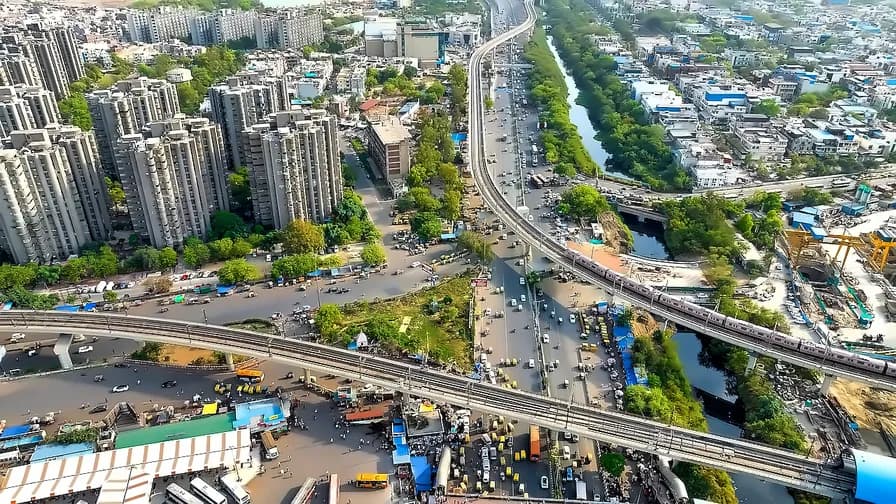
The Uttar Pradesh government has officially confirmed the assignment of IIT Kanpur, IIT-BHU and IIT Roorkee to conduct independent quality audits of infrastructure projects worth over ₹100 crore. According to the government order issued by Deepak Kumar, additional chief secretary, finance, on Friday, the premier institutes will be tasked to assess roads, bridges, water supply, sewerage, and other works of a public utility nature independently. The third-party quality audit system is designed to provide an independent and objective assessment of major infrastructure projects and reduce potential conflicts of interest associated with internal reviews.
Under the new arrangement, IIT Kanpur will conduct audits for projects across the Kanpur, Lucknow, Banda, Prayagraj, Ayodhya, Agra, Jhansi and Devipatan divisions. IIT-BHU, Varanasi, will handle projects in the Basti, Gorakhpur, Azamgarh, Varanasi and Mirzapur divisions. IIT Roorkee has been assigned projects in the Saharanpur, Moradabad, Bareilly, Meerut and Aligarh divisions. As reported by Swarajya, the proposal was made by the Uttar Pradesh Planning Department for works audits of roads, bridges, water supply, sewerage, and other works of a public utility nature.
The audit framework has been expanded to include drinking water schemes, sewerage works and assorted public utility projects beyond the initial scope of roads and bridges. According to the official government order, the technical institutes will assess whether projects comply with prescribed technical specifications, safety codes and environmental standards. Officials stated that the inspections will cover the entire project lifecycle, from commencement to completion, with experts conducting assessments at different stages of construction and preparing reports for submission to state authorities. Unlike internal audits, this external review ensures that planning processes are free from conflicts of interest, with the reviewing body sitting outside the executing chain.
The move is expected to strengthen quality control and accountability in major public infrastructure projects while helping identify technical shortcomings at an early stage. As reported by Swarajya, by involving independent institutions such as IITs, the state government intends to ensure that large public works meet required engineering and safety standards. The audit mechanism will apply to projects exceeding the ₹100-crore threshold, with the institutes responsible for examining projects within their designated administrative divisions. The third-party audit includes inspection at different stages right from the start to finish, ensuring comprehensive verification of infrastructure projects through successive site examinations.