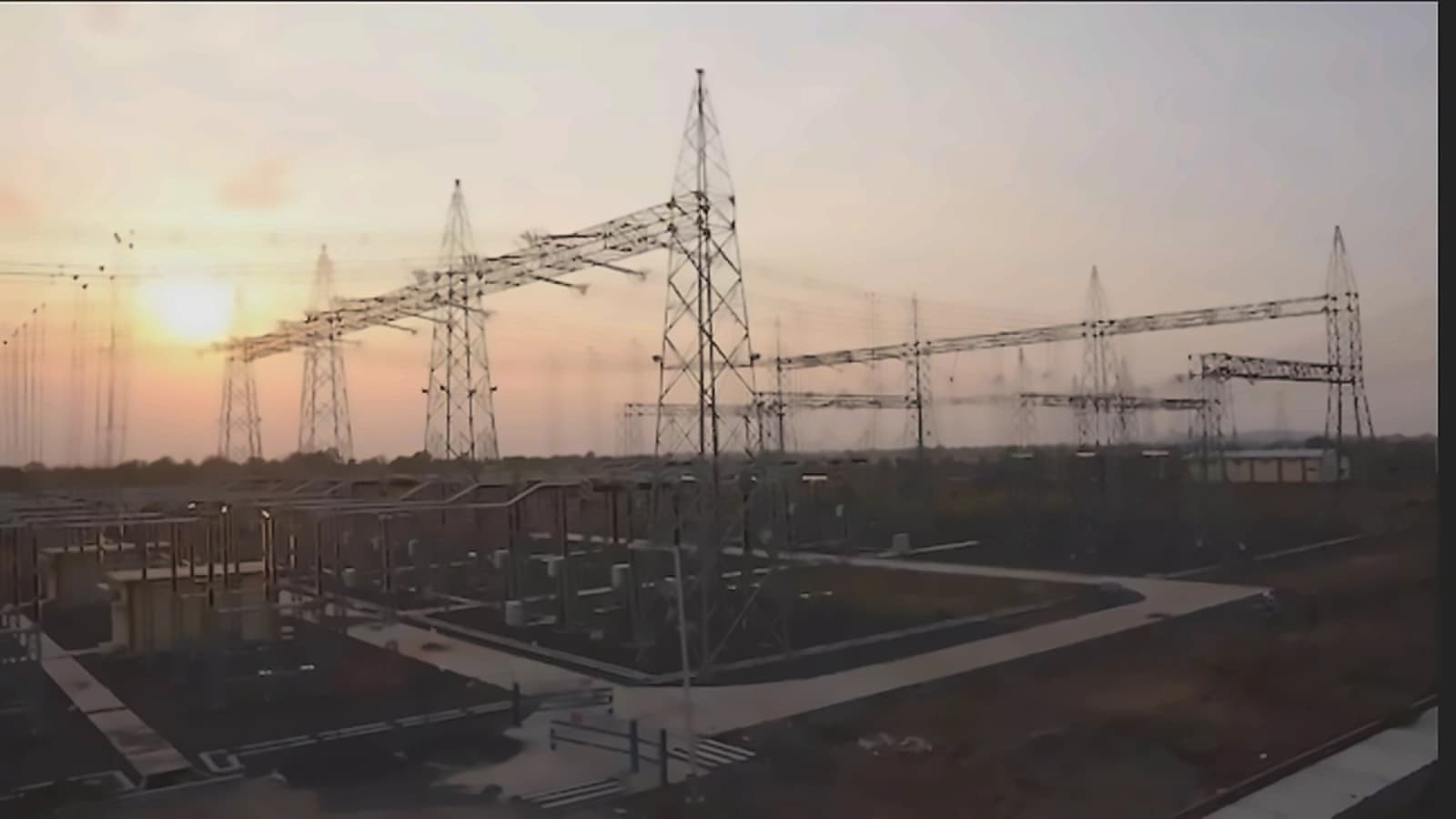

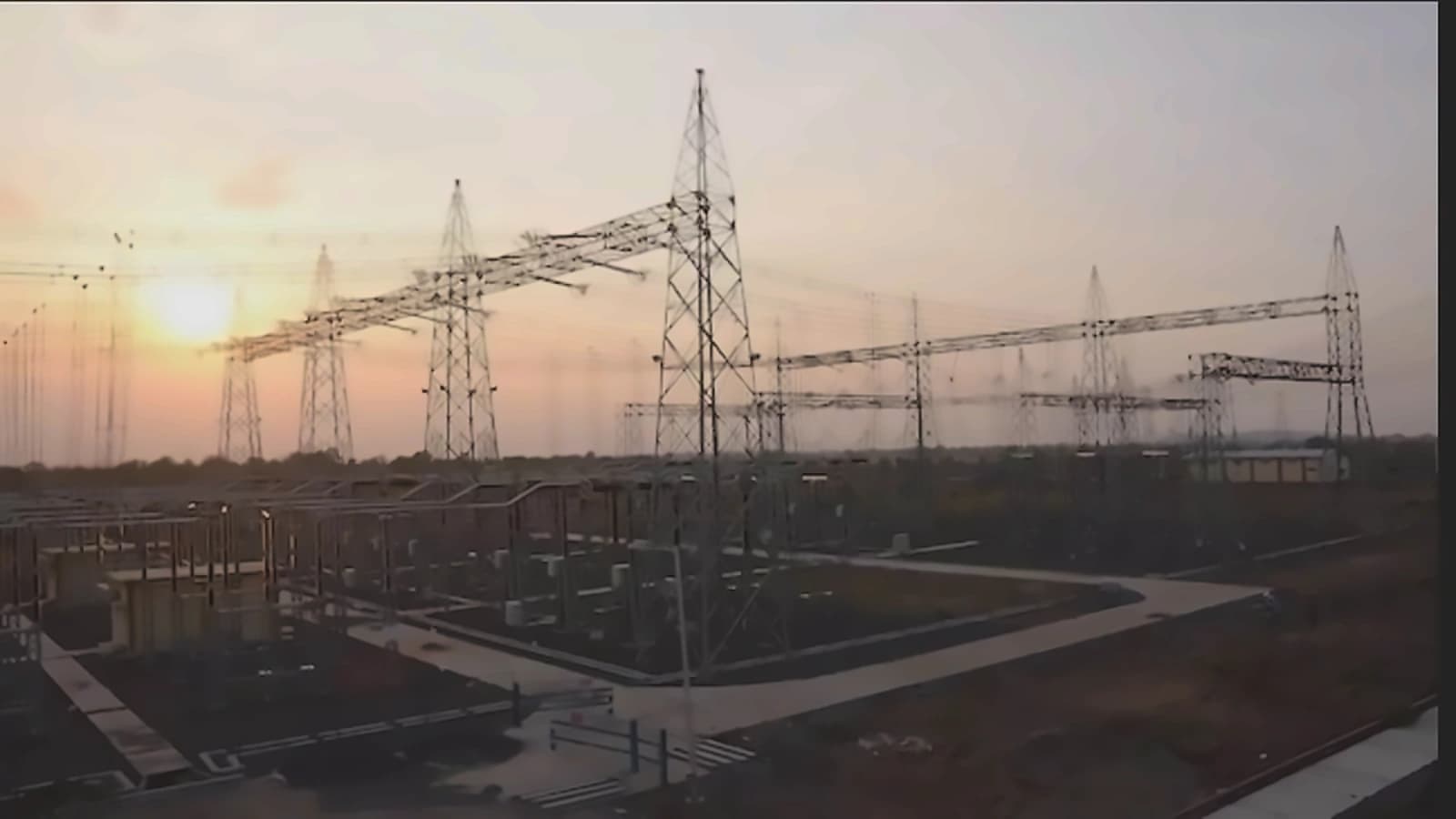
State-owned Power Grid Corporation of India Ltd (POWERGRID) approved an investment of ₹220.09 crore for the reconductoring of the Gooty-Tumkur (Pavagada) 400-kilovolt (kV) double-circuit transmission line using High Temperature Low Sag (HTLS) conductors. According to reports from CNBC TV18, the investment approval was granted by the company's Committee of Directors on Investment on Projects at a meeting held on November 16, 2026. The project is scheduled to be commissioned by June 10, 2028.
Last week, Power Grid Corporation was declared the successful bidder for an intra-state transmission project in Karnataka with quoted annual transmission charges of ₹243.34 crore. As reported by CNBC TV18, the project involves setting up a 3X500 MVA, 400/220 kV substation at Humnabad in Bidar district and associated transmission lines. The project will be developed on a Build, Own, Operate and Transfer (BOOT) basis, with the company receiving the Letter of Intent on November 11, 2026.
With this latest win, Power Grid Corporation has secured 11 transmission system projects under the Tariff Based Competitive Bidding route in FY27 so far. According to CNBC TV18, the cumulative annual transmission charges for these projects stand at ₹8,106.97 crore. The company's competitive bidding project portfolio continues to expand through successful participation in the Tariff Based Competitive Bidding (TBCB) process, demonstrating its strong execution capabilities across various transmission infrastructure projects.
Shares of Power Grid Corporation of India Ltd ended at ₹262.00, up by ₹4.35, or 1.69%, on the BSE following the announcement. As reported by CNBC TV18, the positive market response reflects investor confidence in the company's expansion of its transmission infrastructure portfolio through strategic project wins and significant capital investments. The sustained government investment under programmes such as the Revamped Distribution Sector Scheme (RDSS) and the National Electricity Plan continues to drive demand for power transmission infrastructure, with integration of large-scale renewable energy into the grid further boosting EPC contractor requirements.