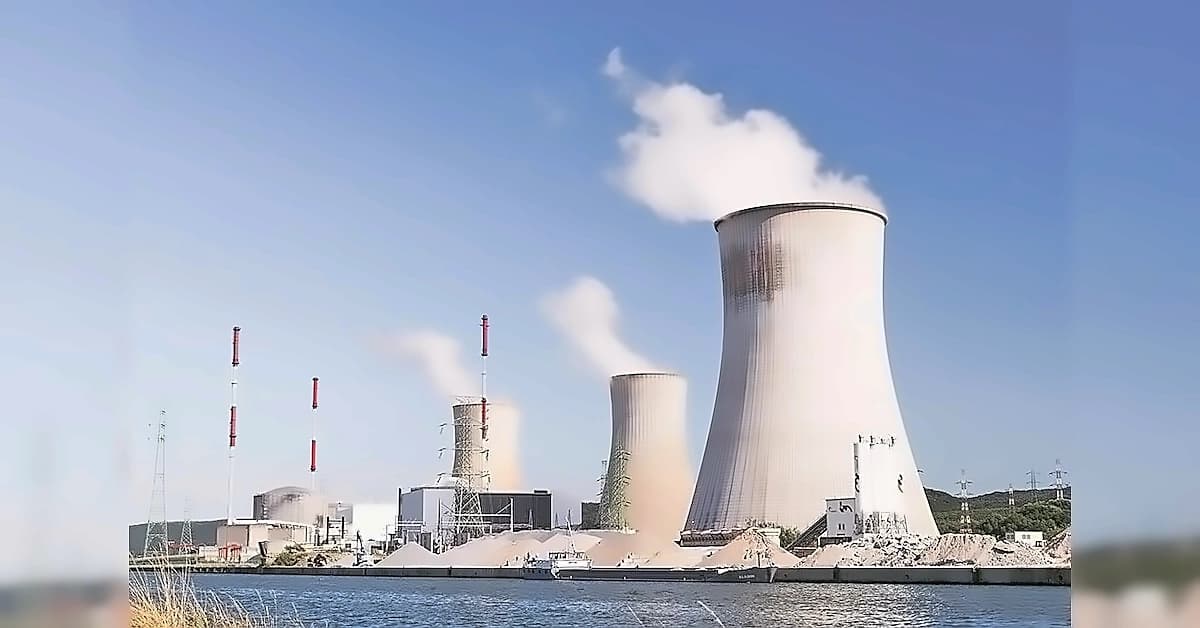
The government's ambitious piped natural gas (PNG) expansion is facing significant implementation challenges despite strong targets. According to reports from The Times of India, the ministry of petroleum and natural gas (MoPNG) has set a target of providing 125 million domestic PNG connections by 2030, but current performance falls far short of expectations. India has delivered around 16 million PNG connections against a pro-rated target of 40 million, raising concerns over the pace of expansion needed to meet the 2030 goal.
The primary bottleneck in PNG rollout is a severe shortage of certified gas plumbers. As reported by The Times of India, city gas distribution (CGD) companies are currently adding only 8,000-10,000 household connections per day, far below the government's target of 100,000 daily connections. Industry executives indicate that the lack of trained manpower for last-mile installations has emerged as a major bottleneck, with contractors generally assigning plumbers a target of three household connections per day. The shortage is particularly affecting the final stage of connection process requiring certified gas plumbers trained in gas-pressure systems, leak testing and safety protocols.
India's formal plumbing training system operates through 14,312 Industrial Training Institutes (ITIs), including 2,204 government-run institutions and 12,108 private institutes. According to the Indian Plumbing Skills Council (IPSC), India has an estimated 800,000 plumbers, but nearly 80% cannot find work. The organisation also estimates that more than 90% of plumbers in the country lack formal training and rely entirely on on-the-job experience. Gas plumbing requires separate qualifications and certification standards, making the skilled workforce even more scarce.
The PNG rollout remains uneven across states, with Maharashtra and Gujarat accounting for more than half of existing connections. As reported by The Times of India, across cities such as Delhi-NCR, Mumbai, Bengaluru, Hyderabad and Ahmedabad, more than 6 million homes have PNG pipelines laid up to their doorstep but are still dependent on LPG cylinders as installation work inside homes remains incomplete. Rajasthan has directed CGD companies to connect 1,43,000 households within 45 days and mobilise 5,000 trained plumbers through ITIs, though industry executives said such measures would take time to produce results.
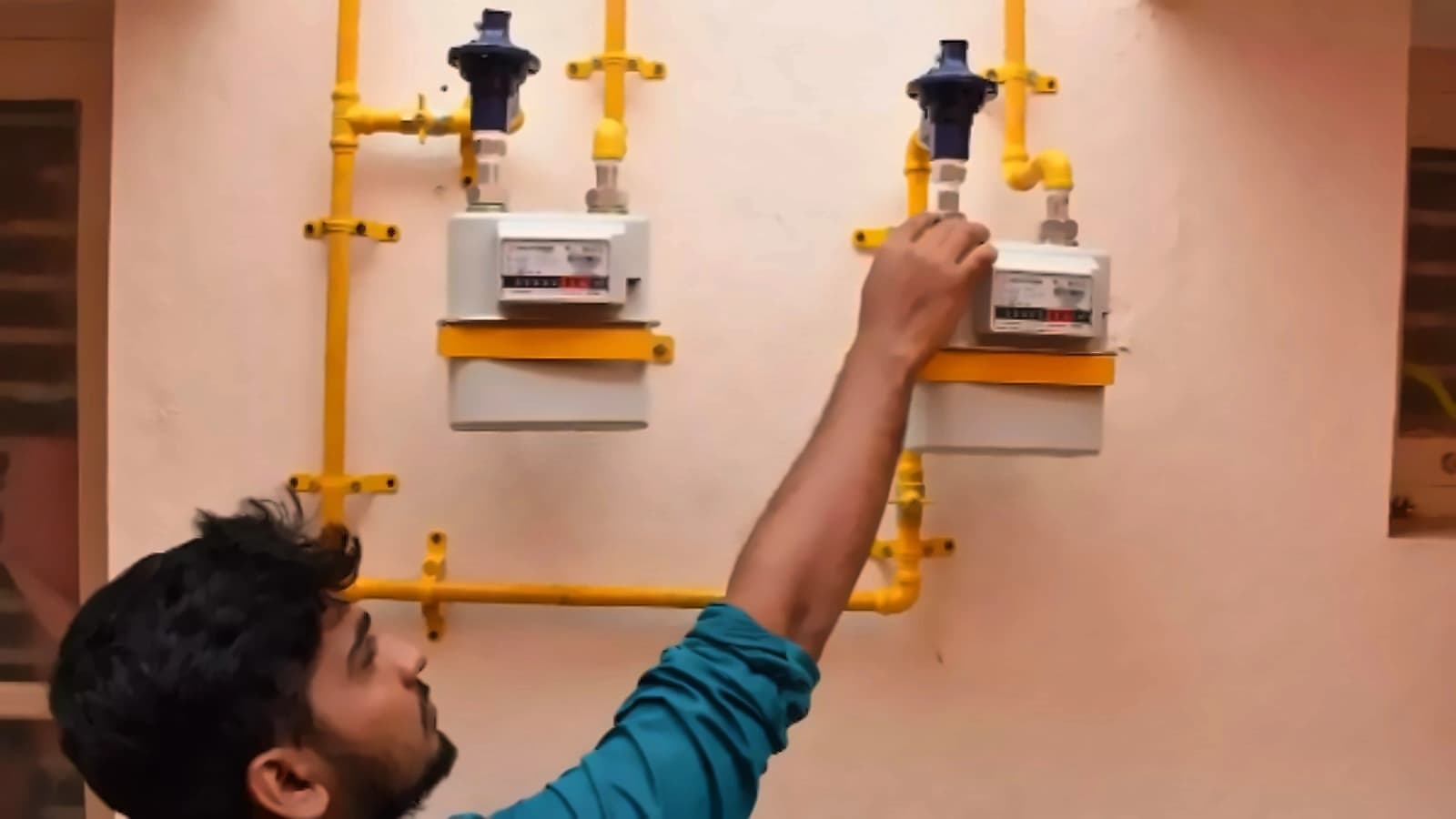
Industry executives also pointed to low wages as a challenge in attracting workers to the sector, with the average plumber in India earning roughly ₹18,000-₹20,000 per month. Gas plumbers working for CGD contractors are usually paid on a piece-rate basis for every completed connection. Consumer hesitation has affected PNG adoption in some areas, with households expressing concerns that future price increases could reduce the cost advantage over subsidised LPG. To address the shortage, CGD companies have reportedly begun hiring water plumbers and training them through short-term crash courses lasting three to four weeks, though industry insiders described this arrangement as temporary and insufficient for long-term expansion.