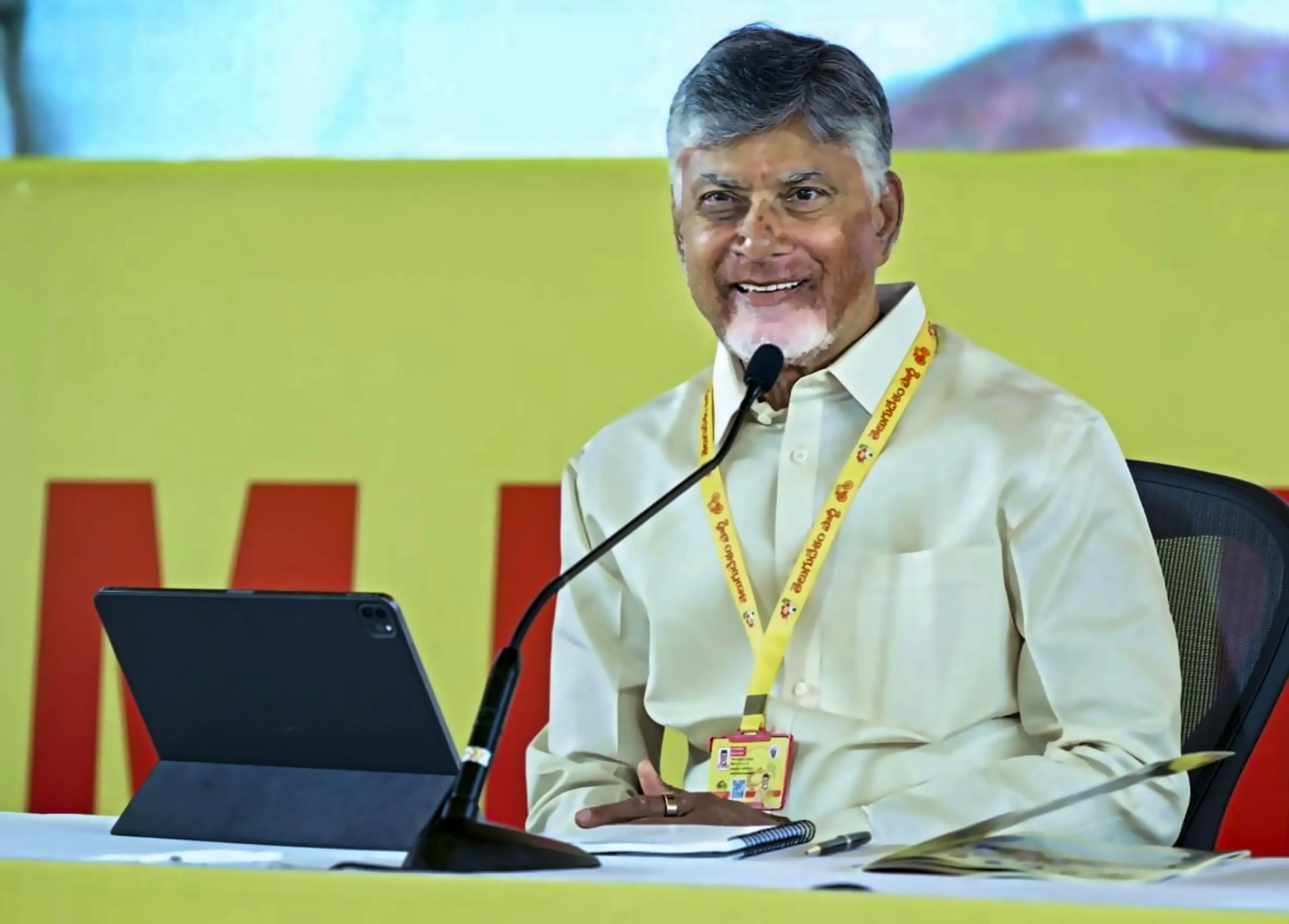
Prime Minister Narendra Modi on Saturday inaugurated and laid foundation stones for projects worth ₹17,900 crore in Andhra Pradesh. According to an official release, the comprehensive infrastructure development includes the ₹5,700 crore Alluri Sitarama Raju International Airport at Bhogapuram in Vizianagaram district, alongside multiple power transmission and highway projects. The launch represents a significant milestone in Andhra Pradesh's industrial and connectivity development, with Modi joining the ceremony virtually with Chief Minister N Chandrababu Naidu.
Modi laid the foundation stone for the ₹460 crore ASIP Semiconductor Project at Visakhapatnam, being developed by ASIP Technologies Pvt Ltd in partnership with APACT, Republic of Korea. As reported by PTI, this represents Andhra Pradesh's first semiconductor manufacturing facility approved under the India Semiconductor Mission, which will manufacture around 96 million semiconductor chips annually and foster a robust ancillary ecosystem to support semiconductor manufacturing. The facility is being established on a 30-acre site with an initial investment of more than ₹460 crore, serving high-growth sectors including artificial intelligence (AI), high-performance computing, data centres and high-speed communications. The project is expected to create more than 1,000 direct high-skilled jobs and 1,600 indirect jobs.

The PM inaugurated the Transmission System for the integration of Kurnool-IV Renewable Energy Zone (REZ) – Phase-I (4.5 GW), being implemented by POWERGRID through a Special Purpose Vehicle at an investment of about ₹5,550 crore. According to the official release, these transmission projects will enable the evacuation of power generated from renewable energy zones in Kurnool and Ananthapuram and facilitate integration of large quantum of renewable energy into the grid. The PM also inaugurated the transmission system for Kurnool Wind Energy Zone and Solar Energy Zone (Andhra Pradesh) – Part A & Part B, implemented at a cost of around ₹3,550 crore. Additionally, he inaugurated the transmission scheme for Solar Energy Zone in Ananthapuram (2,500 MW) and Kurnool (1,000 MW), implemented by POWERGRID at a cost of over ₹820 crore. These transmission projects will improve the availability of clean power for demand centres and contribute to India's energy transition and decarbonisation efforts by reducing dependence on fossil fuel-based power generation.
The semiconductor project is expected to create more than 1,000 direct high-skilled jobs and 1,600 indirect jobs. According to PTI, once operational, ASIP will begin production using wire-bond and flip-chip ball grid array (BGA) packaging technologies, followed by the introduction of advanced 2.5D and 3D packaging capabilities within two to three years. The facility addresses a critical gap in India's semiconductor value chain, where packaging and testing account for roughly 30-40 per cent of chip manufacturing costs. The project will establish a comprehensive semiconductor ecosystem supporting the broader manufacturing sector.
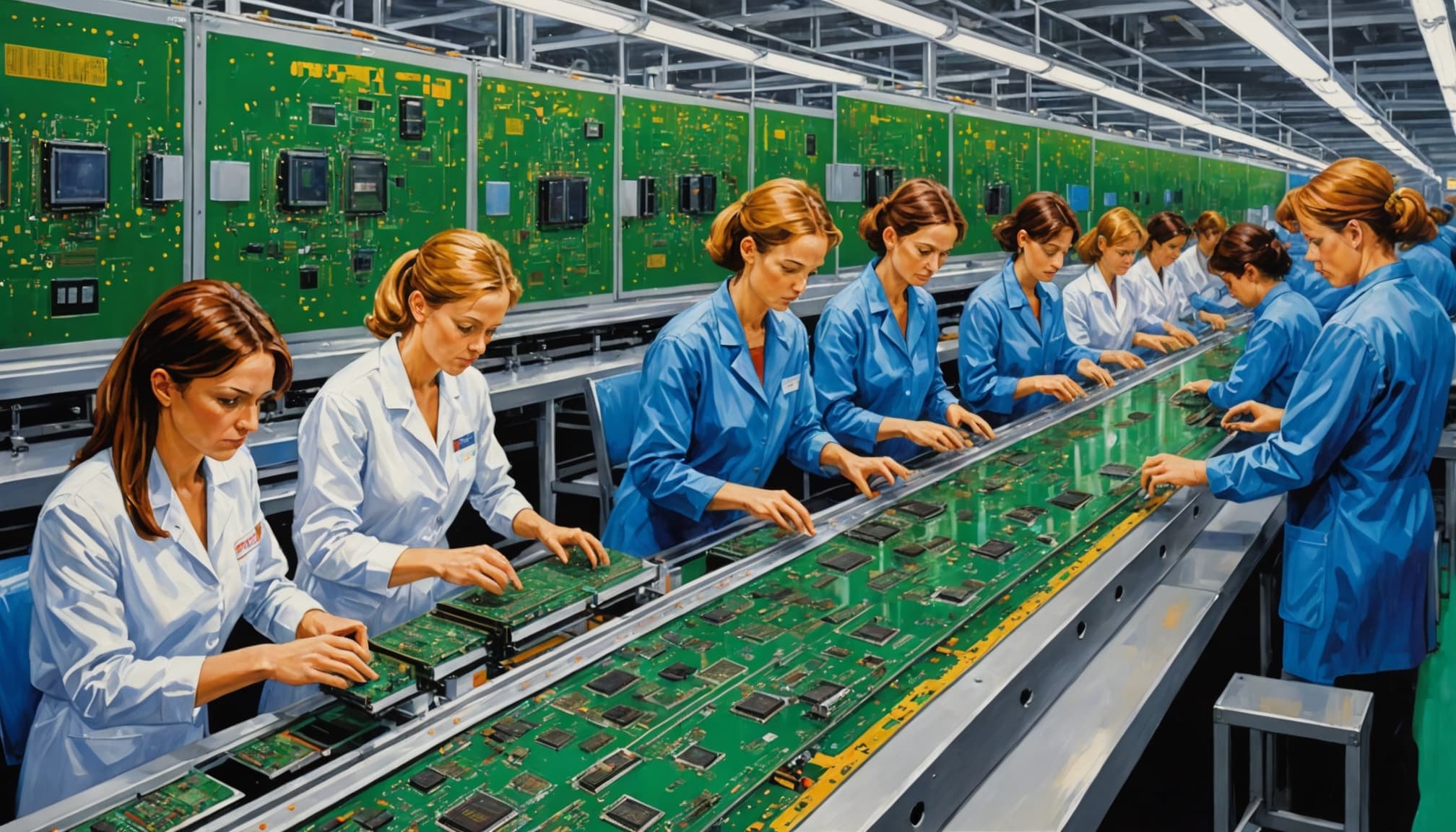
Seong Dong Lee, CEO and president of APACT, emphasized that the partnership combines Korean technology expertise with India's engineering talent and manufacturing ambition. As reported by PTI, the company expects to localise a significant portion of its supply chain over the next three to five years while building partnerships with academic institutions including the Indian Institute of Technology (IIT) Tirupati and IIT Hyderabad. The facility will also include an in-house semiconductor training centre aimed at developing a skilled workforce for India's growing semiconductor sector.
Beyond the semiconductor and power transmission projects, Modi dedicated National Highway projects worth over ₹1,880 crore to the nation. The highway projects include the four-lane access-controlled greenfield highway from Recherla to Guruvaygudem section of NH-365 BG, the four-lane access-controlled greenfield highway from Guruvaygudem to Devarapalle section of NH-365BG, and the four-lane Tadipatri Bypass on NH-67. As reported by PTI, Modi also laid the foundation stone for a high-level bridge at Lingasamudram on the Penchalakona–Yerpedu section of NH-565. These infrastructure developments will ease congestion in Vijayawada and several other cities, improve road safety, reduce travel distance and travel time between Visakhapatnam and Hyderabad, and promote regional connectivity.