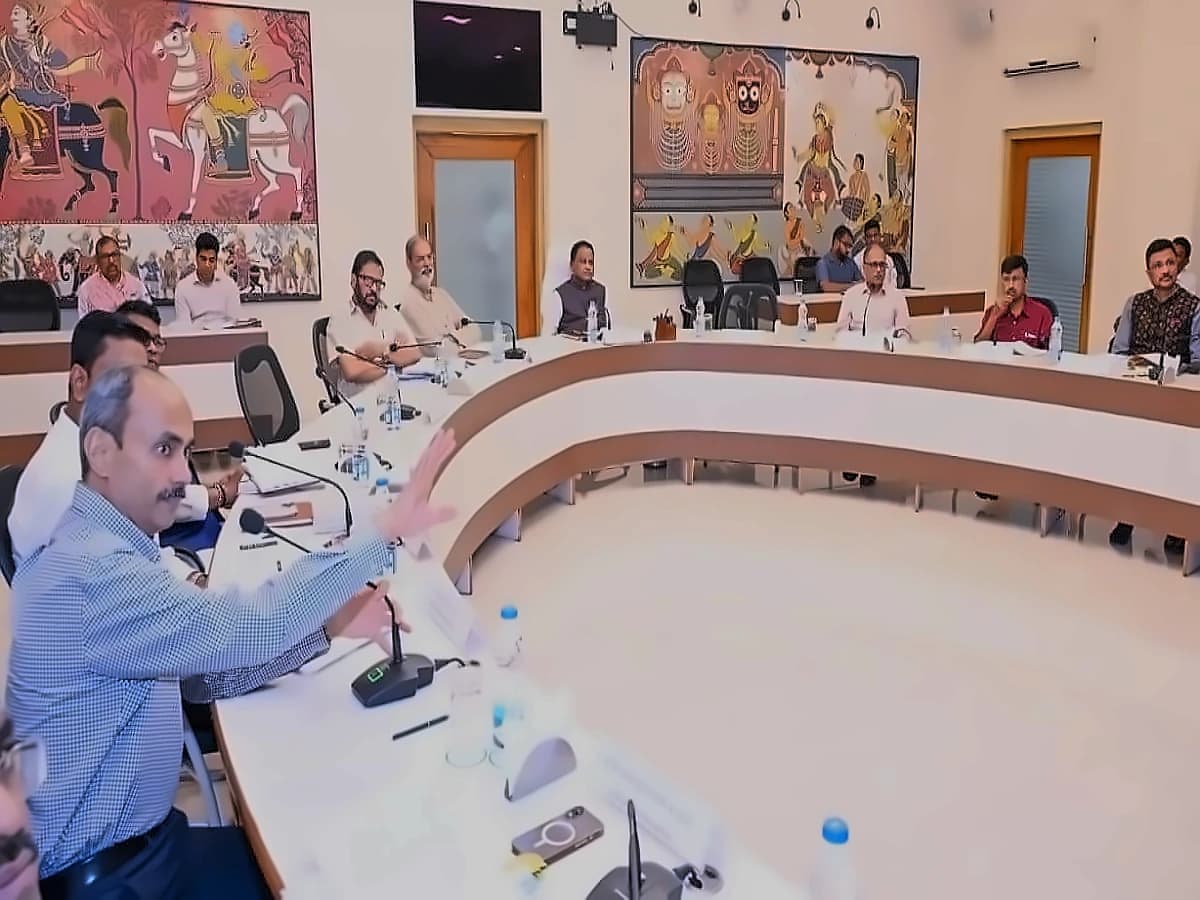
Odisha has emerged as the fifth most investment-friendly state in the country's first-ever Investment Friendliness Index released by NITI Aayog. The state achieved a score of 52.4 out of 100 across 84 indicators, placing it alongside Gujarat (56.6), Maharashtra (53.1), Tamil Nadu (52.4), and Goa in the top performers category. As per NITI Aayog, the index assesses states across eight pillars including infrastructure, business climate, resources, government policy, regulatory ease, financial health, institutional environment and environment resilience. Among the 17 large states, Gujarat leads with 56.6, running about three points clear of Maharashtra and Tamil Nadu, while Odisha rounds out the top five with its 52.4 score. According to NITI Aayog, the Investment Friendliness Index is India's first comprehensive, evidence-based framework for evaluating the investment ecosystem of all states and Union territories, benchmarking states to promote competitive and cooperative federalism.
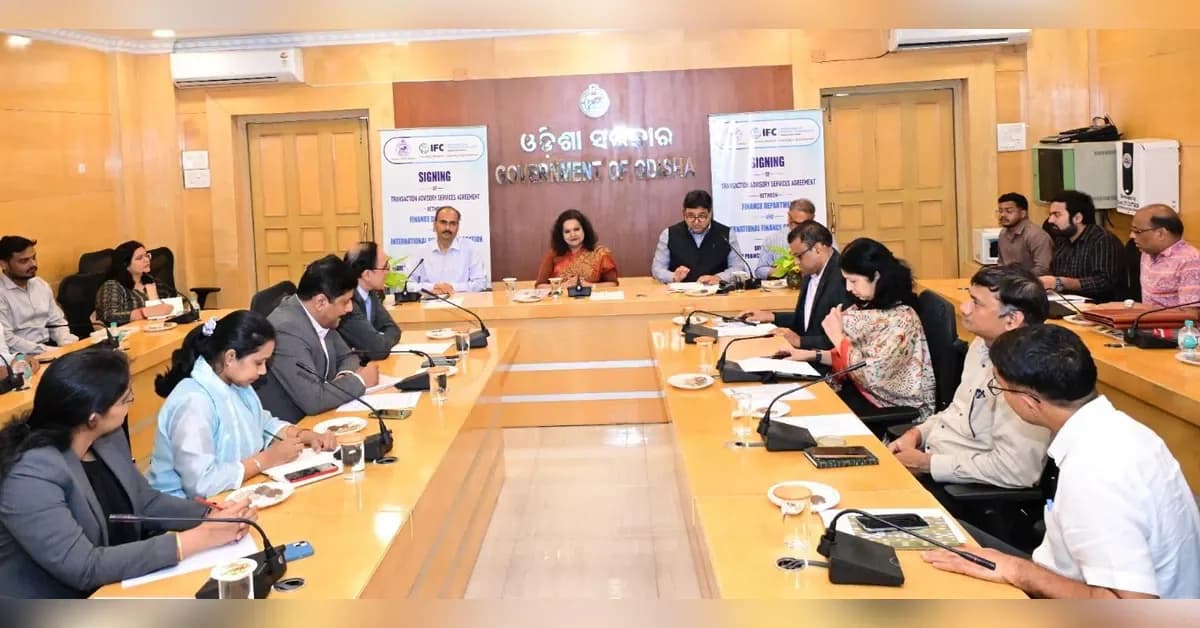
Odisha has signed a Transaction Advisory Services Agreement (TASA) with the International Finance Corporation (IFC), the private-sector arm of the World Bank Group, to develop a comprehensive infrastructure pipeline. According to reports from Business Standard, this marks Odisha as the first state to sign a TASA with IFC, while the corporation is simultaneously in discussions with other states for similar collaborations. The agreement was signed on Friday and is expected to serve as a model for leveraging international expertise and private capital to develop large-scale infrastructure projects through the public-private partnership route.
Under the agreement, IFC will work with the Odisha government over one year to identify and develop around 20 projects across priority sectors, with the combined project pipeline expected to have a potential investment value of nearly ₹20,000 crore. As reported by Business Standard, the projects will be structured with a focus on attracting private participation and ensuring their suitability for implementation through the PPP model. The proposed pipeline will cover renewable energy, power transmission, logistics and transport, urban infrastructure, and electric mobility sectors.
The renewable energy component is expected to support projects that can leverage private capital to expand clean energy generation and associated infrastructure. In logistics and transport, the PPP pipeline is expected to focus on projects that can improve connectivity and strengthen Odisha's position as an investment and manufacturing destination. According to Business Standard, urban infrastructure and electric mobility are also expected to emerge as important areas of collaboration, with the proposed PPP projects supporting the development of new urban assets and services while reducing the financial burden on the public exchequer.
Chief Minister Mohan Charan Maji termed the ranking a reflection of his government's commitment to transparent governance, industry-friendly policies and efficient service delivery. As reported by Business Standard, Industries Minister Sampad Chandra Swain described the recognition as strong validation of Odisha's reform-oriented approach towards industrial development. The Chief Minister congratulated the people of Odisha, industry partners and all departments associated with investment promotion on this achievement, stating that "Odisha's recognition among the top five investment-friendly states is a matter of immense pride for every Odia." He emphasized that the state will continue to undertake reforms, strengthen infrastructure and create an even more enabling ecosystem so that Odisha emerges as one of the most preferred investment destinations in India and globally.
Shalabh Tandon, regional head of operations and acting regional director (South Asia), IFC, described the agreement as a high-priority agenda for the corporation. According to Business Standard, the state government has been focusing on public-private partnerships as a means of supplementing public expenditure and leveraging private-sector expertise, technology and financing for large infrastructure projects. The agreement is expected to pave the way for identifying, structuring and developing a pipeline of bankable and commercially viable PPP projects across key sectors of the state economy.