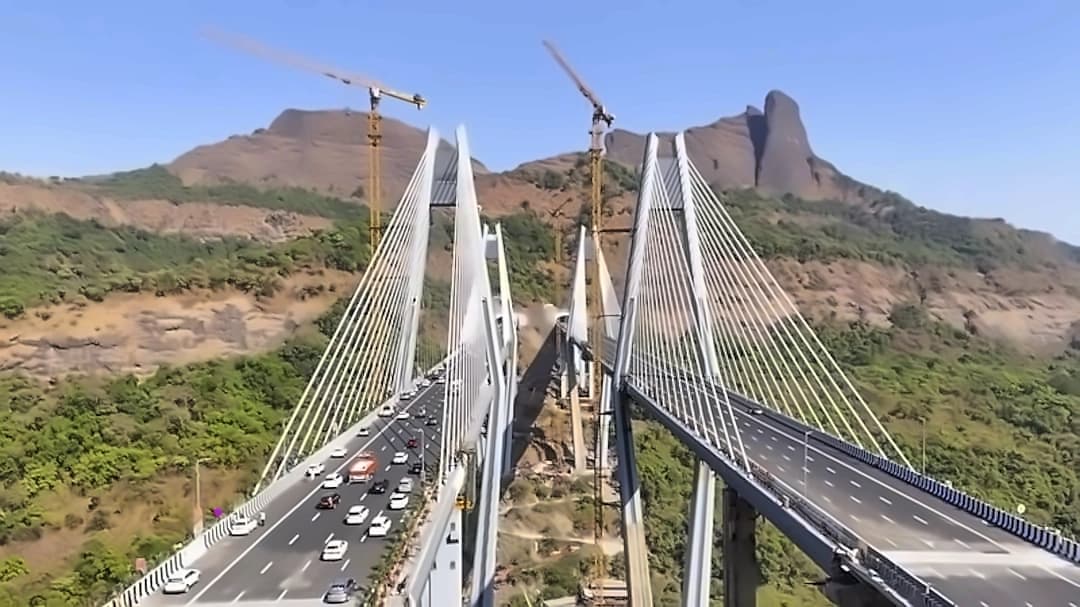
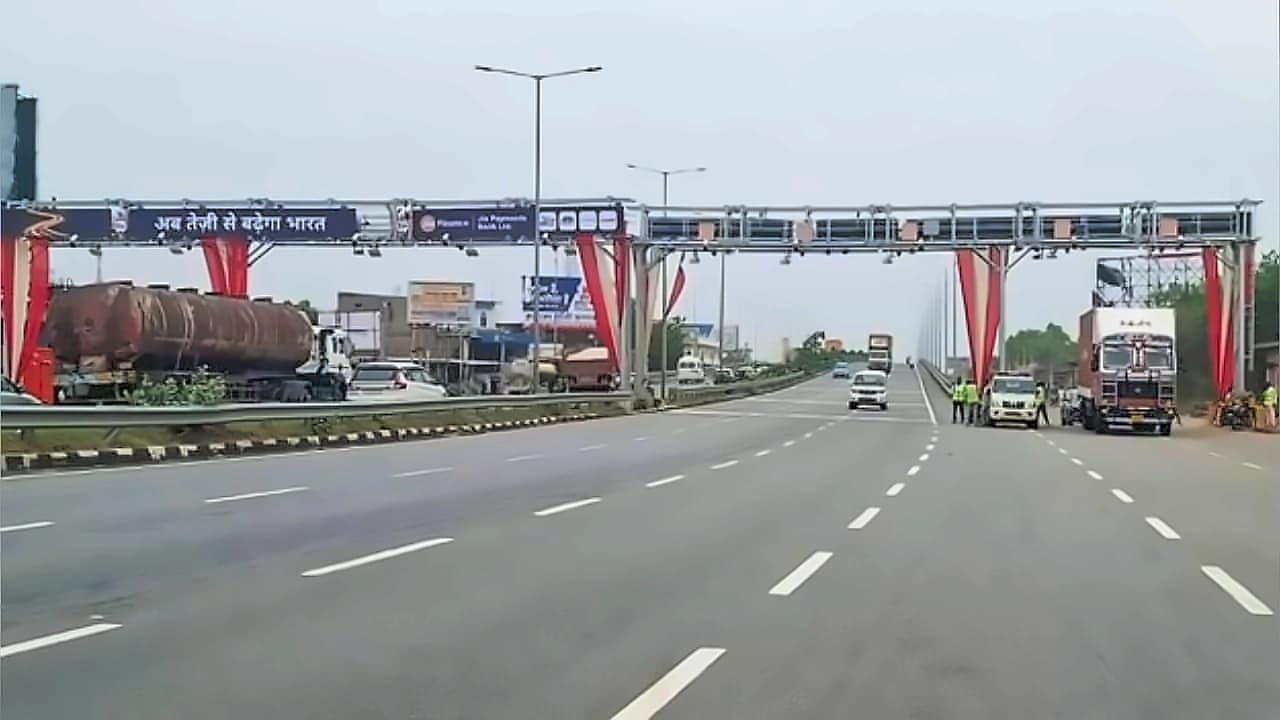
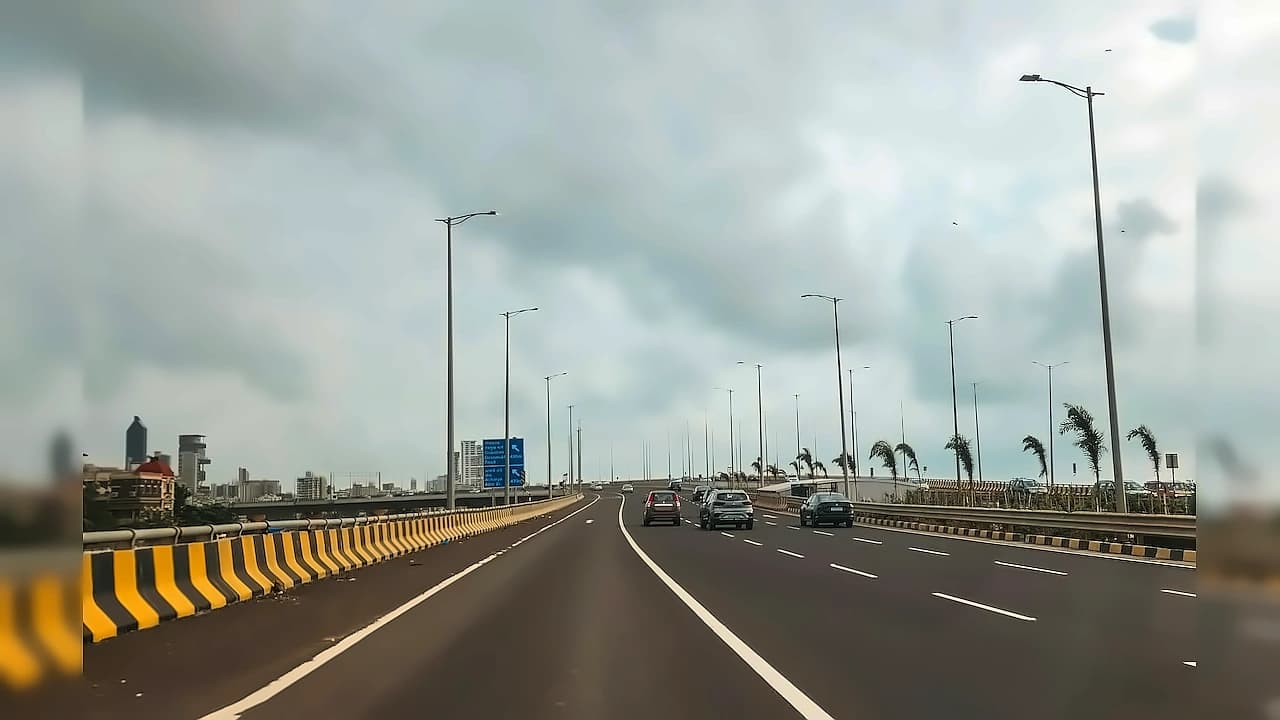
The National Highways Authority of India (NHAI) has invited bids for the next phase of the proposed new Mumbai-Pune expressway corridor that could reduce travel time between the two cities to nearly 90 minutes. According to latest reports, the new expressway will be a 130-km greenfield expressway parallel to the existing Mumbai-Pune Expressway, with an estimated cost of around ₹15,000 crore. The project has gained urgency as traffic pressure on the Mumbai-Pune corridor has risen sharply over the past few years due to rapid urban expansion, industrial growth, the operationalisation of the Mumbai Trans Harbour Link, and increasing movement towards the upcoming Navi Mumbai International Airport. Interested companies can submit bids till June 24, with the bidding process expected to move ahead shortly after this deadline.
The new expressway will be an 8-lane high-speed road built with modern safety features, starting from Chowk in Raigad district and connecting to the JNPT corridor. As reported by NDTV Profit, it will move towards Pune and end at Shivare village in Bhor taluka, linking with the Pune ring road. The proposed corridor will run from Atal Setu-Chowk-Pune-Shirwal, covering nearly 130 kilometres. According to officials, NHAI has already completed planning work for nearly 30 km of the route, while consultancy work for the remaining stretch is underway. One of the key features is that it will directly connect Pune with Mumbai's Atal Setu, helping travellers from Mumbai, Navi Mumbai, and the international airport reach Pune without using the crowded existing expressway. The proposed corridor is expected to eventually integrate with the proposed Pune-Bangalore Expressway and the Navi Mumbai infrastructure network, creating one of western India's most important high-speed mobility corridors.
According to NDTV Profit, the project aims to reduce traffic on the current route and make travel faster and safer. Once completed, the expressway is expected to improve connectivity between the two cities and support economic growth in the region. The new route will make it easier to move goods like raw materials and finished products across Maharashtra, improving the state's transport and delivery system and helping handle future growth in trade and business. The expressway is also expected to improve regional connectivity by linking key growth centres across Mumbai, Navi Mumbai, Pune and adjoining industrial belts. Experts believe the corridor will strengthen Maharashtra's logistics network and support future transport demand driven by economic expansion. Areas located near future interchanges and access corridors could particularly witness rising land demand, with improved connectivity potentially boosting development patterns across the Mumbai-Pune belt.
As reported by NDTV Profit, after the bidding process is over, the government will select a consultant who will study the project in detail and prepare two important reports - the design report and the feasibility report. Tenders for appointing consultants to prepare the comprehensive project report and conduct feasibility assessments have already been invited, with the bidding process expected to move ahead shortly. Sources said NHAI has set June 24 as the deadline for the tender process, after which contractor appointments and technical clearances are expected to be fast-tracked. Preliminary surveys and route inspection work are likely to begin later this year. The ₹4,207-crore Talegaon-Chakan-Shikrapur elevated corridor is planned to improve traffic flow in one of Pune's busiest industrial routes.
For daily travellers and commercial transport operators, the new corridor could prove to be a gamechanger, reinforcing Maharashtra's position as a leader in large-scale transport infrastructure development. The current expressway, while revolutionary when launched, faces massive traffic volumes that often stretch travel time far longer during weekends, holidays, and peak congestion periods. The proposed third corridor is expected to significantly ease traffic load and provide a faster, safer and more efficient route for passenger and freight movement. Once completed, the project is expected to reduce travel delays, lower fuel consumption and improve overall commuting efficiency, supporting Maharashtra's long-term transport infrastructure strategy. The project reflects Maharashtra's broader push toward high-capacity infrastructure aimed at supporting future economic growth and urban expansion, with infrastructure experts believing it could fundamentally transform inter-city travel in western India. The new expressway is also expected to improve long-distance connectivity towards Bengaluru through the proposed Mumbai-Bengaluru Highway network.