Air India Express has become the first airline to launch international services from Navi Mumbai International Airport, with thrice-weekly flights to Abu Dhabi beginning Wednesday. According to reports from Mumbai News, the airline will operate the Navi Mumbai-Abu Dhabi route three times a week, making it the airport's first scheduled international connection since domestic operations began in December last year. The inaugural international flight departed from NMIA at 2:55 am IST and reached Abu Dhabi after a journey of about two-and-a-half hours, carrying around 100 passengers on its maiden voyage. The flight also carried the airport's first international shipment of perishable exports, marking the start of international cargo operations and establishing NMIA as a new gateway for high-value, time-sensitive cargo. Nipun Aggarwal, Chairman of Air India Express, stated that Navi Mumbai is a key pillar of their dual-airport strategy, complementing their network from Chhatrapati Shivaji Maharaj International Airport. As reported by Mumbai News, the route provides travellers with a direct link to the United Arab Emirates and reflects collaborative efforts of government agencies, aviation regulators, airline partners, and airport stakeholders in establishing NMIA as the Mumbai Metropolitan Region's second global gateway.

NMIA has served 2.3 million passengers and built a network spanning 46 domestic destinations since launching domestic operations in December last year. As reported by Mumbai News, the airport currently records around 150 aircraft movements (ATMs) each day and is designed to handle up to 90 million passengers annually on completion, with 20 million passengers capacity in its initial phase of operations. The introduction of international services further enhances the airport's role in satisfying the aviation needs of MMR and western India, with the Abu Dhabi service being the first of several international routes planned for NMIA. Other airlines are also expected to add international flights out of the Navi Mumbai airport in the coming months, according to Mumbai News.
Nipun Aggarwal, Chairman of Air India Express, emphasized that Navi Mumbai is a key pillar of their dual-airport strategy, complementing their network from Chhatrapati Shivaji Maharaj International Airport. According to Mumbai News, Arun Bansal, CEO of Adani Airport Holdings (AAHL), stated that "The launch of their first scheduled international flight marks the beginning of a new phase in Navi Mumbai International Airport's journey." As reported by Mumbai News, AAHL appreciates Air India Express for partnering on this important first international route, with their focus remaining on delivering seamless operations and world-class travel experience while strengthening Navi Mumbai's position as a preferred gateway for international travel. The airport operator expects the service to support exports of time-sensitive agricultural products, as reported by Mumbai News. Developed in multiple phases, Navi Mumbai International Airport began domestic flight operations on December 25, 2025, with the Abu Dhabi service being the latest milestone in its growth trajectory.
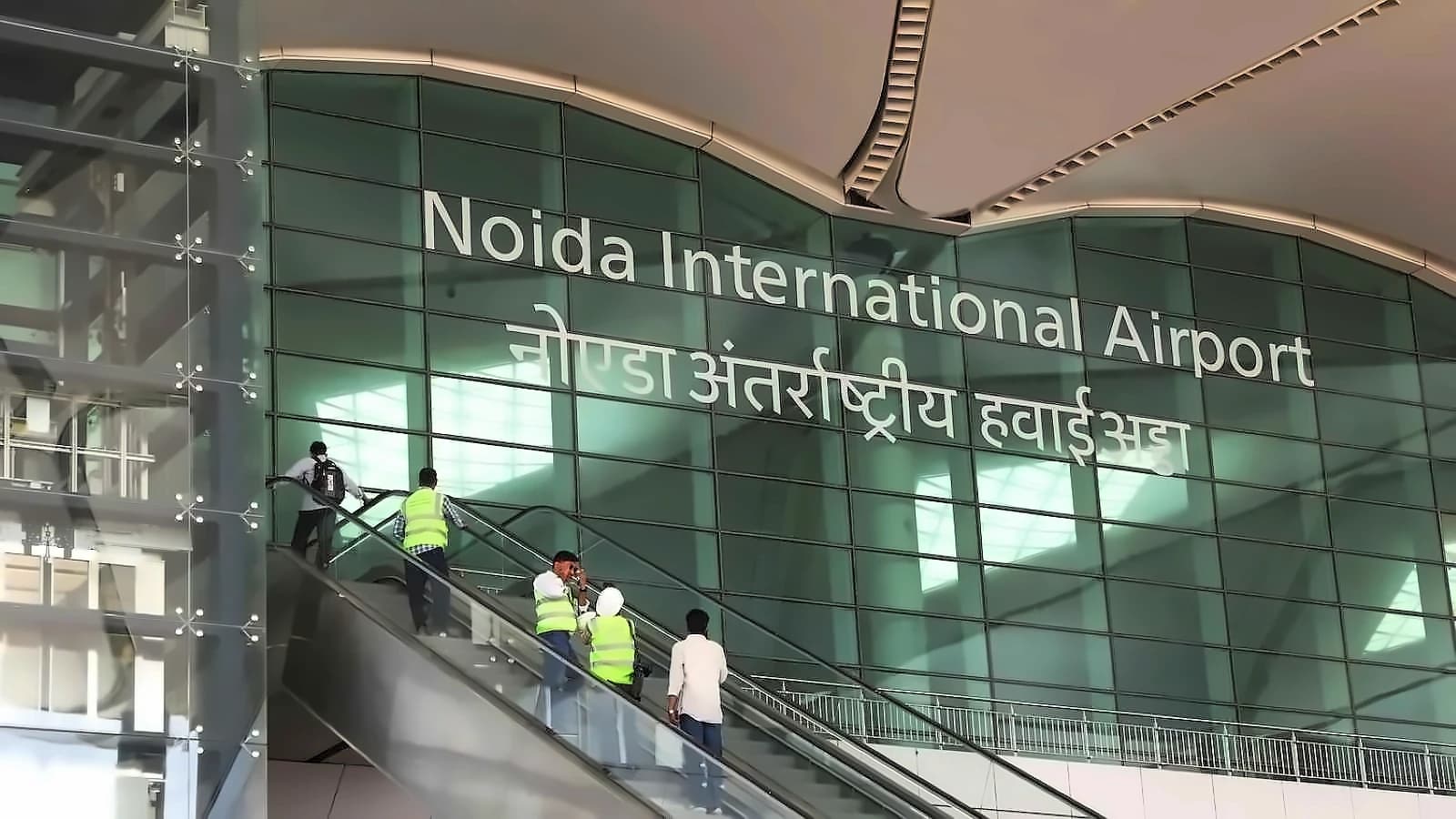
IATO President Ravi Gosain emphasizes that India's aviation growth is increasingly shifting beyond major metropolitan airports, with secondary airports expected to play a bigger role in improving regional connectivity and unlocking new economic opportunities. According to Mumbai News, Gosain states that "India's aviation development is not anymore solely dependent on metropolitan airports growth but rather on building a network where traffic distribution, regional development, and passenger experience improvements would occur." He adds that secondary airports can support India's next phase of aviation growth by supporting tourism, business travel, cargo movement and urbanisation. The long-term success of secondary airports will depend not only on airport infrastructure but also on seamless connectivity through metro rail, railway networks and highways, as reported by Mumbai News. Noida International Airport and Navi Mumbai International Airport are expected to create new economic corridors, attract commercial and logistics investments and improve connectivity for Tier-II and Tier-III cities, marking a strategic shift in India's aviation planning beyond serving only as relief airports for Delhi and Mumbai.