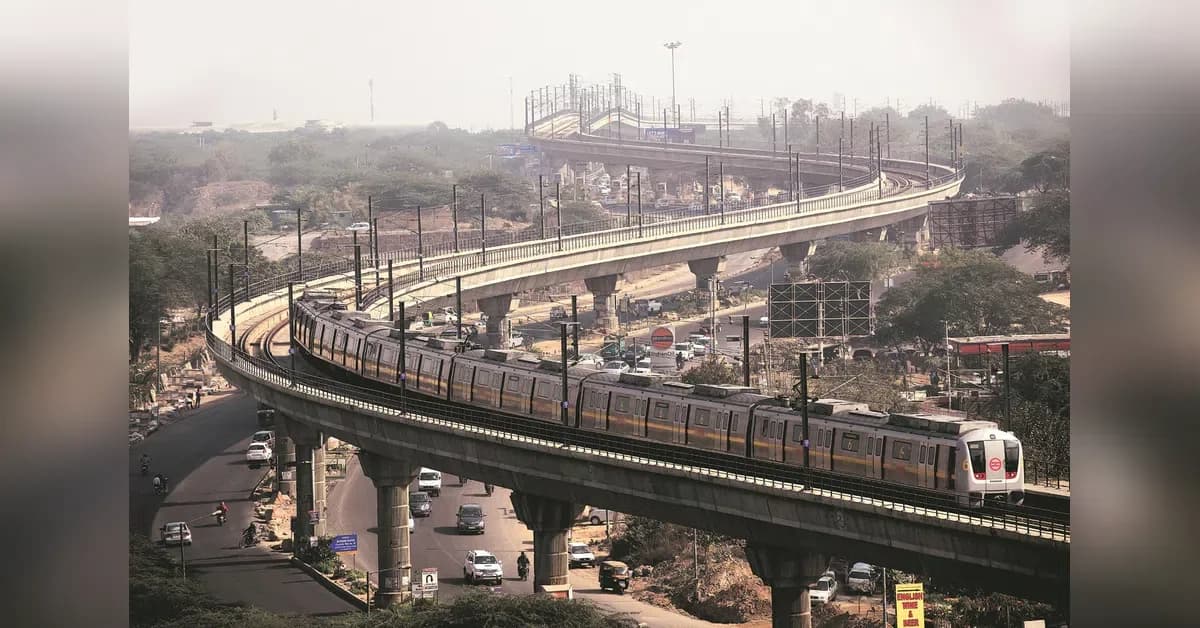
The Ministry of Heavy Industries (MHI) has approved 382 sites for setting up electric vehicle charging infrastructure in Delhi, as announced by Power Minister Ashish Sood on Sunday. According to reports from PTI, the Delhi government's Revenue Department and the Delhi Transport Corporation (DTC) had initially identified 456 sites for EV charging infrastructure, of which 382 were approved by the MHI. The approval comes under the Delhi EV Policy notified on June 30, 2026. As per PTI, all 382 approved sites were reassessed over the past three months following the policy notification, ensuring comprehensive evaluation of each location's suitability for electric vehicle charging.
Under the Delhi EV Policy, all 382 approved sites were reassessed over the past three months for segment-wise deployment, as reported by PTI. The sites have been categorised separately for two-wheelers, three-wheelers and four-wheelers. The site-level assessment was carried out to ensure that Delhi's charging network supports upcoming statutory mandates, including 100 per cent electric registrations for three-wheelers and N1 light commercial vehicles from January 1, 2027, and two-wheelers from April 1, 2028. According to Sood, the reassessment was aimed at ensuring that Delhi's charging infrastructure is capable of supporting these regulatory requirements under the electric vehicle policy.
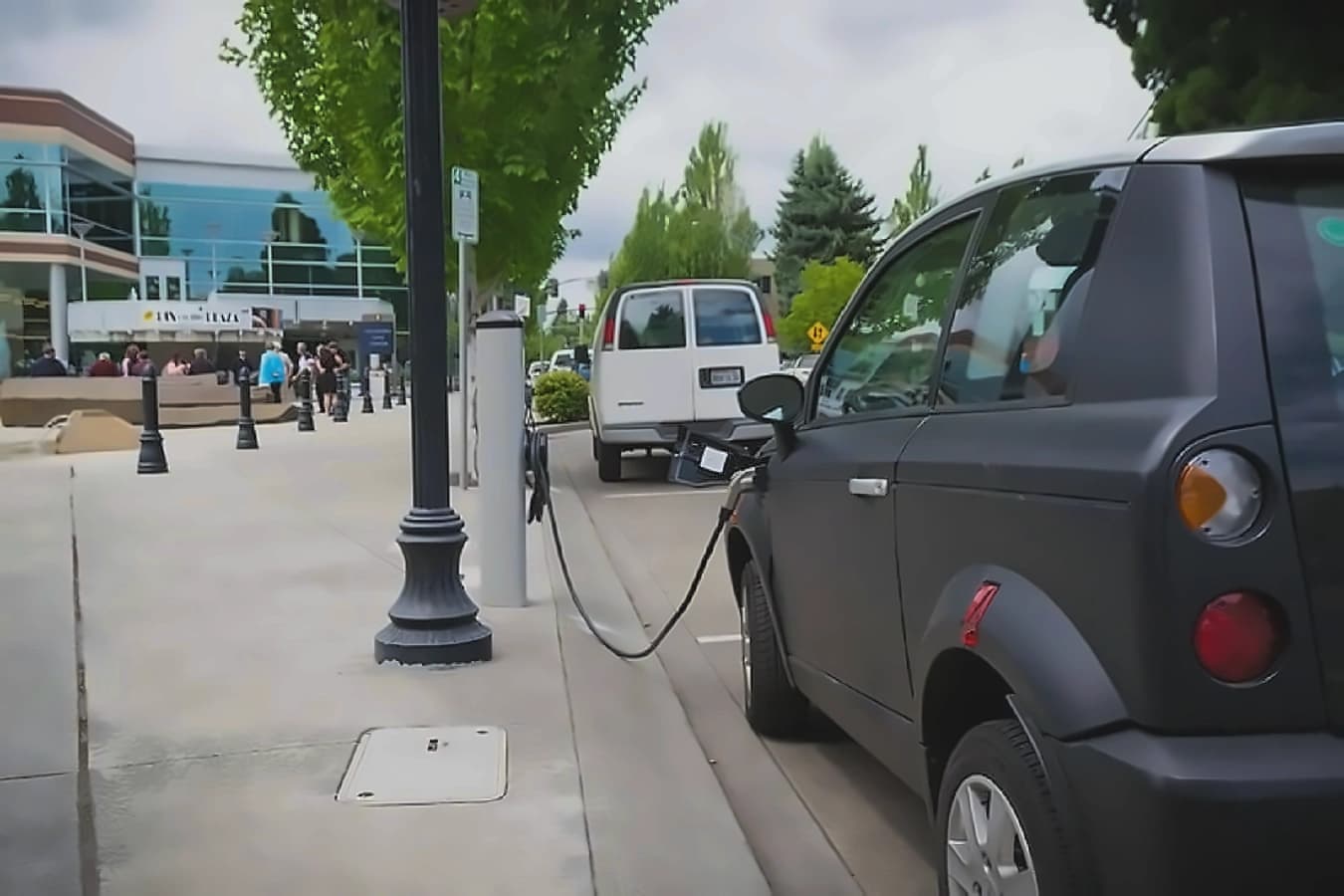
The government has onboarded KPMG as the Project Management Unit (PMU) and the comprehensive site reassessment has been completed, according to PTI. The government is now set to float a tender for the first tranche of 160 to 180 high-readiness sites. Power Minister Sood emphasized that the success of an EV ecosystem should not be measured merely by the number of financial incentives disbursed, but by how quickly charging infrastructure is actually being developed across the city. He stated that Delhi's progress on electric vehicles should not be measured only by the financial incentives offered, but also by how quickly charging infrastructure is actually being developed across the city.
As reported by PTI, Minister Sood stated that by prioritising power availability, grid feasibility and segment-specific charging nodes, the government is ensuring that citizens transitioning to electric vehicles are backed by world-class infrastructure across the capital. He emphasized that Delhi's primary focus has been to lay a sustainable, future-ready infrastructure foundation that directly aligns with the bold deadlines set under the Delhi EV Policy 2026. The minister added that a true EV revolution cannot rely solely on short-term financial payouts, requiring robust, reliable and segment-specific charging infrastructure that eliminates range anxiety for everyday citizens. This latest move comes as Delhi prepares for larger adoption of electric vehicles, with the government seeking to expand charging infrastructure ahead of the mandatory electric-registration targets for different vehicle segments.