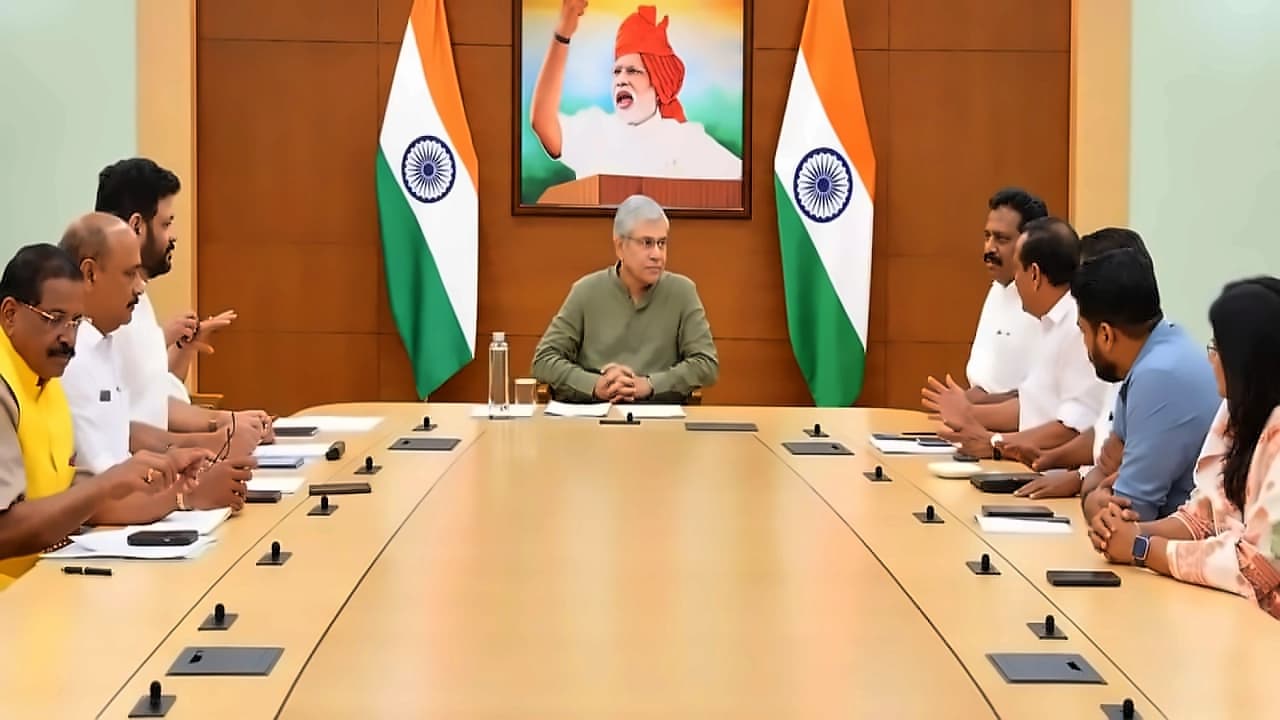
The Kerala government has formally dropped the controversial SilverLine rail project launched under the previous Left Democratic Front (LDF) administration, Chief Minister V D Satheesan confirmed on Wednesday. According to The New Indian Express, Satheesan announced that notices issued for land acquisition linked to the proposed high-speed corridor would be cancelled. The Congress-led United Democratic Front (UDF) cabinet decided to denotify the semi-high speed rail project, marking a significant policy reversal for the state government. As reported by The New Indian Express, this decision fulfills a major poll promise that would bring relief to thousands of families across Kerala who had been affected by the project's uncertainty and protests. ₹65.72 crore has been spent on the SilverLine project as per a written response from the then Chief Minister Pinarayi Vijayan's office in February 2023, with the breakdown including ₹33 crore for consultation fees and ₹79.39 lakh for EIA/feasibility study. The government has now de-notified the project and withdrawn police cases related to public protests, effectively ending the legal proceedings that had accompanied the project's implementation.
Satheesan cited environmental sustainability and financial viability as the primary reasons for the project's cancellation. As reported by The Times of India, he stated that the project lacked a proper Detailed Project Report (DPR) and would have been an environmental disaster. The Chief Minister highlighted that during monsoons, the project would have turned into an environmental disaster, making it unsustainable for the state. He emphasized that the project was financially unviable and that the Railways had questioned its viability in Kerala, where the six-lane NH development is underway. According to The New Indian Express, the government has now de-notified the project and withdrawn police cases related to public protests, effectively ending the legal proceedings that had accompanied the project's implementation.
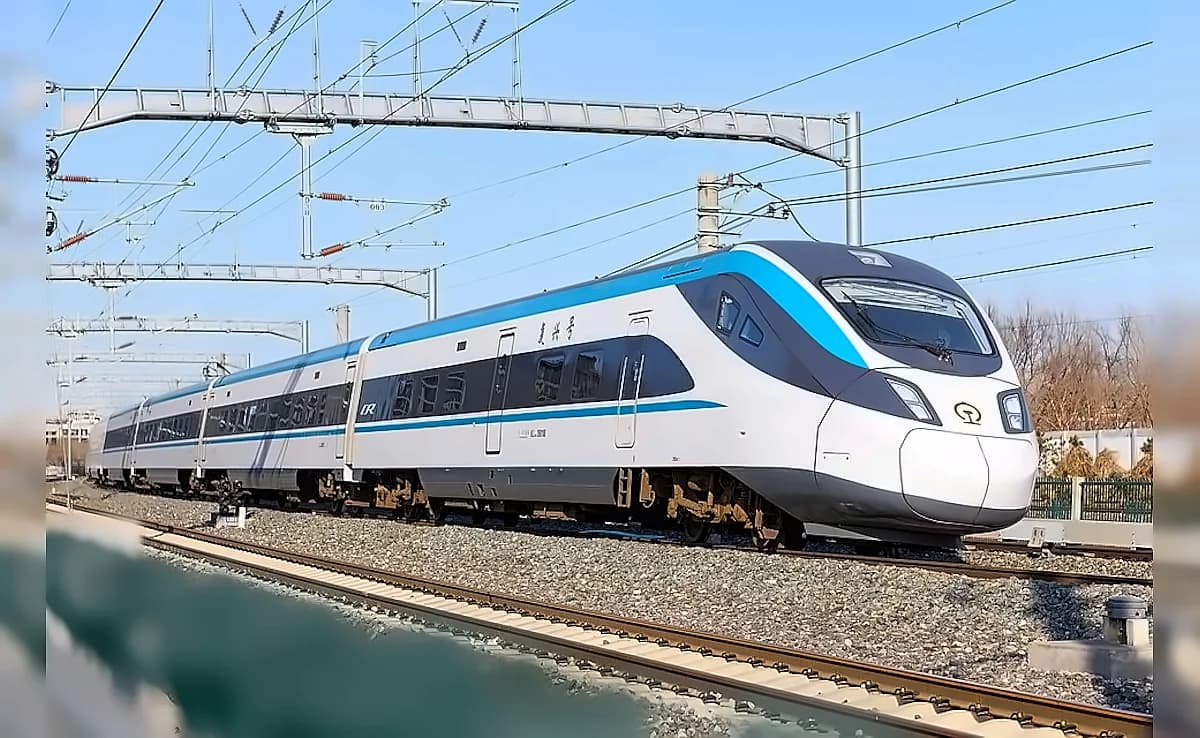
The ₹64,000-crore SilverLine rail initiative was planned as a high-speed route stretching from Thiruvananthapuram to Kasaragod, designed to slash travel time from 12 hours to four hours. According to The Times of India, the 530 km standard-gauge line was planned to run parallel to existing railway lines and mostly on earthen embankments. The trains were expected to run at a maximum speed of 200 kmph, with a nine-car rake carrying 675 passengers in two classes. The project required 1,383 hectares of land acquisition, including 1,198 hectares from private parties, with 11 stations planned en route. As reported by The New Indian Express, the yellow survey poles that symbolised uncertainty and protests will now become a thing of the past, ending the haunting yellow survey stones that had marked thousands of families across Kerala. The 530-km semi-high-speed rail corridor was planned to connect the state capital in the south to Kasaragod in the north, with the project requiring establishing land acquisition units worth ₹19.50 crore that ran into fierce resistance from residents fearing displacement.
The project faced widespread opposition from activists and lacked Railways support, ultimately leading to its denotification. As reported by The Times of India, widespread protests erupted across the state with support from the Congress and BJP, raising concerns about large-scale displacement and environmental damage. The Railways withheld approval, questioning the project's viability and warning it would affect expansion plans of existing railway tracks. The social impact assessment survey for land acquisition was subsequently suspended, with the Railways holding the view that the project would turn into a financial liability for the undertaking. When revenue officials, backed by police, moved in to install survey stones despite resistance from affected communities, the use of force and the resultant tensions drew sharp public criticism. With the BJP leadership also conveying its opposition, the project never secured the Union government's approval despite repeated attempts by the state. According to The New Indian Express, the project's financial unviability and environmental disaster potential were the key factors that led to its ultimate cancellation.
With SilverLine in limbo, the LDF government in January 2026 gave in-principle approval for a Regional Rapid Transit System (RRTS) as a practical alternative for Kerala. According to The Times of India, noting the success of the Delhi-Meerut RRTS, the previous government stated an MoU would be signed with the Centre once it gave in-principle approval for the project. This represents a shift from the high-speed rail concept to a more feasible rapid transit system that addresses Kerala's urgent need for modern transport infrastructure while avoiding the environmental and financial challenges that led to SilverLine's cancellation. The decision to scrap SilverLine comes as railway track doubling work in the state is seemingly on course, though passengers report the progress has been painfully slow. According to The New Indian Express, the UDF mounted massive street protests against the LDF's insistence on implementing the project against the people's will, with the project never securing Union government approval despite repeated attempts.