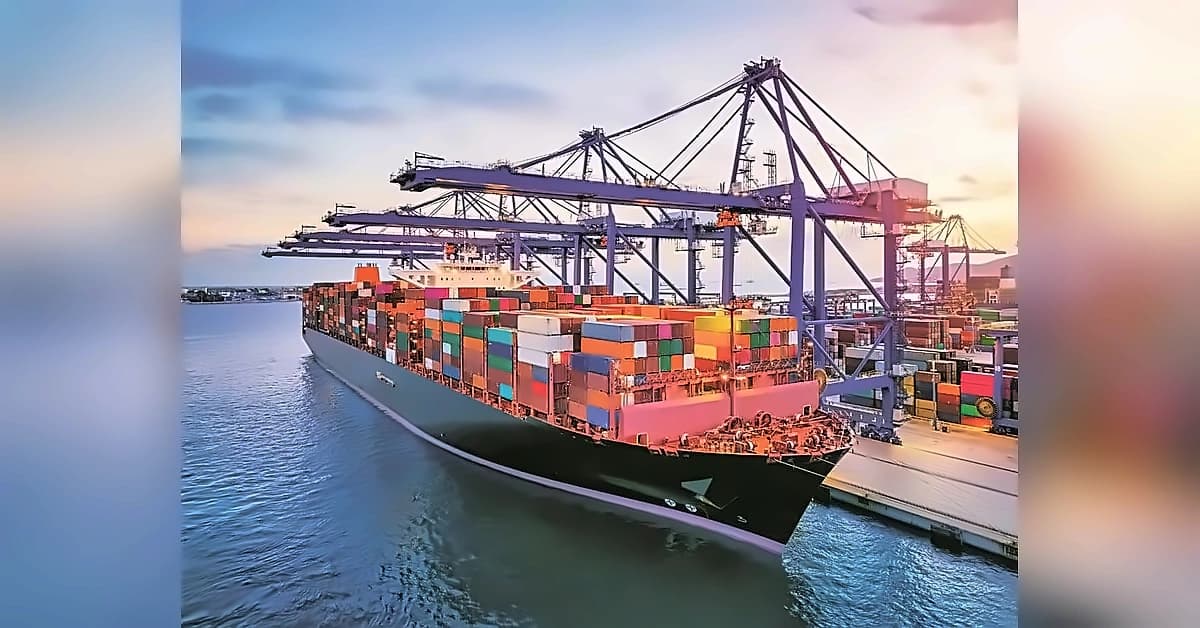
According to the World Bank's Container Port Performance Index (CPPI) for 2025, Maharashtra's Jawaharlal Nehru Port Authority (JNPA) retained its position as India's best-performing container port, climbing one place to rank 22nd globally. The index, published by the World Bank and S&P Global Market Intelligence, showcases JNPA's consistent performance in the competitive global container port landscape. As reported by Business Standard, JNPA has also featured among the top 20 most improved ports globally over the past six years, demonstrating sustained operational excellence.
The private sector saw significant shifts in the rankings, with APM Terminals-owned Pipavav Port overtaking Adani Ports and Special Economic Zone-owned Mundra Port to become the best-performing private container port in India. According to the World Bank report, Pipavav Port ranked 28th globally, while Mundra Port slipped five places to 30th position in the 2025 rankings. Notably, Pipavav was also India's best-performing container port in 2022, as reported by Business Standard, highlighting its consistent performance trajectory.
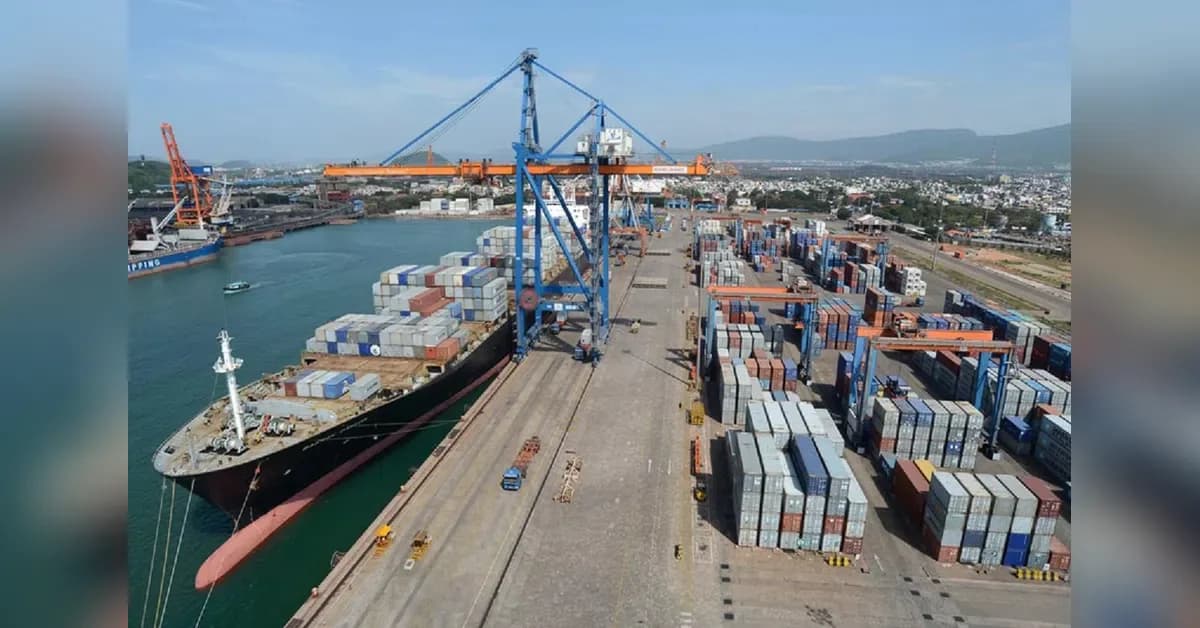
State-owned ports experienced significant declines in their global rankings. State-owned Visakhapatnam Port fell 34 places in the rankings to 104th position in 2025, representing a significant decline from its 19th-place ranking in 2023. This substantial drop indicates challenges in operational efficiency and capacity management among India's state-owned port infrastructure. As reported by Business Standard, this decline contrasts sharply with the improved performance of private sector ports in the rankings.
According to the World Bank report, four of the world's five best-performing container ports in 2025 were in China, highlighting the competitive landscape for global container port operations. The multilateral institution noted that global shocks have affected supply chain productivity, with the CPPI including nonproductive time spent waiting or at anchor during periods of disruption. The report emphasized that during intense disruption periods, a large share of the container fleet experiences delays, compressing arrival patterns and producing short but intense congestion episodes that overwhelm available capacity.
The World Bank report highlighted that when vessels spend additional time in port, effective shipping capacity is reduced, with ships tied up at anchor or berth unable to be deployed elsewhere. This creates cascading effects along service strings, where delays incurred at one port are passed on to the next. The institution noted that bursts of congestion are driven less by steady growth in volumes than by the temporal clustering of vessel calls, with landside constraints further amplifying these effects when inland transport, storage or clearance processes fail to absorb sudden surges.