India has successfully commissioned INS Mahendragiri, the sixth indigenous stealth frigate under the Navy's Project 17A programme, at Visakhapatnam on July 11. According to the Ministry of Defence, the advanced warship will serve as a formidable force multiplier in safeguarding the nation's maritime interests and contributing to a secure, stable and prosperous Indo-Pacific region. The frigate is named after the Mahendragiri mountain peak in Odisha and reflects the Indian Navy's tradition of naming major warships after mountain ranges, symbolising strength, stability and resilience. This commissioning follows the recent induction of INS Taragiri on April 3 and INS Dunagiri during a tricommissioning ceremony at Kolkata on June 21, demonstrating the Navy's accelerated pace of modernisation and its motto of being 'Mighty, Majestic, and Matchless'.
The warship features advanced stealth characteristics with reduced radar, acoustic and infrared signatures, making it difficult to detect during operations. As reported by the Ministry of Defence, the frigate is equipped with a modern Combined Diesel or Gas (CODOG) propulsion system that provides both high-speed performance and long operational endurance across diverse mission profiles. The vessel is armed with an advanced suite of indigenous and state-of-the-art weapons and sensors, enabling it to carry out anti-air, anti-surface and anti-submarine warfare missions simultaneously while maintaining low radar and infrared signatures. The frigate incorporates improved stealth characteristics designed to reduce its radar signature and increase operational effectiveness in complex maritime environments, while being equipped with advanced sensors, enhanced automation, and multi-mission capabilities that allow it to undertake a range of maritime operations. The frigate is designed by the Indian Navy's Warship Design Bureau (WDB) and built by Mazagon Dock Shipbuilders Ltd (MDL), Mumbai, representing the latest addition to a series of advanced indigenous platforms that have entered service over the past two years.
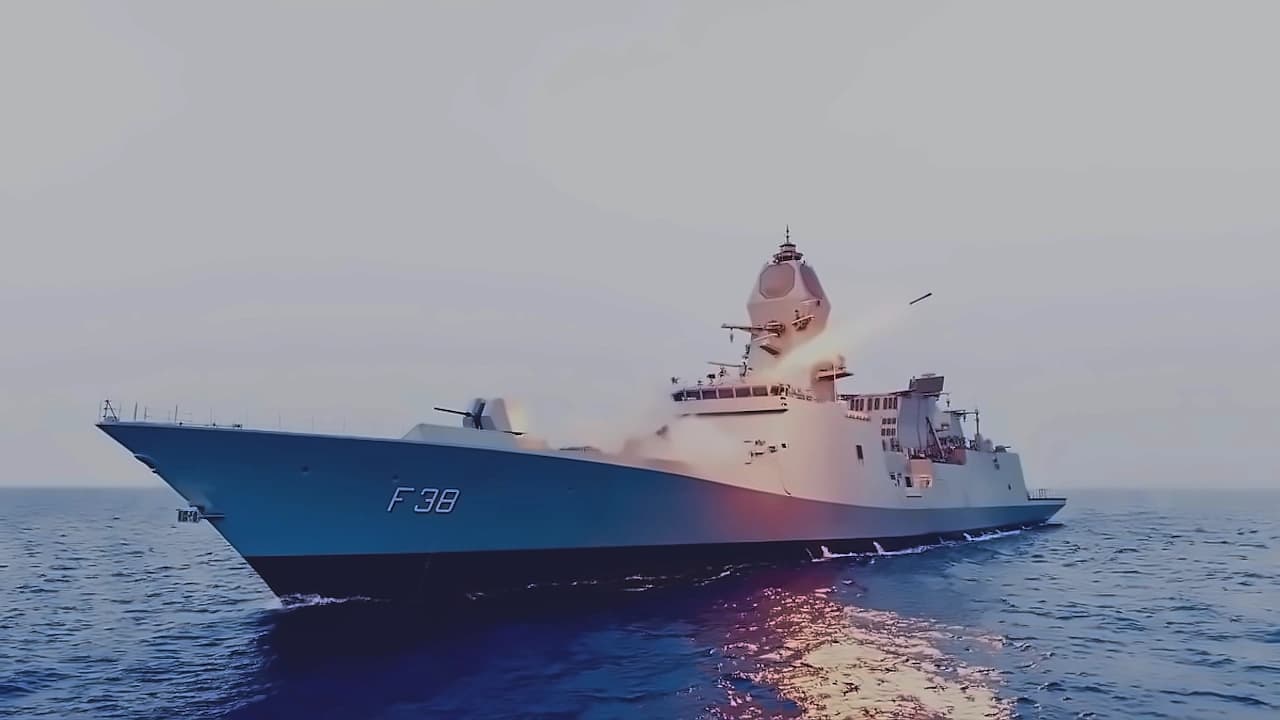
The Mahendragiri boasts over 75% indigenous content, standing as a prime example of the Indian government's Aatmanirbhar Bharat vision. According to the Ministry of Defence, its production successfully mobilised a broad network of domestic manufacturers, including various MSMEs, which stimulated local job creation while fortifying the country's defence industrial infrastructure. The Project 17A frigates are a follow-on class of the Shivalik-class Project 17 frigates, featuring upgraded design, enhanced stealth capabilities and modern combat systems, with a significant portion of the project's equipment and systems sourced from Indian companies, including micro, small and medium enterprises (MSMEs), supporting the government's Aatmanirbhar Bharat initiative. This back-to-back induction of frontline naval assets within months reflects the government's emphasis on accelerating indigenous defence production while enhancing India's maritime preparedness.
As reported by the Ministry of Defence, the mission-ready frigate is designed to conduct anti-air, anti-surface and anti-submarine warfare missions while maintaining low radar and infrared signatures. The navy has inducted several frontline combatants in recent years, including stealth destroyers, survey vessels and submarines, reflecting India's emphasis on reducing dependence on foreign suppliers. Defence analysts noted that the induction of another Project 17A frigate would enhance the navy's operational flexibility amid an evolving strategic environment in the Indo-Pacific. The frigate represents a significant advancement in India's naval capabilities, featuring upgraded design, enhanced stealth capabilities and modern combat systems that position it as a key asset in the country's maritime defence strategy.