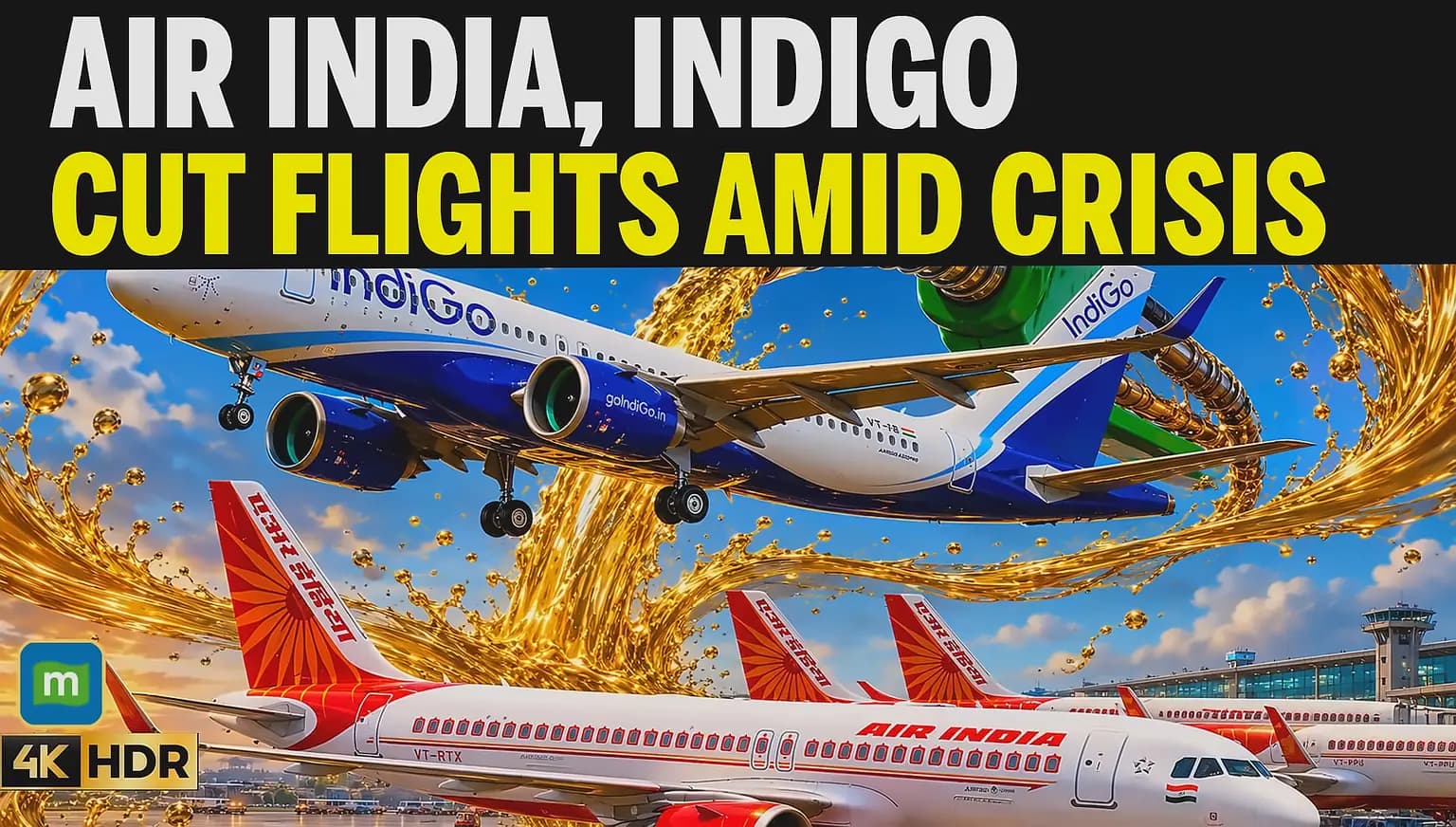
The escalation of conflict in West Asia following the exchange of fire between the US and Iran has significantly intensified capacity cuts for Indian airlines. According to latest reports, Air India Express and SpiceJet have over 80% of their capacity deployed to the Gulf, making them the most vulnerable to the ongoing crisis. The India-UAE corridor remains the busiest international market from India, despite a 6% reduction in capacity to 1.1 million seats, representing 14% of the market this month, which is nearly half compared to the last month. The European Union Aviation Safety Agency (EASA) has reinstated and toughened its warning to airlines, telling them to avoid airspace of Bahrain, Kuwait, Qatar, the United Arab Emirates, and over the Gulf of Oman as the US-Iran war flared up again. Recent developments have highlighted the ongoing security challenges, with the US Central Command accusing Iran of attacking the Cypriot-flagged GFS Galaxy off the coast of Oman, resulting in the death of at least one Indian sailor among the 23 crew members.
India's domestic aviation sector experienced a significant contraction in July, with seat capacity falling 4.6% according to reports from Business Standard. This represents the sharpest decline among the world's top 10 aviation markets, as Indian carriers collectively cut 0.71 million seats compared to 15.57 million seats offered in the same period last year. Among major carriers, IndiGo was one of only three airlines globally to reduce flight frequency by more than 3% in July, cutting capacity by 3.9%. As reported by Business Standard, Deutsche Lufthansa AG reduced flight frequency by 9.9%, while Japan's All Nippon Airlines slashed capacity by 5.5%. According to aviation analytics firm OAG, capacity has contracted most significantly in Kerala by 27%, followed by Goa, Tamil Nadu and Telangana by 14.9%, 14.2% and 12.5% respectively this month, compared to July 25, with these markets continuing to be impacted by a drop in migrant worker traffic to West Asia.
In view of the financial stress faced by airlines due to the sharp increase in ATF prices, compounded by airspace closures and reduced operations, particularly on international routes, leading to lower aircraft utilisation and liquidity constraints, the government in May this year approved the Emergency Credit Line Guarantee Scheme 5.0 to provide targeted credit support to Indian airlines. For the aviation sector, the scheme has specifically earmarked ₹5,000 crore for airlines. The scheme provides structured financial relief with a maximum loan limit of ₹1,000 crore per borrower and an additional ₹500 crore subject to equivalent equity infusion by the borrower. The loans will have a tenure of up to 7 years, including a 2-year moratorium on repayment, thereby easing short-term liquidity pressures.
The capacity challenges extended beyond domestic routes, with international markets showing significant declines. According to Business Standard reports, among the top 20 country pairs based on seats, three markets declined by more than 5% in July. The most affected route was the India-UAE corridor, which saw seat capacity decrease by 5.9% in July over the same period last year, following a 5.7% decline in June. This decline was primarily attributed to the West Asia conflict, with airspace closures over multiple countries forcing airlines to either take longer detours or cancel certain routes altogether.