The Indian Air Force has launched a significant modernization program to replace its ageing transport aircraft fleet. According to reports from Business Standard, the defence ministry floated a request for proposal on August 12 for acquisition of approximately 60 multirole transport aircraft (MTA) to upgrade the old fleet. Bids are scheduled to be received by December 2, marking a crucial step in India's efforts to reduce dependence on foreign-designed aircraft. The initiative comes as India's current transport fleet, including the 12 C-130J-30s and 56 C295 aircraft ordered in September 2021, faces age-related pressures with the An-32 turning 40 in 2024.
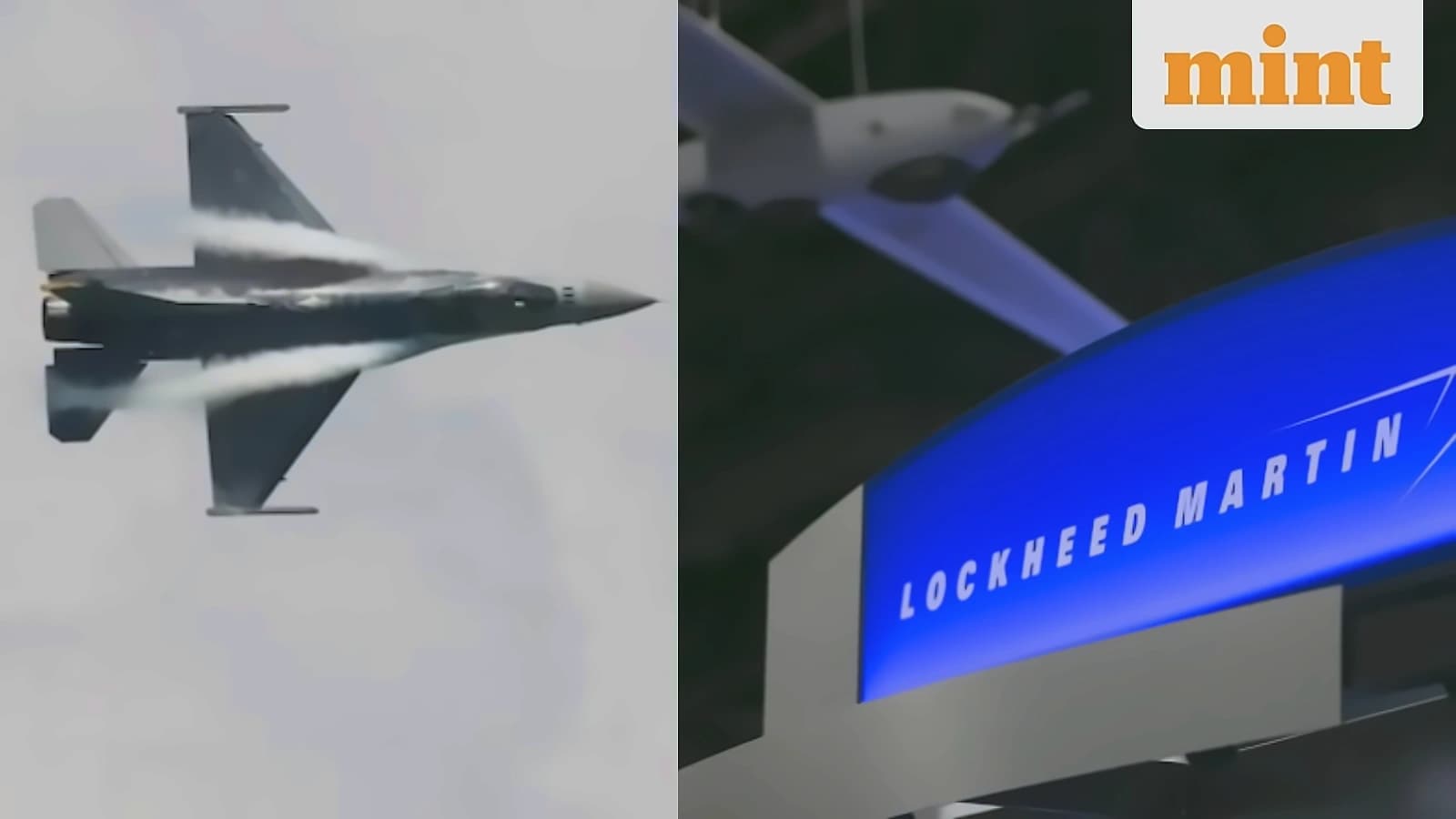
Two major aircraft manufacturers have emerged as contenders for the MTA contract. As reported by Business Standard, Mahindra Group and Brazilian multinational Embraer have settled on Nagpur as the location for the final assembly line for the C-390 Millennium aircraft. Meanwhile, Lockheed Martin's C-130J-30 benefits from an incumbent advantage, with the IAF's existing fleet of 12 C-130Js already in service. According to Lockheed Martin's Rob Toth, the company plans to establish a second C-130J-30 production facility in India if selected, along with a maintenance, repair and overhaul facility in India.
The MTA contest addresses a critical capability gap in India's transport aircraft fleet. According to Business Standard, the IAF currently operates aircraft in three weight classes: 5-6 tonnes, 20 tonnes, and 40+ tonnes. The C295 replaces the Avro in the light category, while the C-17 and Il-76 handle heavy lifts. However, the Hercules is configured for special commando missions, leaving a 20-tonne payload gap that the new MTA is designed to fill. The MTA is targeted at the 18-30 tonne class, representing a significant capability enhancement for India's transport fleet.
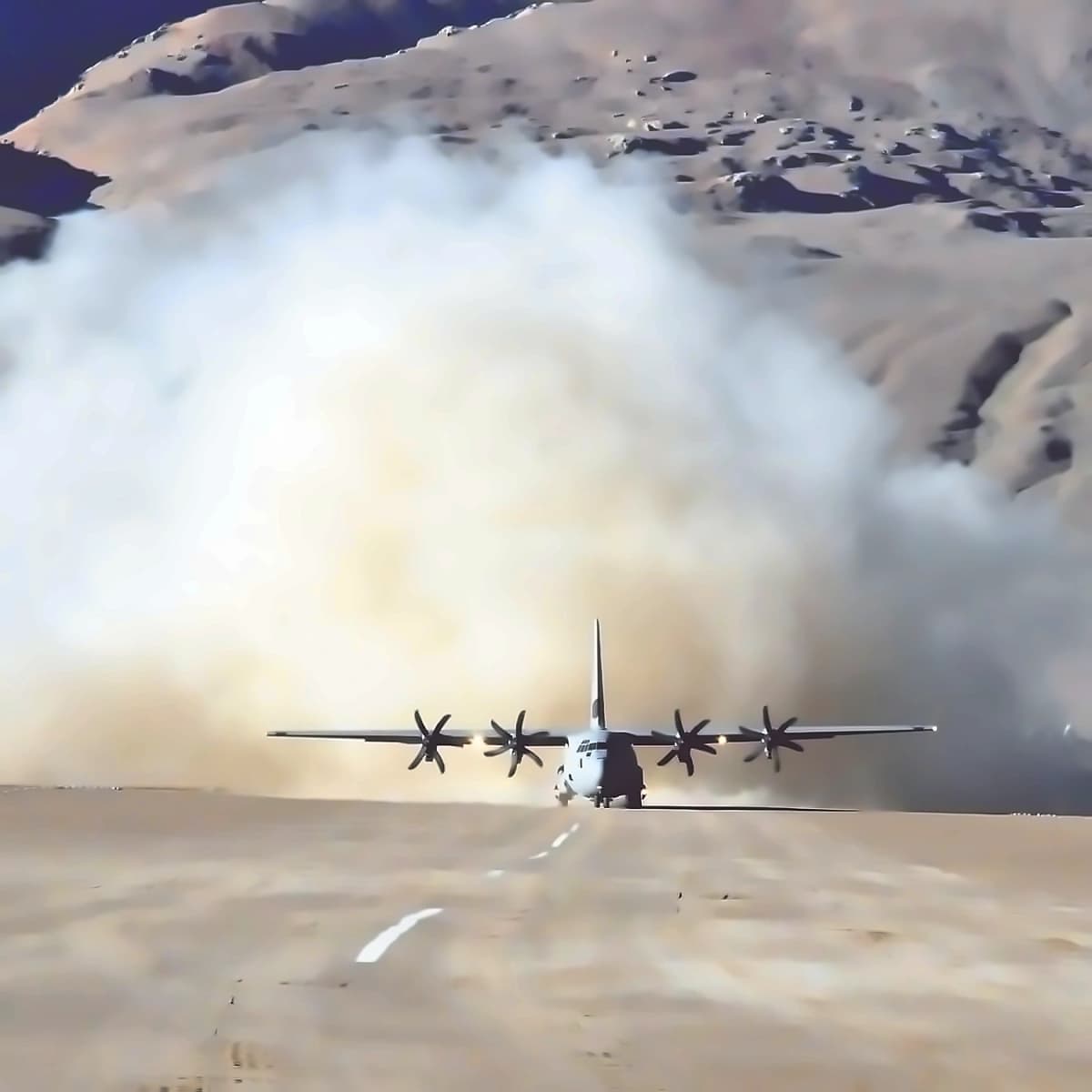
India's transport aircraft manufacturing capabilities have evolved significantly through recent partnerships. As reported by Business Standard, Tata Advanced Systems Limited (TASL) supports the competing Lockheed Martin C-130J, with the Tata joint venture already supplying C-130J-30 empennages containing over 95% indigenous components. The C295 program involves manufacturing 40 aircraft at Vadodara by Tata and Airbus, with more than 85% of structural and final assembly being conducted in India. Airbus and Tata claim over 90% of the aircraft structure will be manufactured in India, including 13,000 detail parts and 37 Indian suppliers.
The modernization program represents India's broader strategy to reduce dependence on foreign-designed aircraft while building domestic manufacturing capabilities. According to Business Standard, Air Marshal Rajeev Sachdeva emphasized that "there is no combat mission that is possible without the transport fleet," highlighting their critical role in military operations. The success of the C295 program, with 96% of work at Airbus's Spanish facility being conducted in India, demonstrates the potential for further advancement. However, as noted by industry experts, the program's success depends on sustained private sector involvement and the ability to manufacture components rather than just final assembly, representing a significant evolution from India's traditional licensing approach to aircraft development.