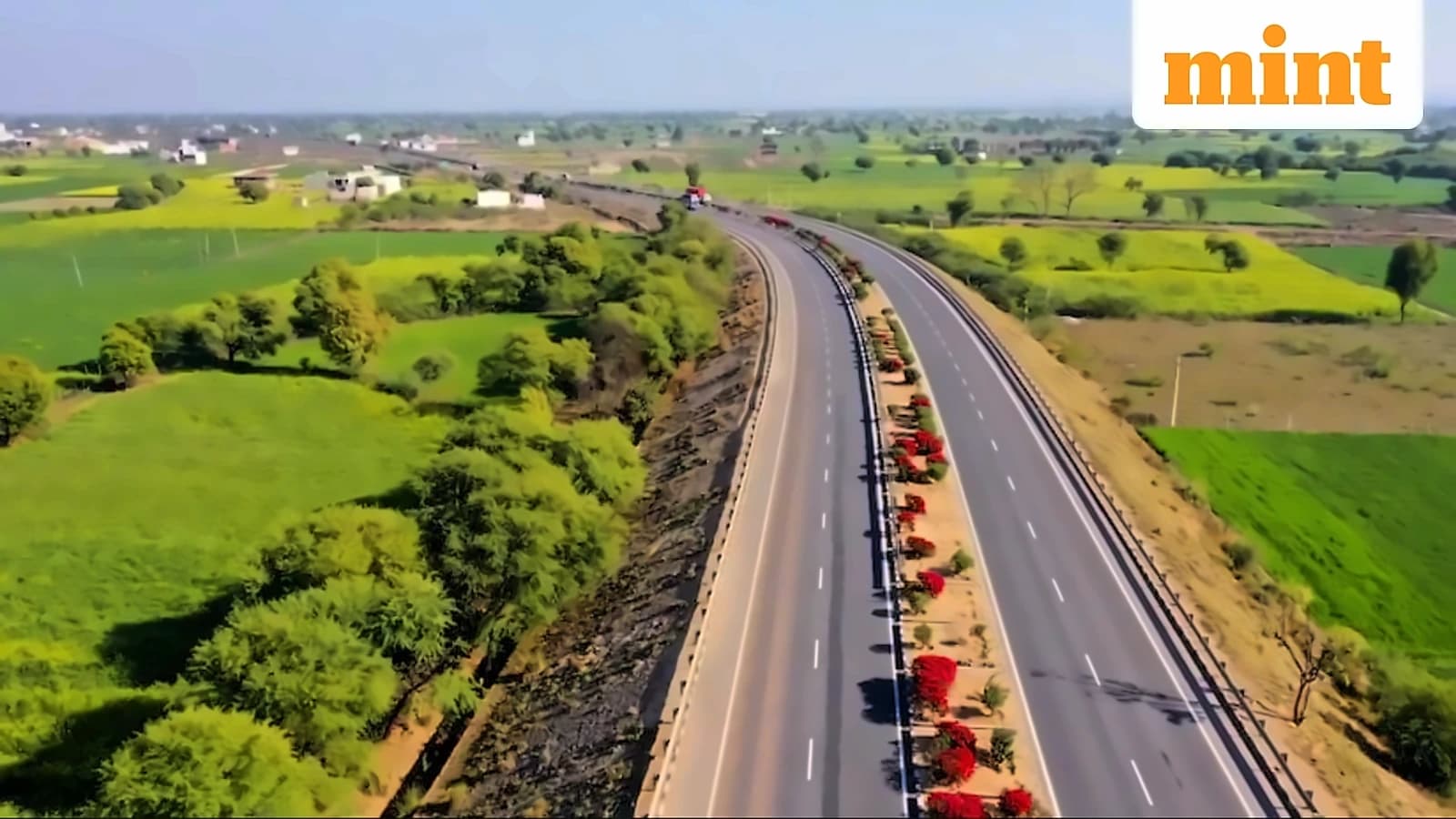
The National Highways Builders Federation (NHBF) has raised significant concerns about the government's revised Build-Operate-Transfer (BOT) model, warning that unresolved issues could deter private participation in highway development. According to reports from Business Standard, the association sent a letter to Highways Secretary V Umashankar on Tuesday, identifying 16 critical clauses requiring changes in the revised model concession agreement (MCA) that was announced just nine days ago.
The primary concern centers on the revised MCA's arbitration provisions, which restrict disputes over ₹10 crore to conciliation mechanisms rather than arbitration. As reported by Business Standard, the NHBF argues that this restriction creates significant concerns for investors and lenders in large-value, long-term contractual obligations. The association has requested the government to remove the flat monetary restriction on arbitration and permit disputes to be resolved through appropriate ad hoc or institutional arbitration frameworks to ensure effective and time-bound resolution.
The federation has specifically challenged provisions regarding concessionaire default related to traffic drops. According to the letter reported by Business Standard, the NHBF states that classifying a consecutive 20% traffic drop as Concessionaire Default leading to termination represents a fundamental misallocation of risk. The association argues that systemic traffic falls are caused by macro-economic factors, competing networks, or policy shifts beyond developers' control, and has requested reclassifying severe traffic falls for two consecutive years as authority default instead.
At an industry event by FICCI in Delhi on Wednesday, Afcons Infrastructure Managing Director Paramsivan Srinivasan echoed similar concerns to Union Minister Nitin Gadkari, stating that India cannot aspire to be the hub of arbitration while avoiding arbitration for its own contracts. As reported by Business Standard, the NHBF claims that without government intervention, there will be apprehensions among developers about participating in these contracts. The association warns that without resolving core concerns around unfair default classifications, dispute resolution, and real-cost delay compensations, upcoming tenders will continue to face zero-bid scenarios and lack of private participation.