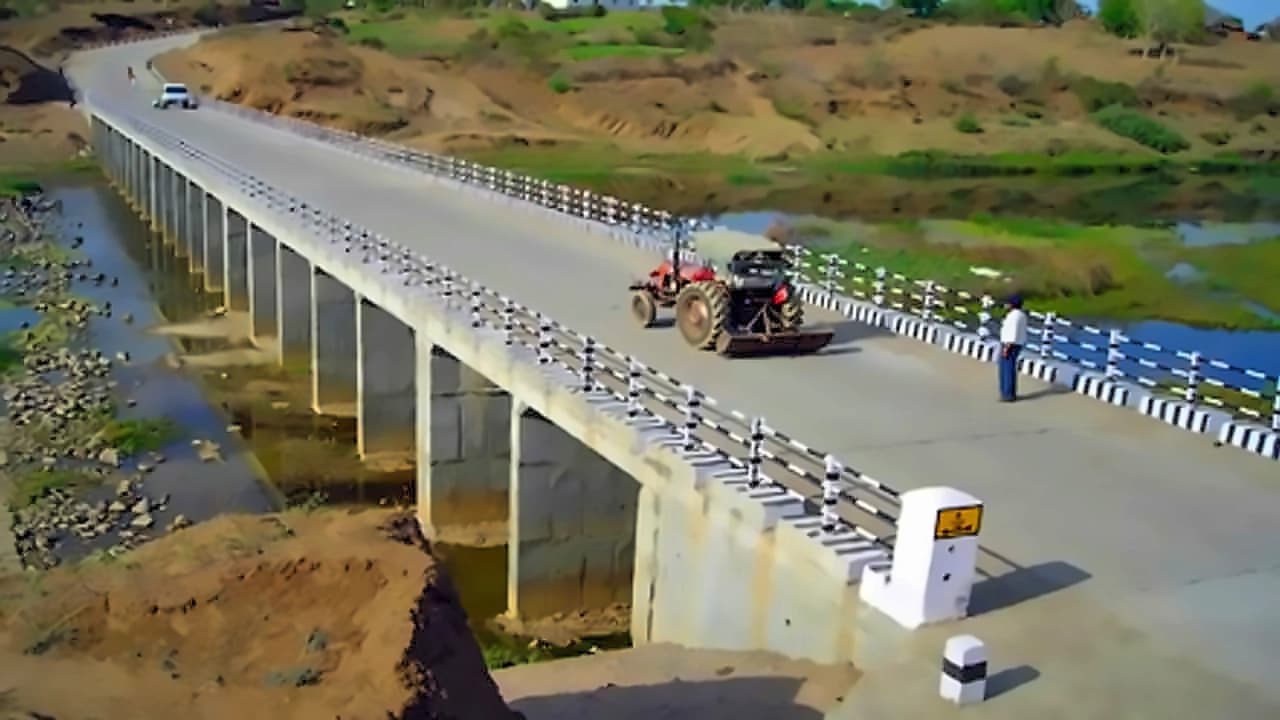
The Government of India has allocated ₹18,907 crore during FY 2026-27 for the construction of 26,474 kilometres of rural roads under the Pradhan Mantri Gram Sadak Yojana (PMGSY) and related rural connectivity initiatives. According to reports from Business Standard, this comprehensive budget allocation was highlighted during a comprehensive high-level review meeting convened by the Ministry of Rural Development to assess the state-wise physical and financial progress under PMGSY and the Road Connectivity Project for Left Wing Extremism Affected Areas (RCPLWEA). The allocation was announced during a high-level review meeting chaired by Rohit Kansal, Secretary, Department of Rural Development, with states directed to expedite the completion of all remaining unconnected habitations under PMGSY-I and PM-JANMAN, with particular attention to Particularly Vulnerable Tribal Group (PVTG) habitations.
A major focus of the recent review meeting was the quality and long-term sustainability of rural road assets. As reported by Business Standard, the Secretary stressed that strict adherence to quality standards and effective maintenance mechanisms are essential for ensuring durable and reliable rural connectivity. The meeting emphasized the universal deployment of the e-MARG (Electronic Maintenance of Rural Roads under PMGSY) platform, enabling real-time monitoring of maintenance activities, performance assessment and payment tracking. Wider adoption of the platform is expected to improve transparency, accountability and efficiency in rural road maintenance across the country.
During the review meeting, states reaffirmed their commitment to accelerating execution, improving infrastructure quality and ensuring that the benefits of all-weather road access reach every eligible habitation across the country. As reported by Business Standard, the Secretary reviewed state-wise targets and implementation status for FY 2026-27, with special emphasis on achieving saturation of rural connectivity in left-out areas. The participating states presented targeted action plans and assured the Ministry that all pending works and annual targets would be completed within the prescribed timelines. States were also urged to strengthen field-level inspections, enhance quality monitoring systems and ensure robust oversight throughout project execution to maintain high standards.
Recognising the strategic importance of road infrastructure in Left Wing Extremism affected districts, the Secretary directed concerned States to maintain close coordination with implementing agencies and ensure timely completion of all sanctioned works. According to the official statement, the Secretary emphasised the need for universal all-weather road access and urged states to fast-track the preparation of Detailed Project Reports (DPRs), resolve execution bottlenecks and ensure timely completion of pending connectivity projects. The Secretary issued state-specific directions for addressing implementation bottlenecks, fast tracking land acquisition and forest clearance proposals, ensuring timely compliance with project milestones, demonstrating the government's comprehensive approach to rural infrastructure development.
The rural road development programme has been a key focus area of the government's infrastructure push, with emphasis on improving connectivity, reducing travel time, and boosting economic activity in rural regions. As reported by officials, the programme is expected to generate employment opportunities in construction and allied sectors, supporting inclusive development by linking villages with nearby towns and economic centres. Experts note that improved rural road infrastructure is likely to have a multiplier effect on agricultural supply chains, rural trade, and overall socio-economic development. The construction targets for FY27 continue the government's broader effort to expand and upgrade rural connectivity across states and union territories, with the initiative playing a key role in enhancing last-mile connectivity and supporting inclusive development.