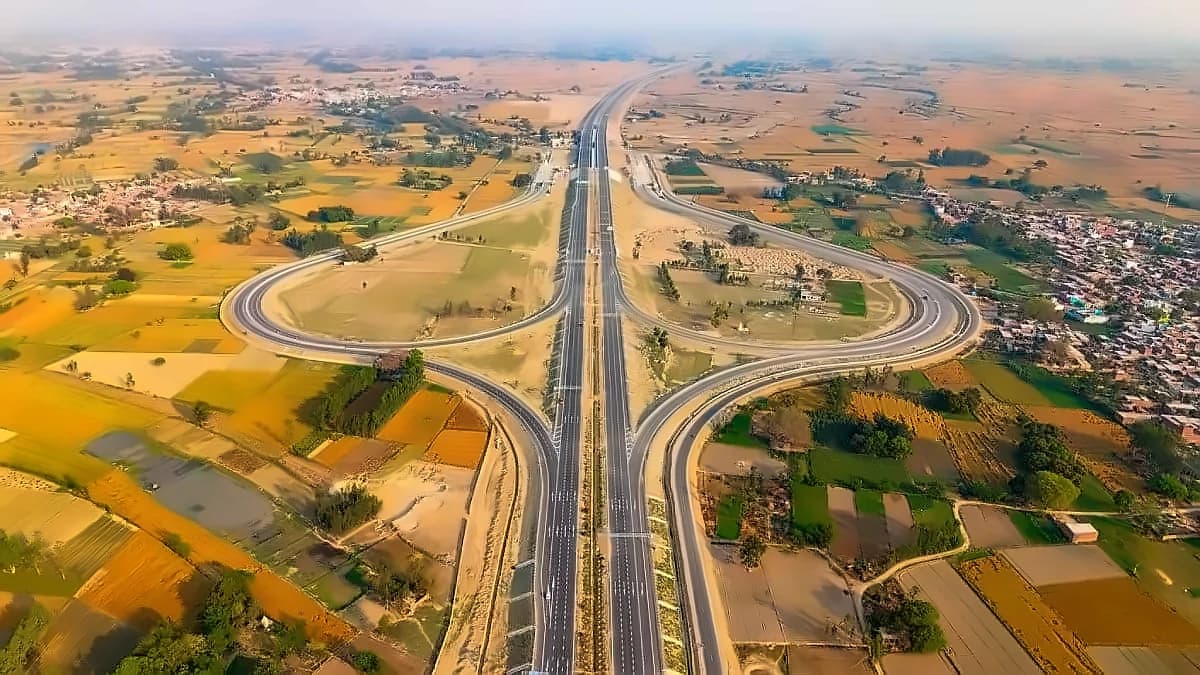
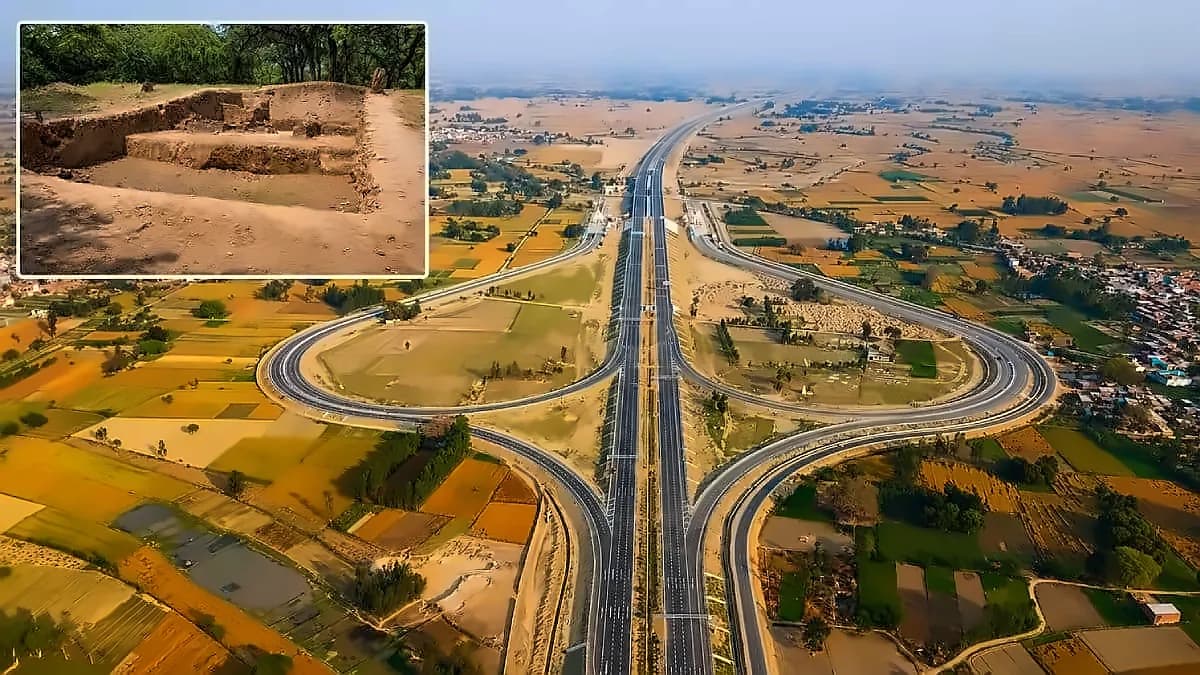
Prime Minister Narendra Modi on Wednesday inaugurated the 594-km Ganga Expressway, marking one of India's largest greenfield infrastructure projects. According to reports from ABP Live, Uttar Pradesh Chief Minister Yogi Adityanath was also present at the event. Built at an estimated cost of ₹36,230 crore, the expressway is now the longest in Uttar Pradesh and is designed as a six-lane access-controlled highway, expandable to eight lanes. Of the total 594 km stretch, 464 km has been constructed by the Adani Group, which handled three of the four sections of the project. The project received state cabinet approval in 2020 and Modi laid its foundation stone in Shahjahanpur on December 18, 2021, with authorities confirming the project was completed within the stipulated timeframe.
The expressway stretches from Bijoli village in Meerut to near Judapur Dandu village in Prayagraj, cutting across 12 districts and significantly reducing travel time between the two cities from 10-12 hours to around 6-8 hours. As reported by ABP Live, the route passes through Meerut, Hapur, Bulandshahr, Amroha, Sambhal, Budaun, Shahjahanpur, Hardoi, Unnao, Rae Bareli, Pratapgarh and Prayagraj. Vehicles can travel at speeds of up to 120 km per hour on the expressway, which has been designed as a multi-purpose corridor integrating logistics parks, warehousing hubs, agro-processing units and manufacturing zones. Proposed toll rates are around ₹2.55 per km for cars, or about ₹1,500 for the full stretch, with FASTag-based toll collection being mandatory.
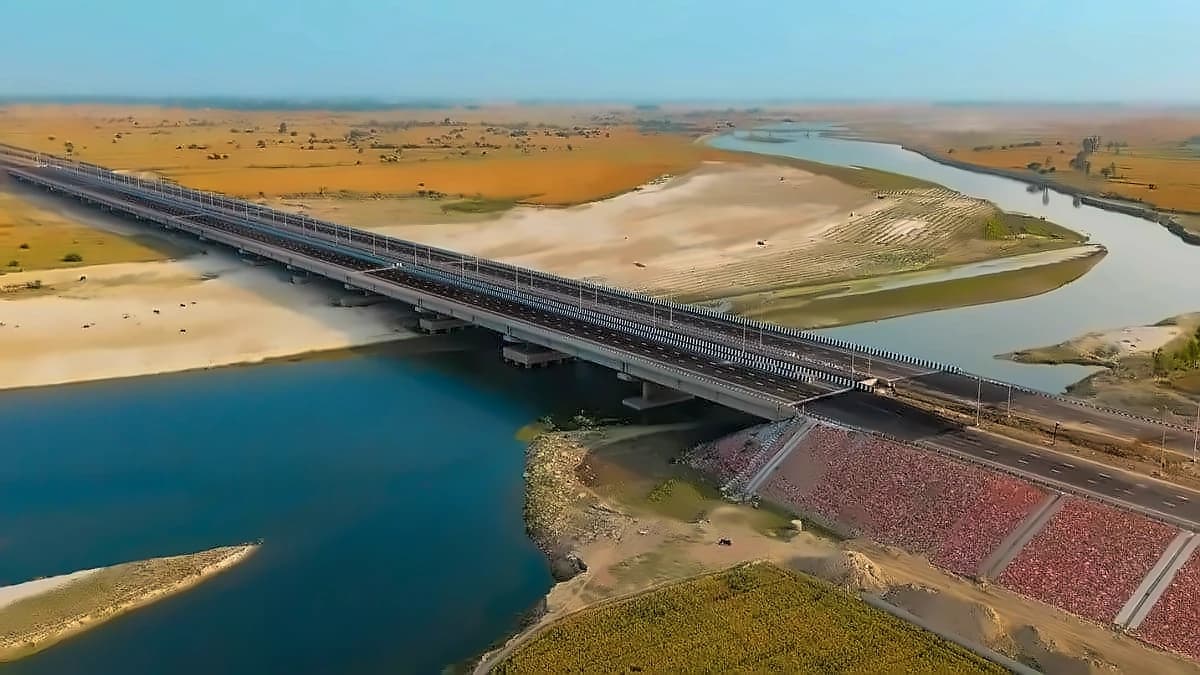
The Ganga Expressway has been conceived as more than a transport link, with 12 Integrated Manufacturing and Logistics Clusters (IMLCs) planned along the corridor, covering 6,507 acres for industrial use. According to Moneycontrol, officials say 987 investment proposals worth nearly ₹47,000 crore have already been received, indicating strong early interest from industry. The expressway connects with key infrastructure networks including the Purvanchal, Agra-Lucknow, Bundelkhand and Gorakhpur Link expressways, forming a wider road network across the state. Around 18,000 acres of land were acquired for the project, with nearly 7,000 acres earmarked for industrial and logistics hubs, including warehouses, cold storage units and food processing facilities.
Industry experts see the expressway as a trigger for real estate growth, particularly in emerging urban centres. As reported by ABP Live, Mohit Goel, Managing Director of Omaxe Limited, noted that with the government's proposed ₹5,000 crore push towards temple town development, the resulting uplift in tourism and civic infrastructure is expected to strengthen real estate demand. Sahil Agarwal, CEO of Nimbus Group, expects the corridor to boost regional connectivity and anticipates 30-40% price appreciation in markets like Meerut and Prayagraj over the next few years.
The expressway includes a 3.5-km airstrip in Shahjahanpur that adds strategic value, enabling emergency landings for fighter aircraft. According to Moneycontrol, the Ganga Expressway is expected to connect with existing and planned road systems including the Yamuna Expressway, Agra-Lucknow Expressway and routes feeding the Noida International Airport. The corridor aims to bridge the gap between western Uttar Pradesh's stronger industrial development and eastern regions' agriculture-dependent economy. If even a portion of the ₹47,000 crore investment pipeline materialises, the corridor could reshape the broader economic landscape of Uttar Pradesh. The expressway is expected to contribute to Uttar Pradesh's goal of becoming a trillion-dollar economy by facilitating faster movement of goods, improving agricultural marketing, and supporting tourism and local businesses.