Maharashtra Chief Minister Devendra Fadnavis has announced that the Dharavi Redevelopment Project will be developed on the lines of modern housing projects in Singapore and Hong Kong. According to reports from NDTV, the first phase is expected to be completed by March 2028. The project, being implemented by the Maharashtra government and Adani Group, seeks to transform Dharavi into a modern township with holistic development for residents at its core. Speaking at a review meeting at Sahyadri Guest House, Fadnavis emphasized that the redevelopment initiative is not merely a construction exercise but a comprehensive programme aimed at improving the quality of life of Dharavi's residents while preserving its unique social and industrial ecosystem. Modern residential and commercial projects are also planned at the bus depot site, with officials stating that the wider Dharavi-BKC region is expected to acquire an international character. Fadnavis directed officials to plan to deliver at least 10,000 houses to eligible residents by 2028 in the first phase of the project, and create a special single-window mechanism to expedite approvals and permissions. As per the Chief Minister, "If all departments work in coordination, this ambitious project can be completed on time and provide Mumbai with a new global identity."
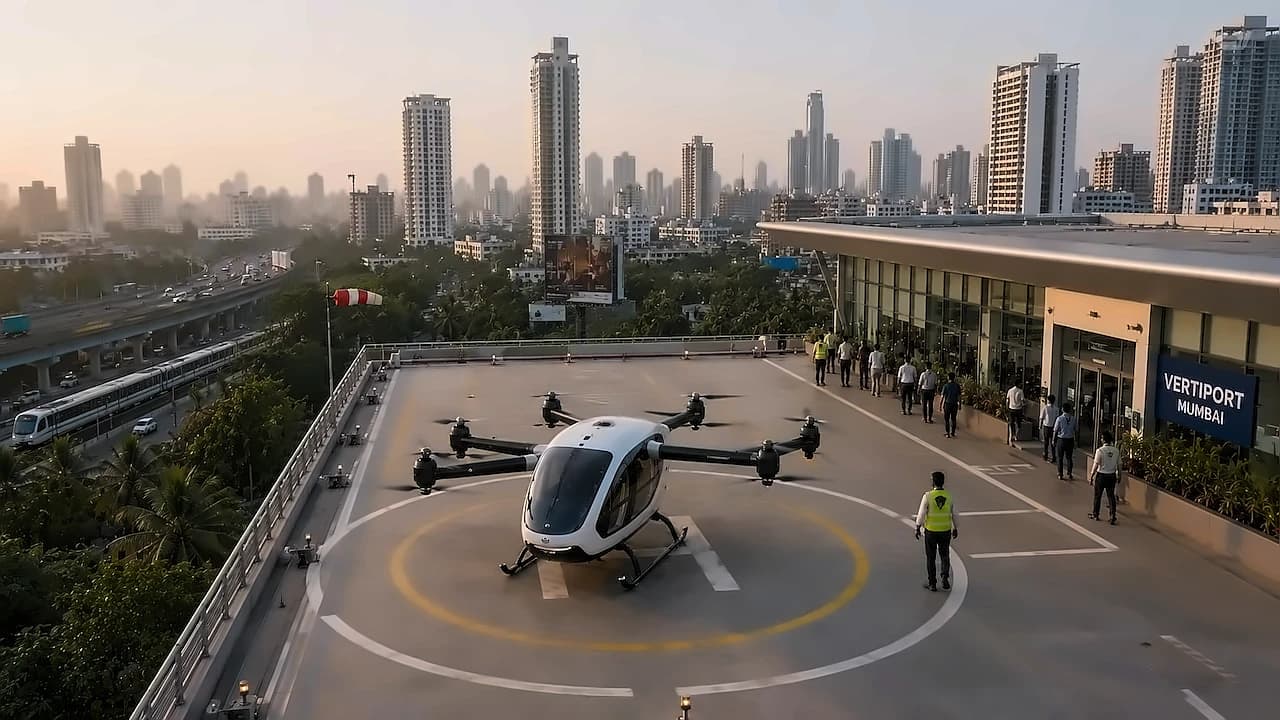
The project will feature India's first multi-modal transport hub, integrating railway lines, metro corridors and future transport systems. As reported by NDTV, the hub will connect the Western, Central and Harbour railway lines with multiple metro corridors. Officials informed the meeting that future connectivity to the Mumbai-Ahmedabad Bullet Train is also being explored. The facility will offer city check-in services for air travellers, enabling passengers to complete baggage formalities in Dharavi before travelling to the airport via Airport Express services. Plans also include a fast jetty for water transport connectivity to the airport and the development of a vertiport for future air taxi services. Work related to rehabilitation buildings, railway land development and supporting infrastructure is progressing in phases and that the required funding is available. The redevelopment project would focus on employment generation, women's empowerment, the protection of small enterprises and the creation of modern infrastructure.
A vertiport for future air taxi services will be developed as part of the proposed multi-modal transport hub. According to the European Union Aviation Safety Agency (EASA), vertiports can be areas of land or water and can be either at street level or on top of buildings. The facility will allow future air taxis and Advanced Air Mobility (AAM) aircraft to take off, land and park, connecting air transport with existing road, rail and metro networks. Through vertiports, it is anticipated that electric or highly automated aircraft will help reduce traffic congestion and improve city connectivity while reducing emissions.
The project aims to provide at least 10,000 homes to eligible residents by 2028 under the first phase of the project. Fadnavis directed authorities to ensure that all clearances required for the project are provided through a dedicated single-window mechanism to accelerate implementation. Eligible residents will receive modern homes equipped with independent kitchens, bedrooms, toilets and natural lighting, along with dedicated sanitation facilities for women. Separate toilet facilities for women will also form an important part of the redevelopment plan. Rehabilitation buildings in Dharavi are scheduled for completion within 42 months, while rehabilitation work in Matunga is planned within 39 months. The redevelopment blueprint further proposes the beautification of the BKC-Dharavi corridor with landscaped green zones, modern pedestrian infrastructure and world-class urban design. Fadnavis stressed that maintaining the interests, livelihoods, and unique identity of local residents is the priority, stating that "since the project is being implemented for the benefit of citizens, protecting their jobs and livelihoods is essential."
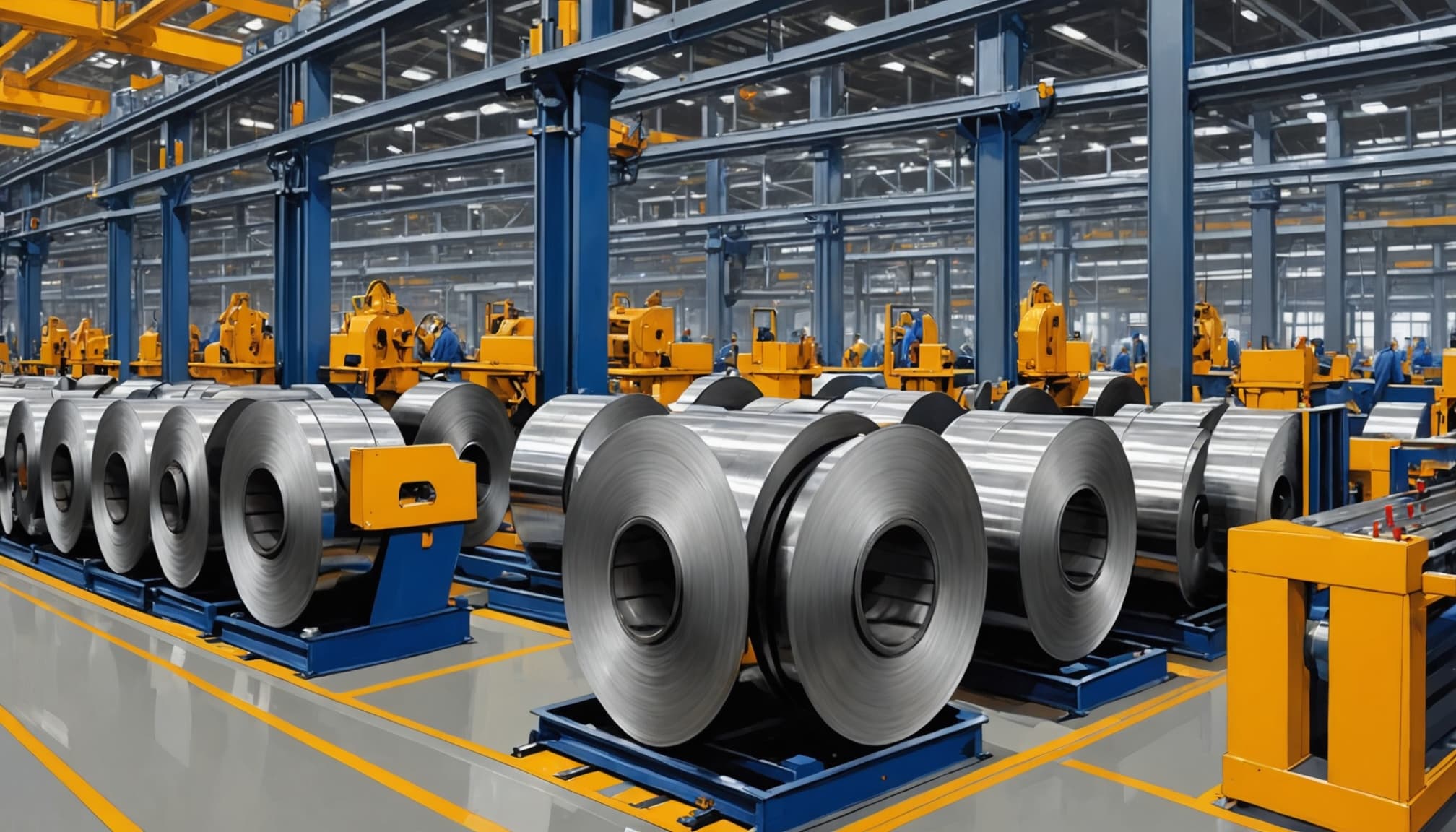
Fadnavis stressed that the livelihoods of residents, workers and small entrepreneurs must be protected during the redevelopment process. The Chief Minister said special efforts would be made to preserve Dharavi's traditional industries, including leather, textiles, recycling, pottery and food processing. A dedicated MSME policy is being prepared to safeguard these sectors and promote employment generation. Plans are being drawn up to develop modern cloud kitchens for food businesses operating in the area, ensuring that commercial development remains complementary to public welfare while maintaining Dharavi's unique industrial ecosystem. Special MSME schemes are being prepared for key Dharavi industries, including leather manufacturing, textiles, recycling, pottery and food products. Fadnavis also directed officials to consult stakeholders to protect Kumbharwada, a hub of pottery, describing it as an important part of Dharavi's cultural and tourism heritage. The Chief Minister stated that a proposed Nature Park should be implemented as part of the redevelopment plan and called for tree transplantation and fresh plantation measures to maintain ecological balance.