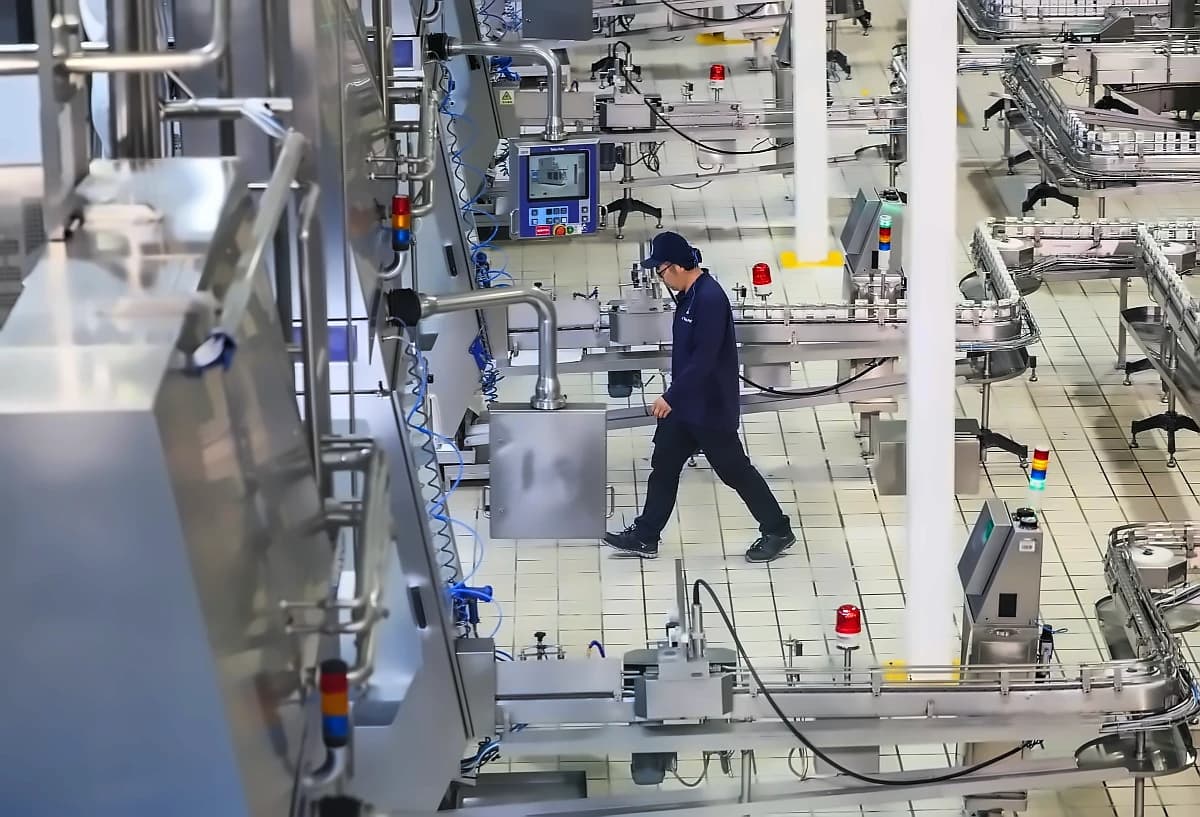
China's economy showed fresh signs of sluggishness in October as factory production expanded only 4.8% year-on-year, missing Reuters poll expectations of 5.3% growth and comparing unfavorably with September's 5.5% rise. According to the National Bureau of Statistics, this deceleration raises questions about how long the world's second-largest economy can rely on exports to underpin growth. Retail sales edged up just 0.4% year-on-year in October, significantly below economists' expectations of 0.8% increase and down from the previous month's 1.1% growth. The underwhelming figures are particularly concerning given that October should have benefited from a seven-day holiday and the month-long Singles Day shopping festival spanning October and November. Results from an official survey for factory activity indicated that sentiment faltered among manufacturers in October compared with the previous month as they reported worse conditions in new orders and new export orders.
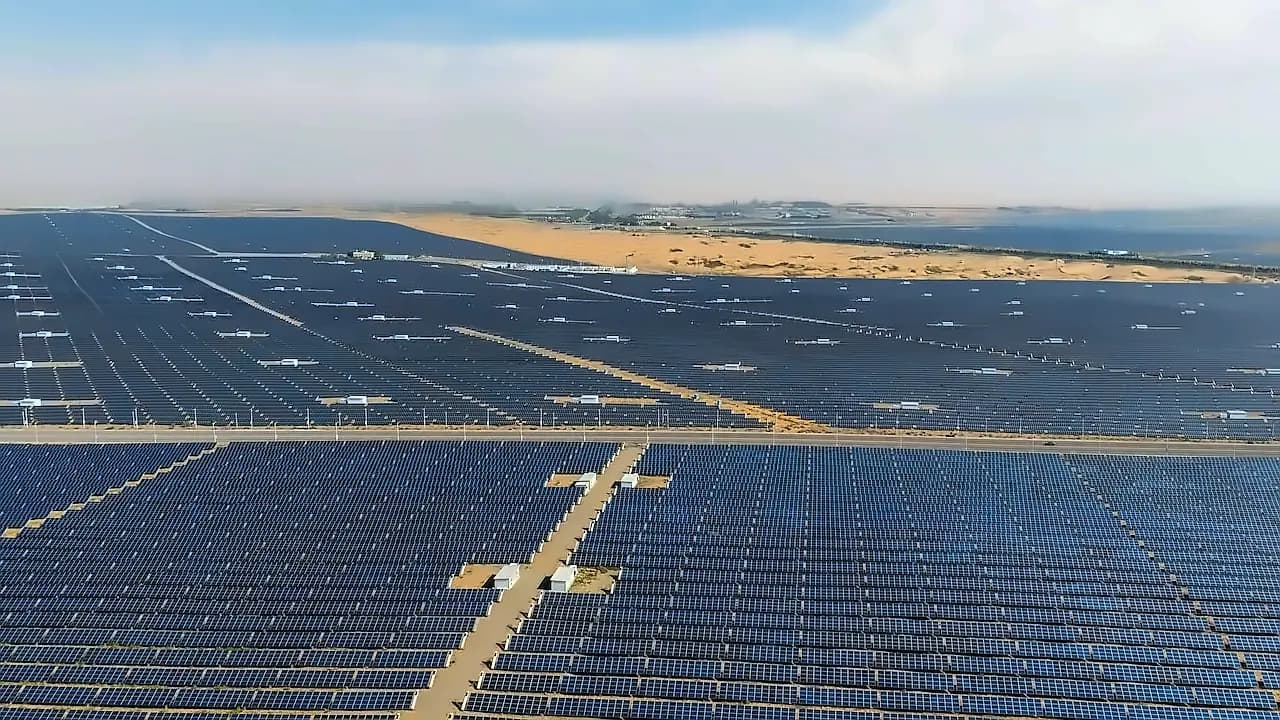
Despite economic headwinds, China remains committed to its clean energy transition with renewable energy generation exceeding 3 trillion kilowatt-hours in the first nine months of 2026. The country has achieved significant progress, with renewable energy now accounting for more than 40% of total power output, demonstrating the substantial scale of China's renewable energy transition. This clean energy output continues a milestone achieved in 2025, when renewable generation fully covered the country's increase in electricity consumption for the first time. By the end of 2025, China's installed renewable energy capacity had reached 2.337 billion kilowatts, representing over 60% of total power capacity. The renewable energy achievement comes as part of China's broader effort to build a new-type power system that is clean, low-carbon, secure and efficient.
An AI-driven export boom has powered China's economic growth this year and looks set to shelter overall growth from external and domestic headwinds into 2027. Trade data released last week showed that goods exports soared in October as the global AI infrastructure buildout continued to elevate sales of high-tech goods. With third-quarter GDP growth running at 4.5% year-on-year, analysts believe Beijing remains on target to reach 4.5%-5.0% growth without the need for significant additional stimulus. No new stimulus measures are expected to be introduced for the remainder of the year, according to Zhaopeng Xing, senior China strategist at ANZ. "Data for the single month of October are unlikely to alter the overall growth trajectory for the year; we continue to project that annual GDP growth will remain above 4.5%," Xing stated. However, imbalances in the country's growth model may persist as solid manufacturing and overseas demand lessen policymakers' urgency to shore up weak domestic demand.
The economic data reveals significant weakness in domestic consumption, with services retail sales growing only 4.9% in the first 10 months compared with the same period last year, narrowing from 5% growth in the first three quarters. An NBS spokesperson acknowledged the challenge, stating that "there is huge potential for consumption but people's capacity and willingness to spend need to be enhanced." 2026 was one of the weakest years for domestic demand in recent history, according to Lynn Song, ING's chief economist for Greater China. Looking ahead, the negative impact from a trade-in programme that had pulled purchases forward could ease in 2027, with policy support for domestic demand potentially picking up if external demand worsens.
Fixed-asset investment declined 8.1% in the January-to-October period, widening from the 7.2% drop in the first nine months and missing expectations for a 7.0% decrease. However, the surveyed urban unemployment rate improved to 5.1% from 5.2% in September. Beijing has introduced fresh support measures, including steering cheaper credit into infrastructure and technology sectors, as well as expanding support for home buyers. Regulators also rolled out measures in early November, including conducting swap operations and upgrading a lending facility for stock buybacks by listed companies, as part of efforts to stabilise struggling capital markets. Looking ahead, policymakers will step up policy support for domestic demand if the tailwind from the AI boom tapers off.