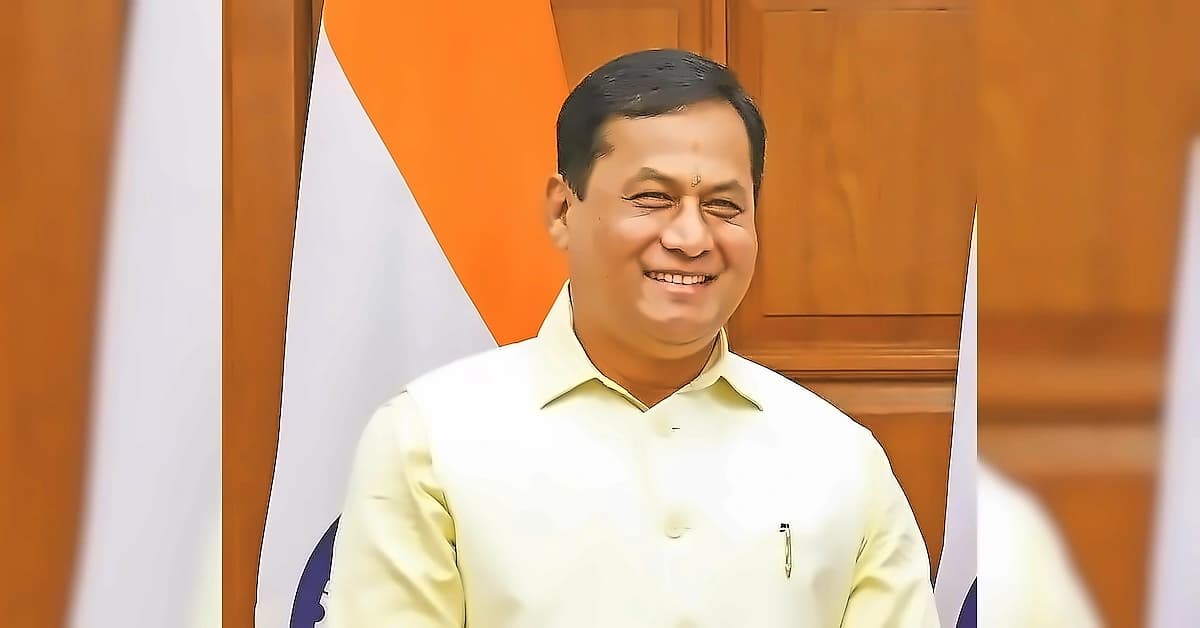
The Union government has initiated the national rollout of water metro services across 18 cities, with the Union Ports, Shipping and Waterways Ministry circulating the draft National Water Metro Policy for inter-ministerial consultation. As reported by the ministry, this comprehensive policy framework aims to transform inland waterways into efficient, sustainable, and modern public transport corridors through eco-friendly urban mobility solutions. The draft policy proposes the use of electric and hybrid ferries and seeks to standardise vessel design, terminals, charging infrastructure and safety systems across projects. Union Minister Sarbananda Sonowal chaired a review meeting on the rollout, emphasizing that the initiative builds on the success and learnings from the Kochi Water Metro to create a national framework for water-based urban mobility. The proposed system is envisioned as a mass public transport solution catering to both daily commuters and tourists, operating across all navigable waterways.
The Union government has identified 18 cities for water metro services rollout, with Guwahati, Srinagar, Patna, Varanasi, Ayodhya and Prayagraj included in the first phase, according to Union Minister Sarbananda Sonowal. As reported by the ministry, in the second phase, Tezpur and Dibrugarh in Assam will receive water metro services. The minister announced this development while chairing the review meeting, highlighting that the proposed rollout aims to reduce congestion in cities while offering a comfortable, scenic, and smoother commuting experience through waterways. The government is now rushing the national water metro services to push urban water transport solutions across these identified cities.
The proposed water metro systems are designed to be significantly less capital intensive as they utilize existing waterways with minimal civil infrastructure, Sonowal explained. According to the ministry, the system offers faster construction timelines, lower land requirements, and reduced operational costs through the adoption of electric and hybrid ferries. The minister emphasized that these services will contribute to reducing congestion in cities while offering a viable and eco-friendly alternative to conventional urban transport, particularly through the adoption of electric and hybrid ferries.
Water metro projects will be prioritized in cities with suitable geographic conditions, including continuous or semi-continuous waterways, and populations of more than one million, especially where there is significant transport demand and tourism potential. As reported by the ministry, cities with populations exceeding one million and with demonstrated transport demand, particularly in tourist corridors, will be considered. However, these criteria may be relaxed in cases where projects significantly reduce road congestion, improve connectivity to remote or water-locked areas, or enhance resilience during floods and disruptions. The ministry stated that funding options under consideration include joint Centre-state funding, state-funded projects, public-private partnerships and fully Centre-funded models. The proposed framework also includes development of terminals, pontoons, jetties, charging and bunkering infrastructure, passenger facilities and navigational aids.
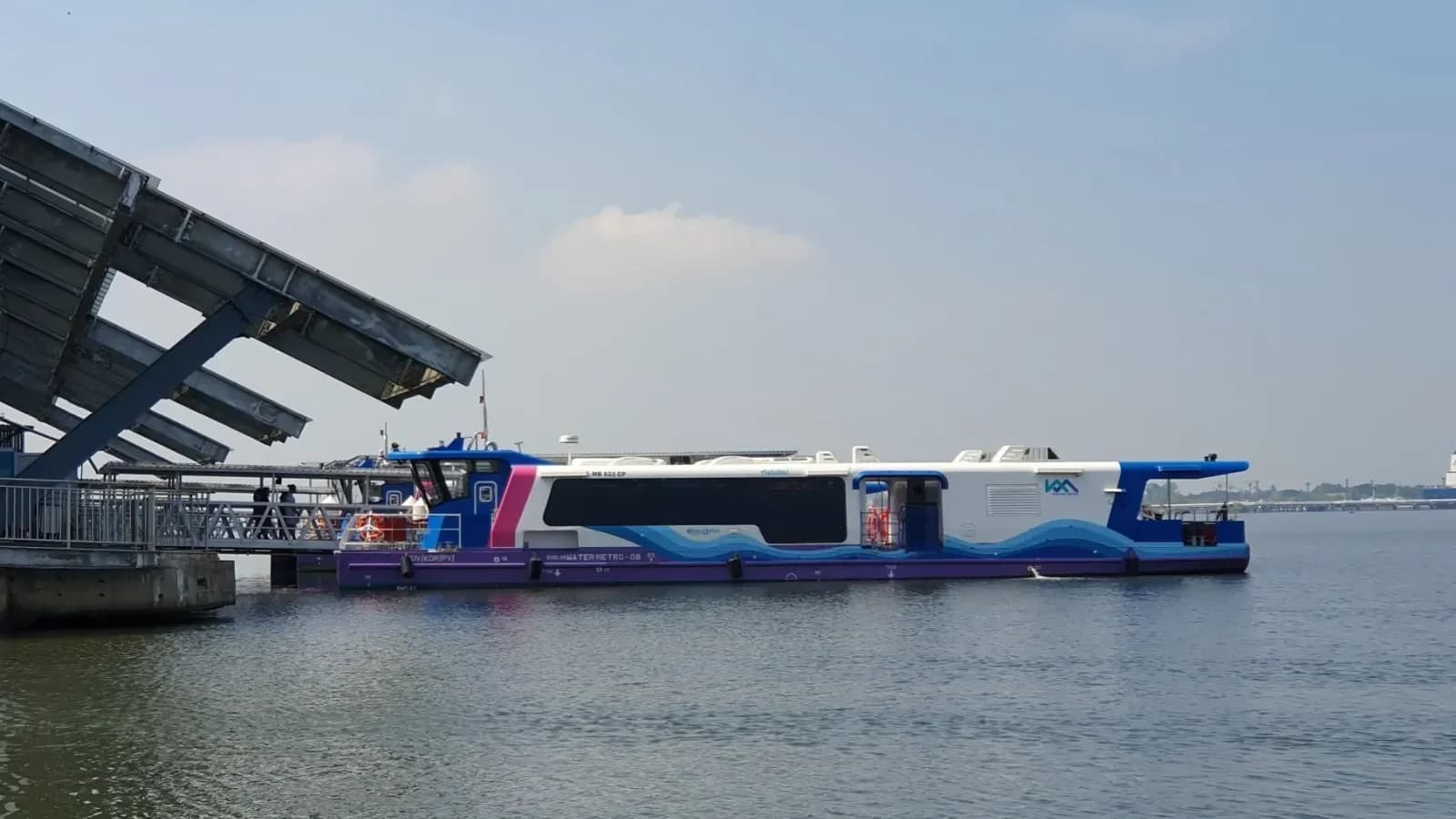
The ministry emphasized that hybrid and electric propulsion systems would be encouraged, along with periodic technology upgrades, as part of the government's push for green transport solutions. According to the ministry, the Inland Waterways Authority of India (IWAI) had roped in Kochi Metro Rail Limited (KMRL) for conducting feasibility studies for 18 cities, covering assessment of existing public transport systems, travel demand estimation, financial and economic viability, and multimodal integration. As per the current status, site visits have been completed for all 18 locations, while draft feasibility reports have been submitted for 17 cities, with the one for Lakshadweep pending. The government is now rushing the national water metro services to push urban water transport solutions across these identified cities.
The ministry stated that feasibility reports for Srinagar, Patna, Guwahati, Varanasi and Ayodhya have already been accepted, as reported by the ministry. Sonowal emphasized that state governments should also be consulted on the draft policy to incorporate their suggestions. The proposed system is envisioned as a mass public transport solution for both daily commuters and tourists, operating across navigable waterways with criteria potentially relaxed in areas where such services can substantially reduce road congestion or improve connectivity to remote regions. The draft policy will also be shared with state governments for consultation, with terminal infrastructure should reflect regional architectural styles and use locally sourced materials where possible.