
Finance Minister Nirmala Sitharaman is set to deliver her record ninth consecutive Union Budget on Sunday, February 1, marking a significant departure from traditional budget presentations. According to government sources, this year's Budget speech will be markedly different from the past 75 years of budget tradition, with Part B of the speech stealing the focus for the first time. Sitharaman will present the budget in paperless form, as done in the last four years, and the presentation will be on Sunday - a first in independent India's history. The government's Economic Survey 2026 tabled on January 29 projects India's economy to expand by 6.8-7.2% in FY27, supported by strong macro fundamentals and regulatory reforms.
With Finance Minister Nirmala Sitharaman set to present Budget 2026 on Sunday, February 1, experts are making a bold appeal for significant infrastructure allocation increases. According to a survey of 29 economists by Bloomberg, they expect the government to raise spending on roads, ports and railways, expand incentive schemes to boost exports, and reform the import-duty regime. The government has led the push for infrastructure capital expenditure through the roads and railways sectors, both of which are expected to receive higher allocations in the budget. However, industry leaders are now urging the government to double the allocation to ₹3 lakh crore to ensure the economy stays on a high-growth trajectory. As per Economic Times, the Budget for FY27 is expected to prioritize capital expenditure, tax stability, job creation, and green transition, while navigating revenue constraints and political undertones ahead of state polls.
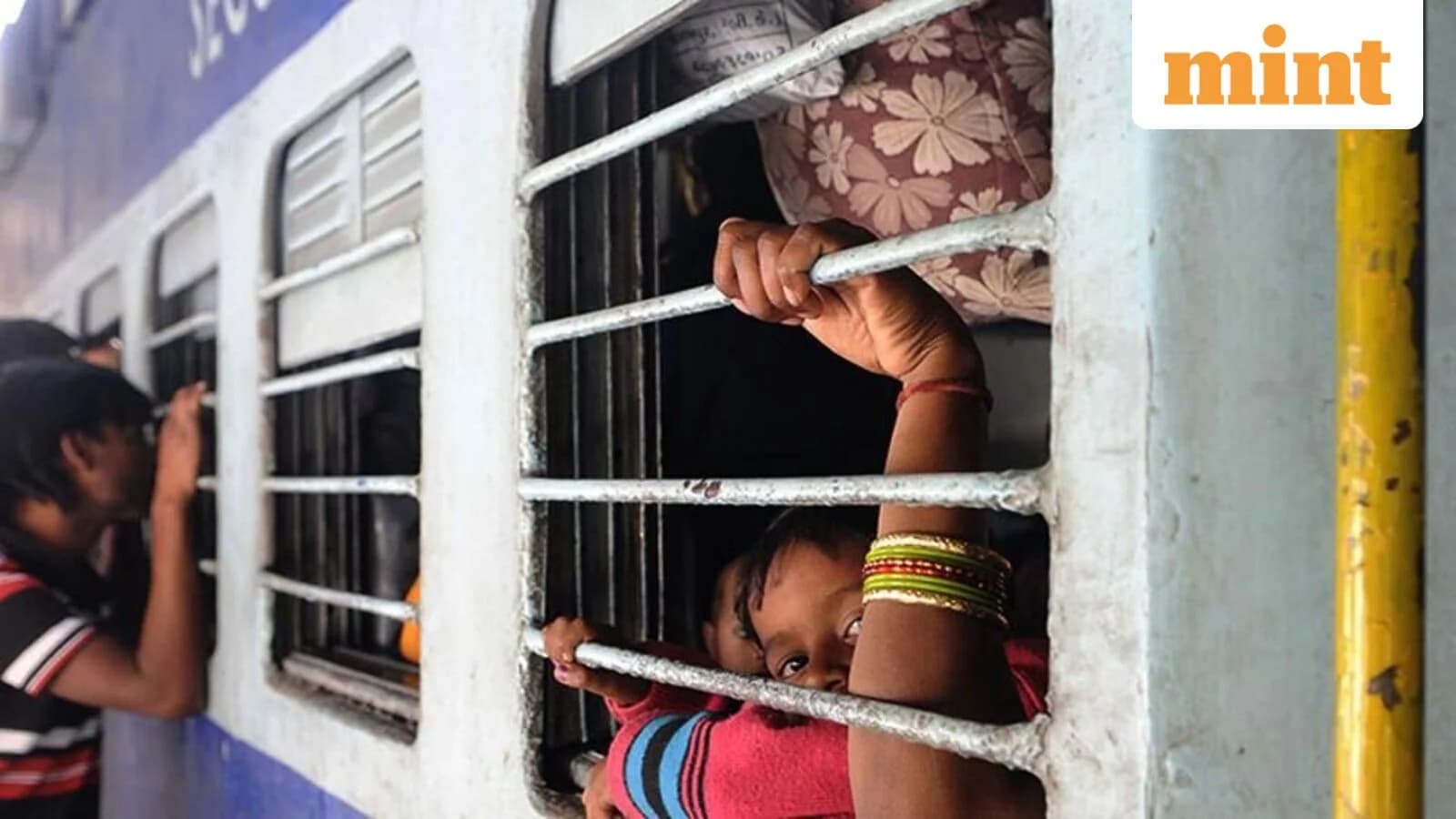
Analysts from Motilal Oswal expect substantial growth in railway capital expenditure for Budget 2026. As reported by Mint, they anticipate 8-10% year-on-year increase in railway capex, which could lead to higher project awarding in the rail and road segments. According to Economic Times, economists expect government capex may cross ₹12 lakh crore in FY27, a YoY growth of around 10%. This projection suggests continued government focus on infrastructure development and modernization initiatives across the railway network. The industry's message is clear: sustained, predictable spending is the key to unlocking India's true economic potential. For FY27, economists expect another meaningful rise in capex, though at a more measured pace compared to the post-pandemic surge.
A refreshing perspective coming from industry experts this year is the shift from "building" to "operating." Kamal Pal Hoda, CEO of Bluspring Enterprises, argues that India's next leap will be defined by how reliably we operate our assets. He urges the government to recognize infrastructure not just as a one-time capital expenditure, but as a long-term operating system where success is measured by: * Compliance and workforce capability. * Real-world outcomes for the citizenry. This strategic approach would provide the stability and predictability that long-cycle projects require, whether through traditional roads and railways or the new frontier of AI-enabled data centers.
The railway sector received substantial allocations in Budget 2025, with ₹4.6 lakh crore for infrastructure development projects and ₹1.16 lakh crore to facilitate safety across the network. According to Vaishnaw, 100 Amrit Bharat, 50 Namo Bharat and 200 Vande Bharat trains will be manufactured in the next two to three years, covering both sleeper and chair car variants. The previous fiscal cycle saw the government allocate ₹1.5 lakh crore specifically for interest-free loans to states to spur capital expenditure. As per Economic Times, railways, renewable energy, power transmission, defence and urban transport are seen as priority areas, with continued support for state-level infrastructure through interest-free loans. Industry leaders believe that doubling this amount will accelerate completion of landmark investments in highways and urban transport, provide states with financial muscle for localized reforms, and support development of smart cities and modern logistics hubs.